The James Museum of Western & Wildlife Art is opening a new exhibition that celebrates a robust gift of lesser-known works by photographer Edward S. Curtis (1868-1952) from collector’s Robb and Susan Hough. While Curtis was quite prolific, creating thousands of photographs throughout his career, the “greatest hits” are the main features seen in exhibitions and shows. Associate curator Caitlin Pendola, with quite the collection at her fingertips, seized the opportunity to explore another side of Curtis’ history.
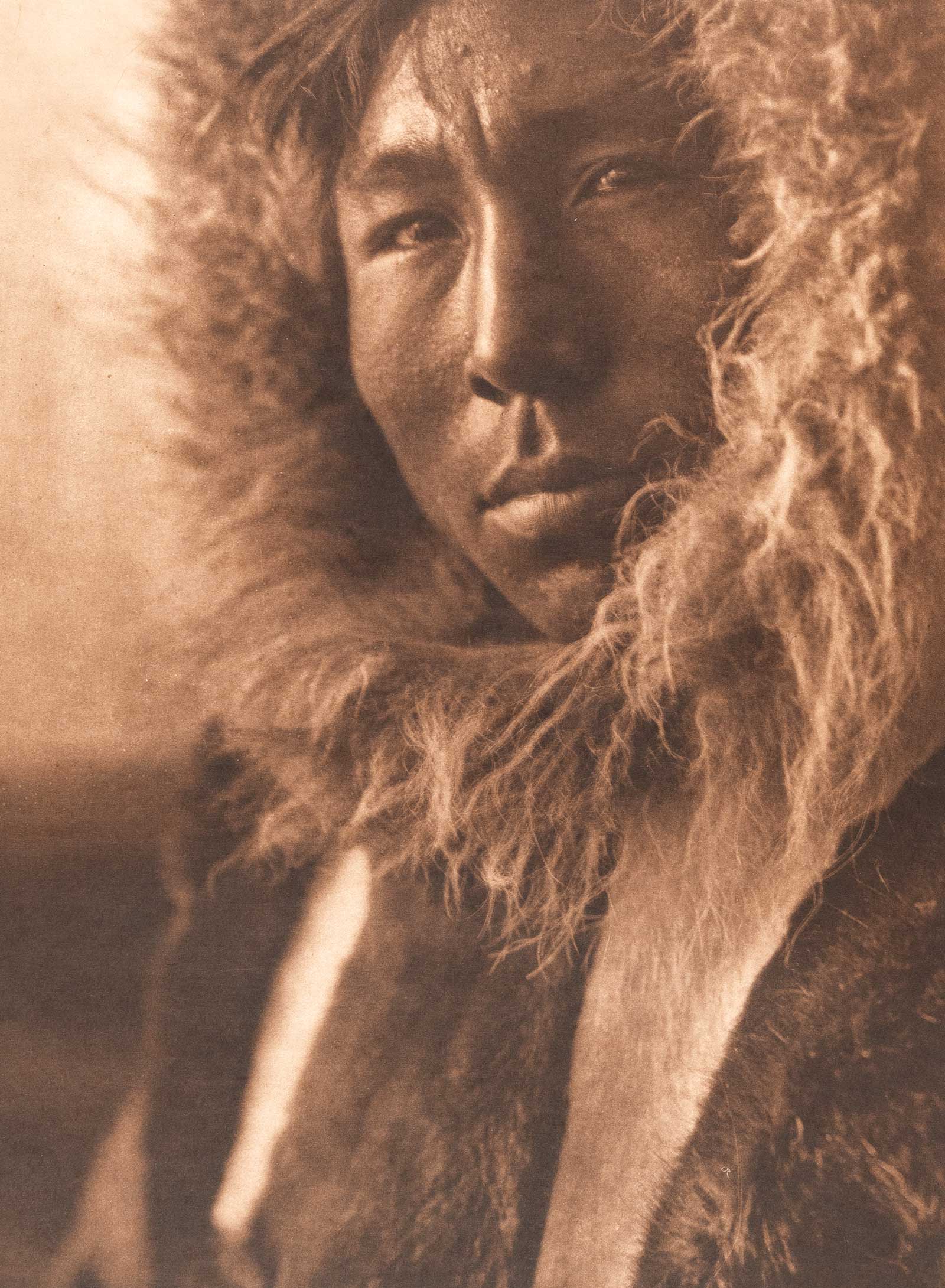
Edward S. Curtis (1868-1952), Jackson, Interpreter at Kotzebue, 1928.
“Curtis devoted over three decades to his monumental project The North American Indian,” Pendola says. “As I delved deeper into his body of work, I began noticing shifts that echoed broader transitions in American art history. His early images are steeped in pictorialism, while the project as a whole aligns with ideals of the American arts and crafts movement. By the 1910s, we see a turn toward modernism and following World War I, his photography begins to reflect characteristics of early American regionalism.”
To underscore this progression, Pendola included works by Curtis’ contemporaries. “Displaying these works in dialogue with Curtis’ photographs will reinforce for visitors that these shifts and visual characteristics were part of a larger movement, situating him as a modern artist of his time,” she adds.
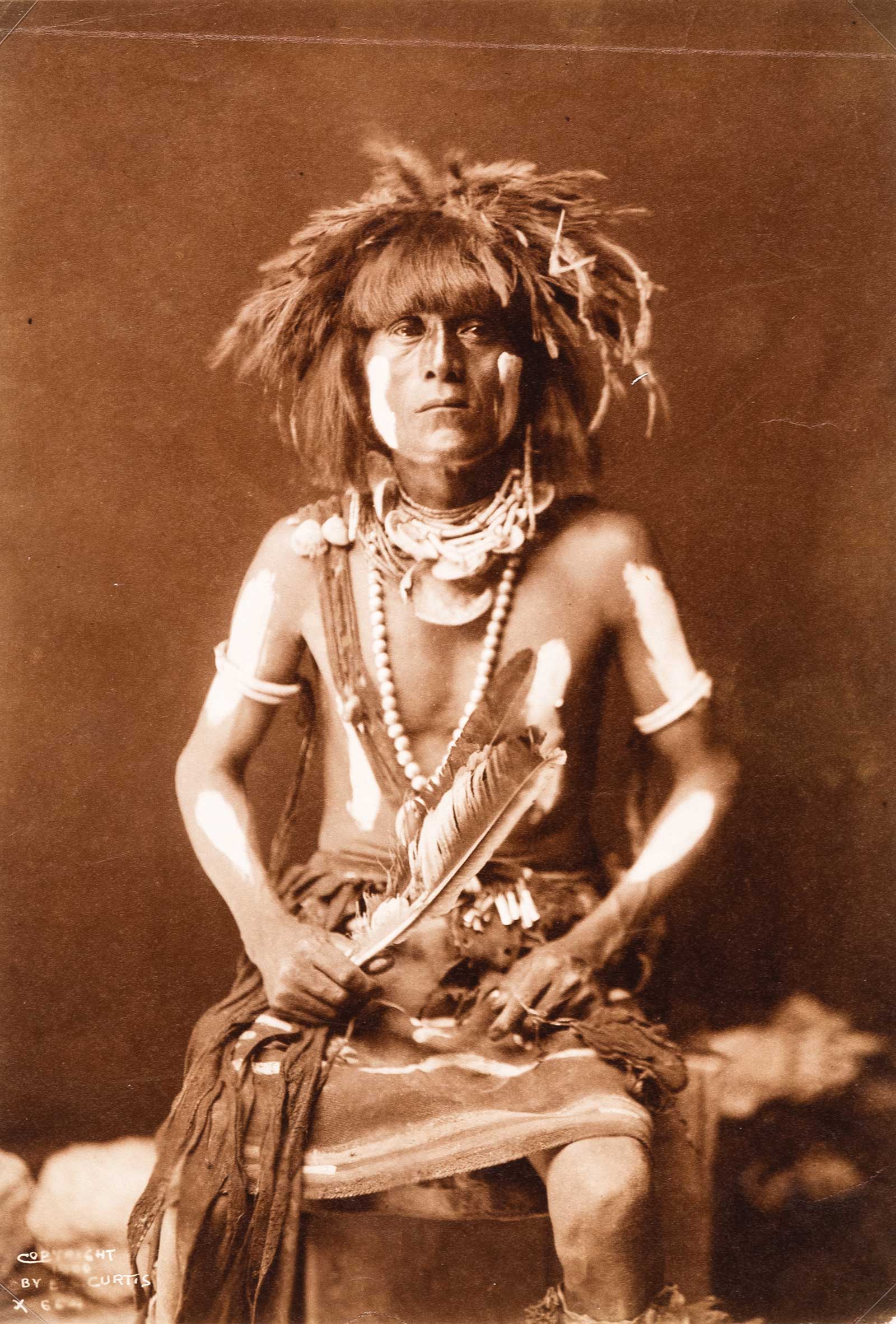
Edward S. Curtis (1868-1952), Hón.ovi - Walpi Snake Priest, with Totókya Day Painting, 1900.
Also important to the exhibition is the installation of 84 portraits—one to represent each tribe Curtis visited and worked with—brought on by Pendola’s profound idea to focus on who Curtis was influence by rather than what influenced him. After painstaking research and collaborations, Pendola has been able to trace names and history of each portrait.
“I didn’t want to present 84 anonymous faces,” says Pendola. “I wanted to emphasize their agency and their roles as active participants in this work. Too often, the individuals in Curtis’ photographs are cast as bystanders or footnotes. I wanted to restore a sense of individuality and honor their contributions.” This remains a living research initiative, extending beyond the exhibition.
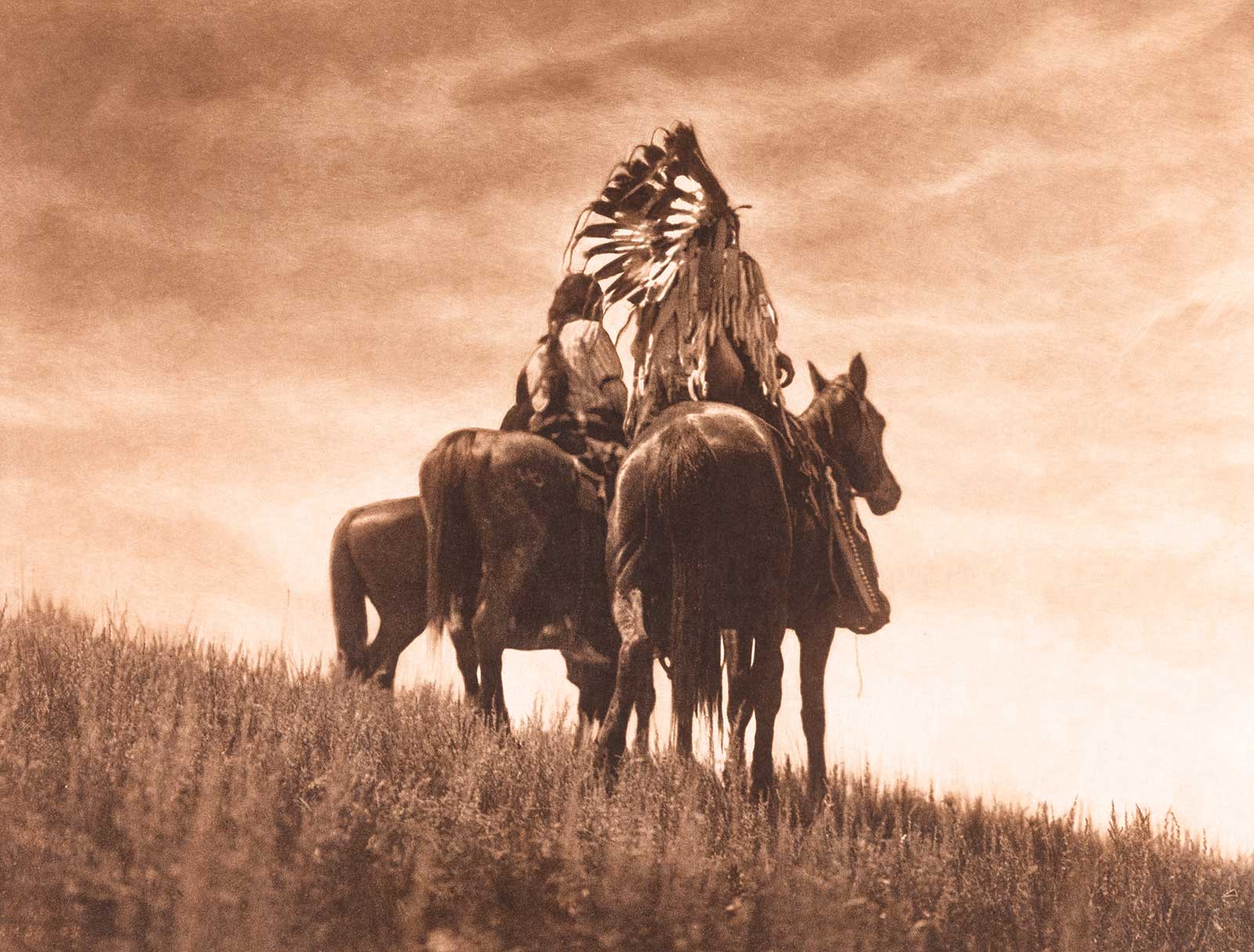
Edward S. Curtis (1868-1952), Cheyenne Warriors, 1905.
A portrait example includes Jackson, Interpreter at Kotzebue, 1928, a stunning composition featuring a local interpreter in Alaska. “At each location Curtis visited, he hired a local interpreter,” Pendola says. “Jackson, the man here, was the interpreter in Kotzebue, Alaska. The interpreters not only translated, but also acted as cultural brokers by helping to establish trust and provide context during interactions between Curtis and Indigenous community members. The role of the interpreter was the most vital within his project.”
A highlight of the exhibition is Hón.ovi - Walpi Snake Priest, with Totókya Day Painting, 1900, which is a portrait scene involving a Hopi Native American man. “Curtis visited the Hopi Pueblo more than any other tribe,” shares Pendola, “and he developed a strong relationship with the tribe over at least a two-decade period. This was one of his earliest photographs, before he even came up with the concept of The North American Indian.This particular print is special because it is a gold-tone print on paper, which is Curtis’s most rare.”
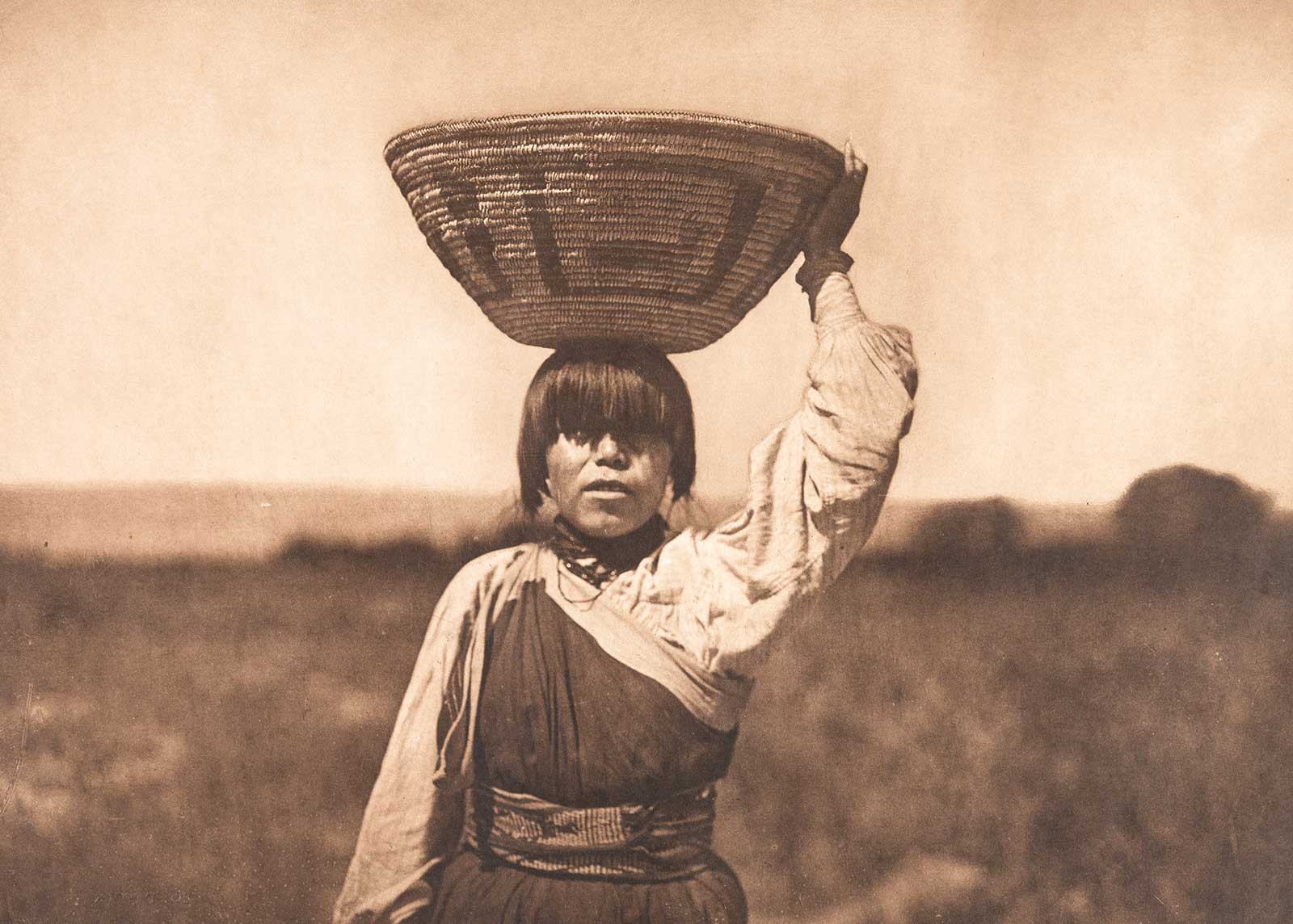
Edward S. Curtis (1868-1952), From the Threshing-Floor – San Juan, 1905.
The exhibition also presents Curtis’ images in the pictorialism and romanticism styles that he was most known, drawing on examples like Cheyenne Warriors, 1905, showing Native American figures on horseback among an ominous landscape.
Pendola’s hope is that the exhibition sparks curiosity about how art reflects broader cultural attitudes. Visit the James Museum through March 29 to see the entirety of the exhibition. —
Edward S. Curtis: Photographer of His Time
Through March 29, 2026
James Museum of Western & Wildlife Art
150 Central Avenue
St. Petersburg, FL 33701
(727) 892-4200
www.thejamesmuseum.org
Powered by Froala Editor


