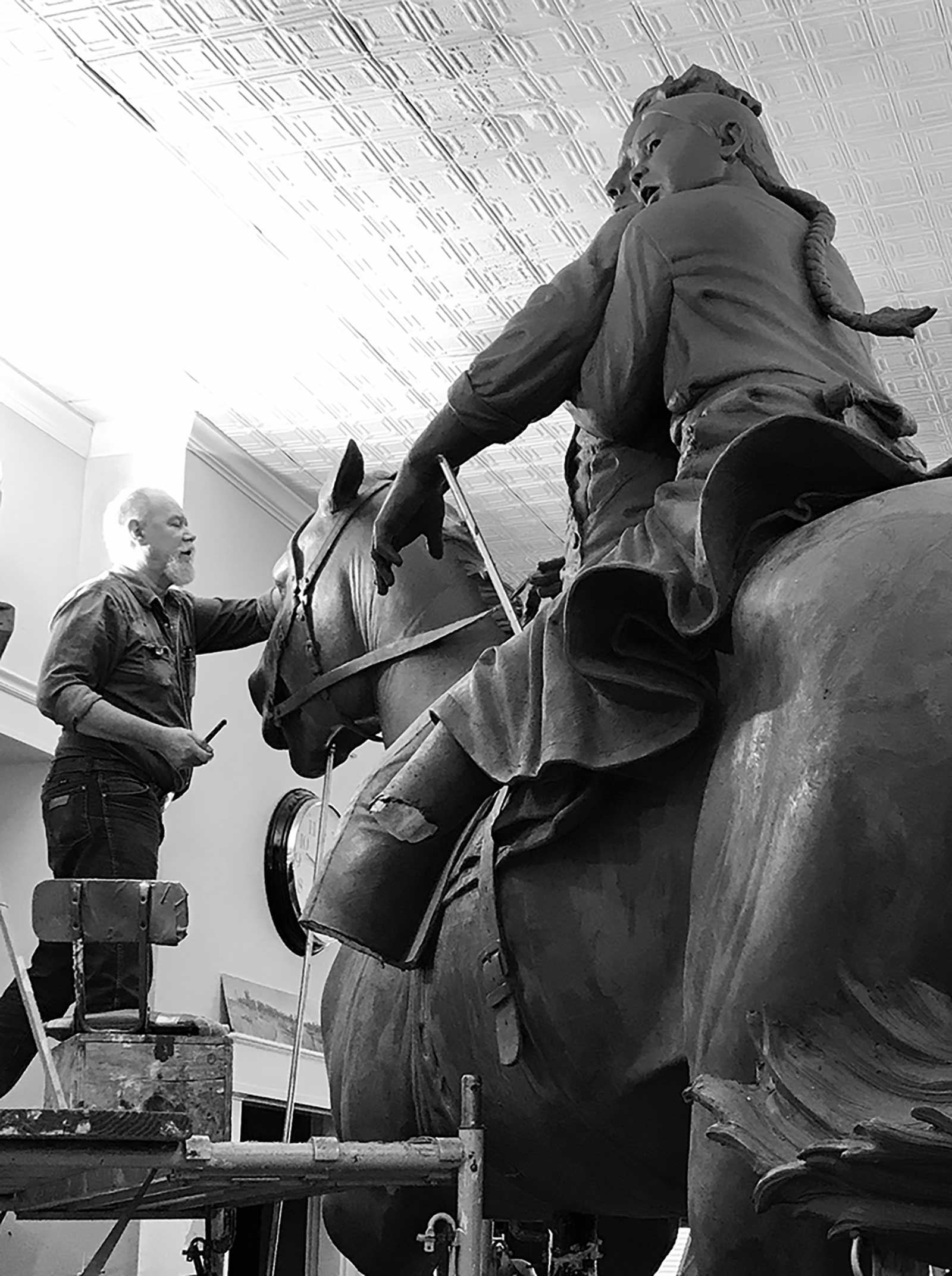
 Paul Moore works on a larger-than-life sculpture in his studio. Photo courtesy of University of Oklahoma and Crown Arts Inc.
The National Sculpture Society to present Paul Moore with top honor
Oklahoma sculptor Paul Moore has been named as the recipient of one of the nation’s most prestigious sculpture awards, the Special Medal of Honor. The award will be presented to Moore this summer by the National Sculpture Society, which has only given the award 45 times in its 127-year history. Moore, an emeritus member of the Cowboy Artists of America, will be the 28th artists to receive the honor, joining artists such as Daniel Chester French, who created the statue of Abraham Lincoln at the Lincoln Memorial in Washington, D.C., and Paul Manship, renowned for his sculpture of Prometheus in New York’s Rockefeller Center. Moore is widely known in the West for his evocative and sensitive portrayals of Native Americans, as well as for his massive 365-foot long Oklahoma Centennial Land Run Monument in Oklahoma.
==============================
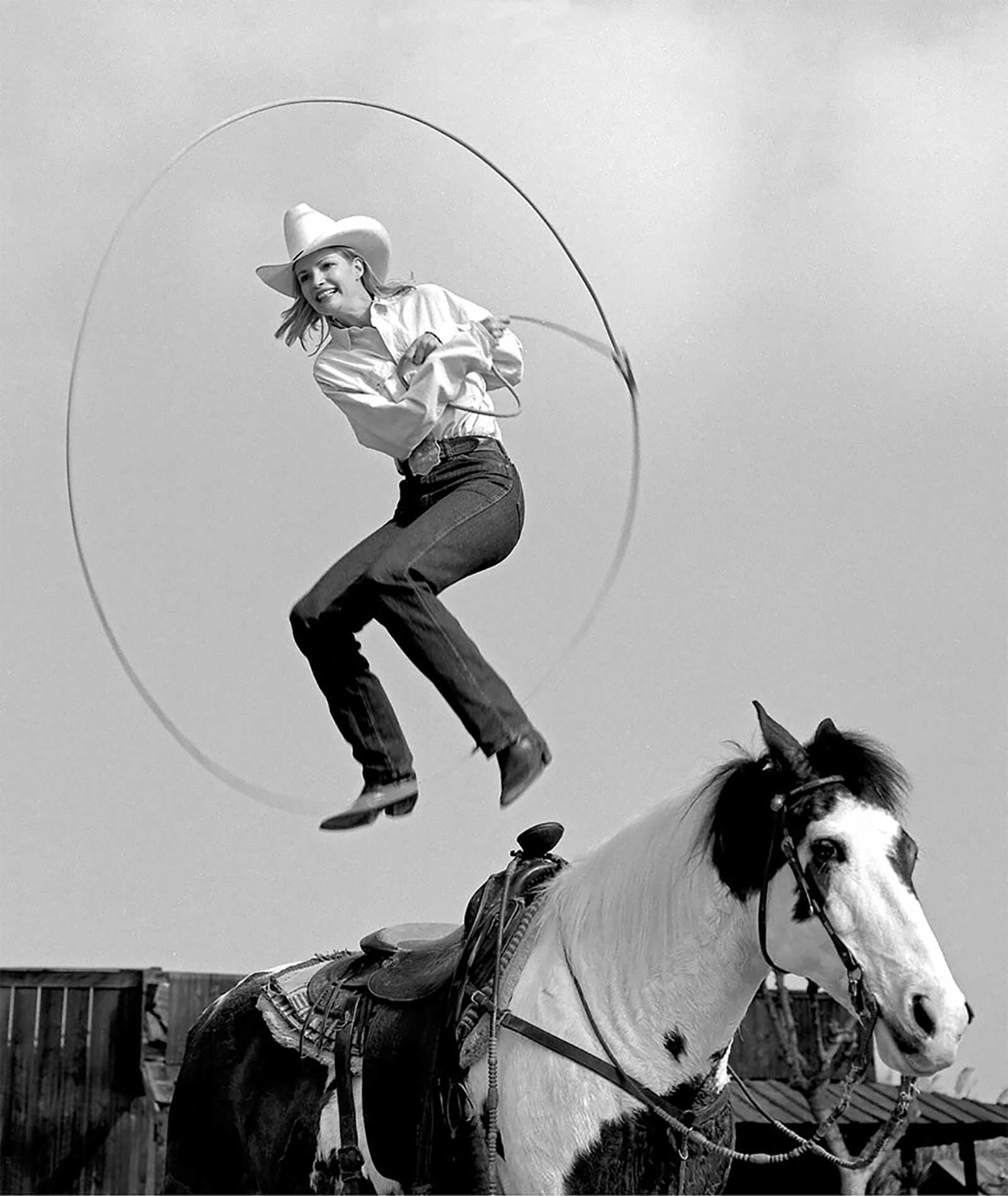 William Shepley, Janna Copley, Riata Ranch, Exeter, California, 1995, silver gelatin print. P.602.023.
William Shepley photography exhibition now on view at the Buffalo Bill Center of the West
Now open at the Buffalo Bill Center of the West in Cody, Wyoming, is The Equestrian West: Photographs by William Shepley. The exhibition, which runs through April 11, features the work of William Shepley, who started documenting Western horsemanship in the 1980s. His passion took him to rodeo arenas, the backcountry of the Sierra Mountains and ranches in cattle country. Images include those of trick rider and roper Janna Copley, who rode with the Riata Ranch Cowboy Girls. “It’s the colorful characters, their personalities and styles, projected on the big screen, the West, that attracts my lens,” Shepley says. The museum’s McCracken Research Library acquired the group of prints that make up the exhibition in 2018.
==============================
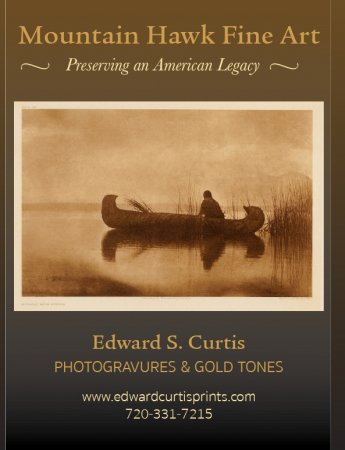
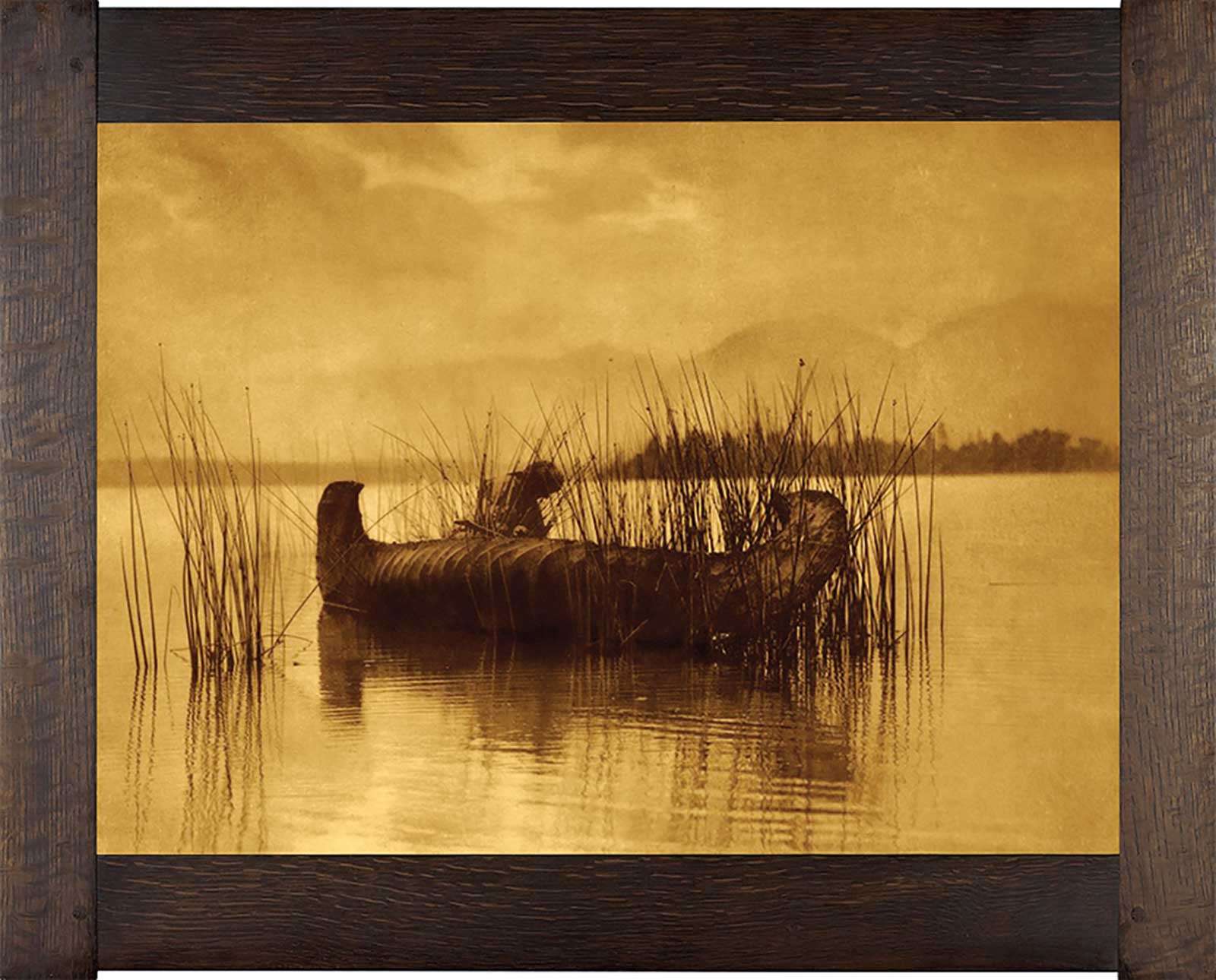 Edward S. Curtis (1868-1952), The Rush Gatherer, goldtone plate
A chance find in a Denver vault has led one printmaker on a fascinating odyssey
In the mid-1990s, Paul Unks was in the special collections vault at the University of Denver’s library when he saw a stack of books that caught his eye. There, gleaming in the dark within the calmness of the vault, was a complete set of Edward S. Curtis’ masterpiece publication The North American Indian.
Later, wearing white gloves in a sealed research room—a complete set is rare and worth as much as $2 million—he was able to open the 20-volume, 20-portfolion set and marvel at the contents. “I remember opening them and just being amazed because I was looking at the best set of these images I had ever seen,” he Unks says. “I was getting emotional and I had to stand back because I was afraid a teardrop would fall onto the photogravures.”
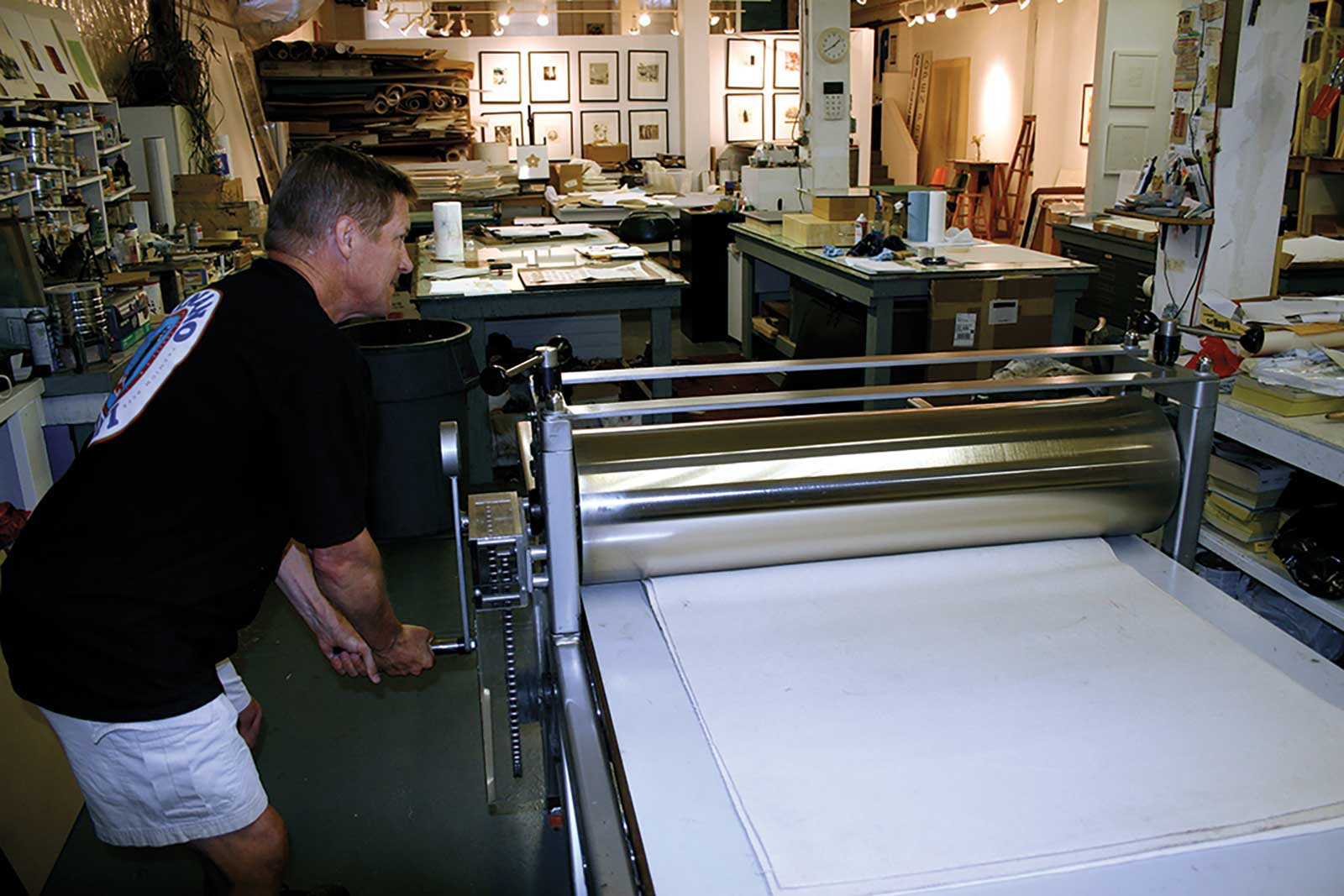
Paul Unks hand-cranking his press at 10,000 psi while he makes photogravures of Edward S. Curtis images.
Curtis’ images inspired him, and in 1999 he received the exclusive rights to reproduce images from photogravures in the University of Denver’s collection. It took him a full seven years to learn Curtis’ photogravure process, and 10 years to learn his goldtone process. Today, he is producing high-quality prints through his Mountain Hawk Fine Art. His prints are contemporary prints, but they are as authentic to Curtis’ original process as possible and Unks has spared no expense with his photography and printing equipment. He’s offering 100 masterwork images, each in editions of 250, a number he came to after learning Curtis intended to do 500 sets, but only made it halfway through.
“Curtis was compelled by a vision of a vanishing race. And at the time there was a serious genocidal attempt to wipe them out—even with strategies, tactics and bounties,” Unks says. “Thankfully, through Curtis’ eyes and lens he forced people to see them not as savages or to be looked down upon, but to be respected and treated with dignity.”
Learn more about Mountain Hawk Fine Art visit
www.edwardcurtisprints.com.
==============================
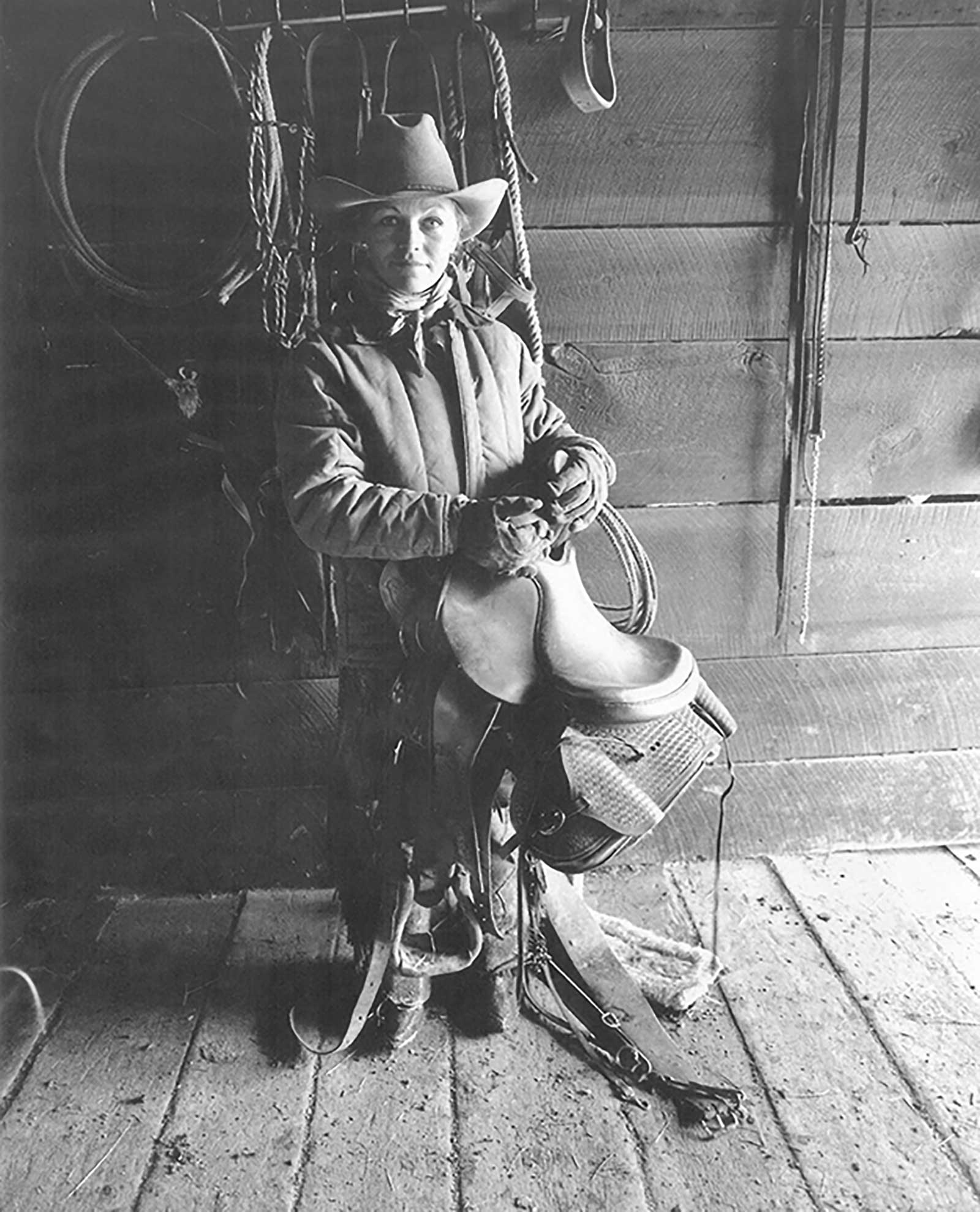 Barbara Van Cleve, Melody Harding, Bar Cross Ranch, WY, 37 x 27”. © 1995 Barbara Van Cleve. Image courtesy of the National Cowgirl Museum and Hall of Fame, Fort Worth, Texas.
A new exhibition featuring photographs of ranch women is now open at the Eiteljorg Museum
Now open at the Eiteljorg Museum in Indianapolis is Hard Twist: Western Ranch Women, a photography exhibition featuring the work of photographer Barbara Van Cleve, who pointed her camera at the resilience of women ranchers throughout the West. The exhibition, which runs through April 25, features 62 black-and-white photographs. Van Cleve is a Montana rancher who grew up with firsthand experience of cowgirl life, pursued a second career in documentary photography after retiring from a career in academia. Inspired by her mother, Van Cleve spent much of 1986 through 1994 traveling the Rocky Mountain West on horseback, gathering images and interviews from women of the West in their natural elements. For more information about the show, visit
www.eiteljorg.org.
Powered by Froala Editor