Shawn Gould grew up in Iowa, exploring its streams and woodlands and developing a love for nature. He observed the reality of his environment and used it as a springboard for his imagination. He began his career as an illustrator having studied biological illustration, and created award winning works for clients including National Geographic Society, Smithsonian Institute and National Audubon Society. After 10 years he began to devote his time to painting. He now lives in California.
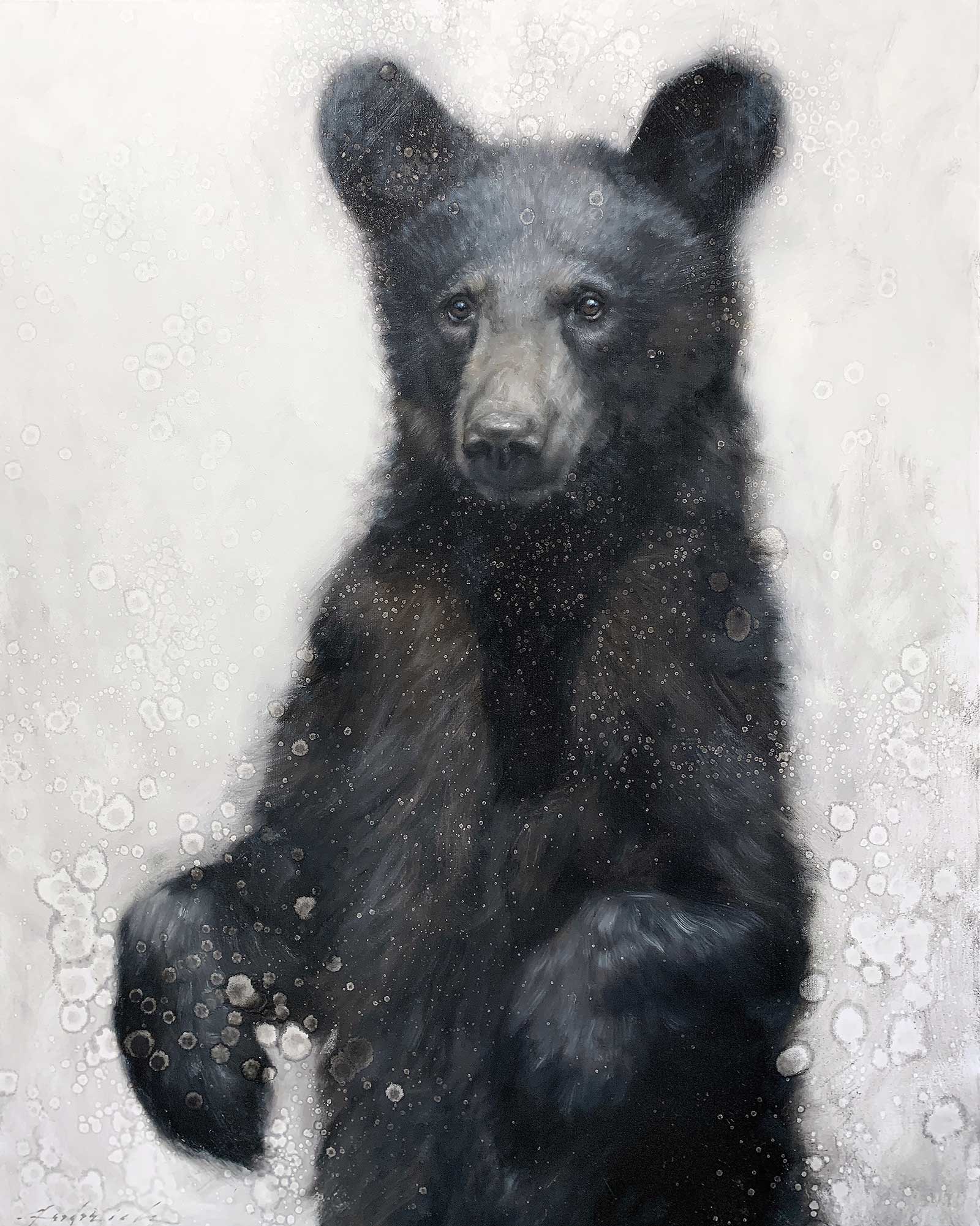 Manitou Galleries, The Lookout, oil on canvas, 50 x 40", by David RileyGould paints in acrylic, building up layers on gesso board. His compositions are dynamic as in Lifeblood of the River. The bear occupies the upper left quadrant and a line descends diagonally from his nose along one raven and ends in a vertical raven in the lower right. He attains a sense of depth in the foreground details against a darker, softer background of trees and vegetation.
The bear protects his catch and lets the center raven know that it is his and his alone. The Cornel Lab of Ornithology states amusingly, “Common Ravens will eat almost anything they can get hold of.” If they’re lucky, they’ll get a few scraps of salmon when the bear is finished.
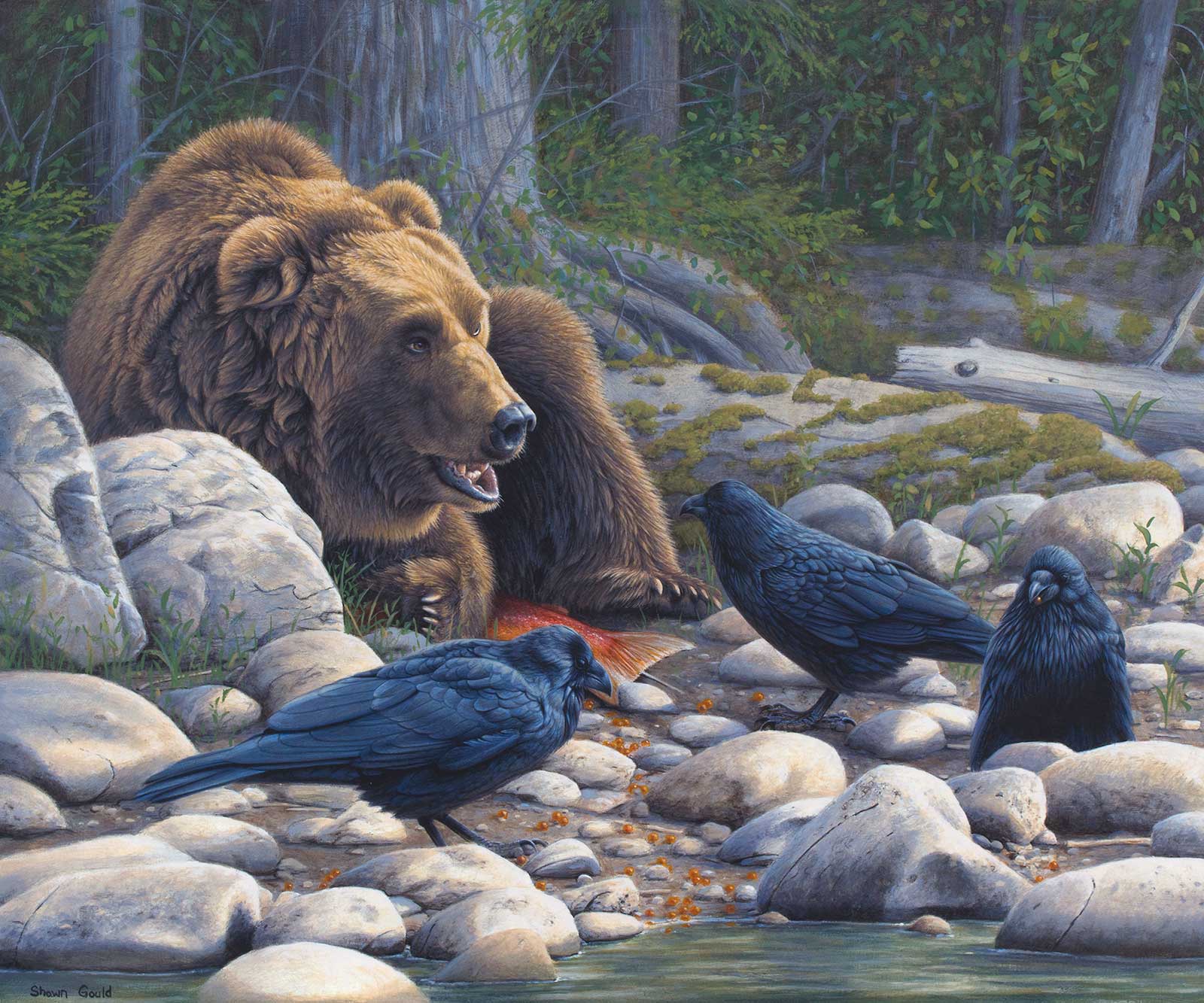 Trailside Galleries, Lifeblood of the River, acrylic on board, 20 x 24", by Shawn Gould.
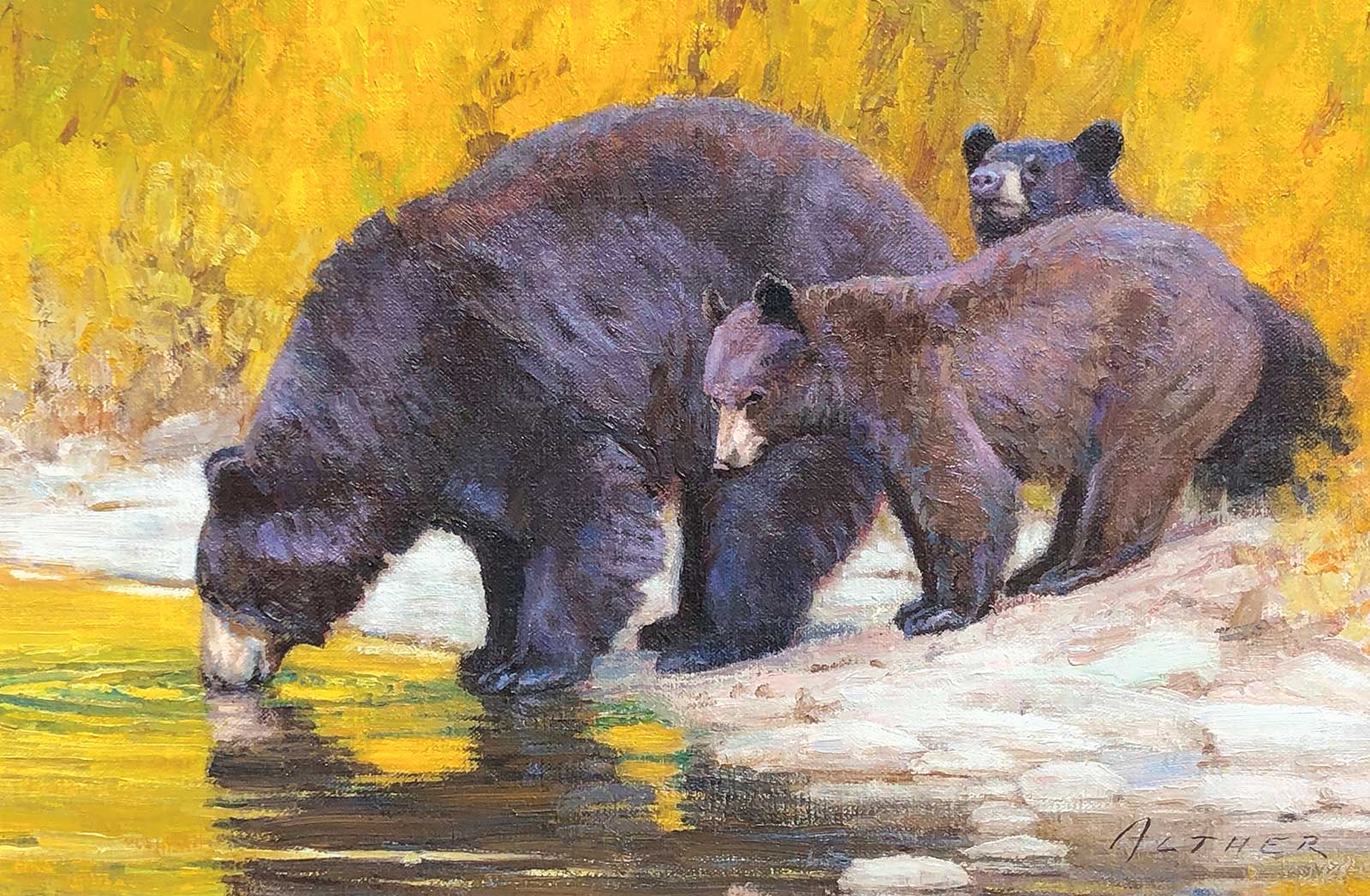 Legacy Gallery, Liquid Gold, oil, 10 15", by William Alther.
William Alther grew up in West Texas, and studied wildlife biology in college. He worked in the zoology department at the Denver Museum of Nature & Science for 13 years. He painted throughout his career and in 2004, he began painting full time. He says, “I do enjoy painting other things but animals and landscapes just seem to dominate my attention. Perhaps the best part is the field work. Whether it’s getting outside for a couple of hours or going on extended trips,
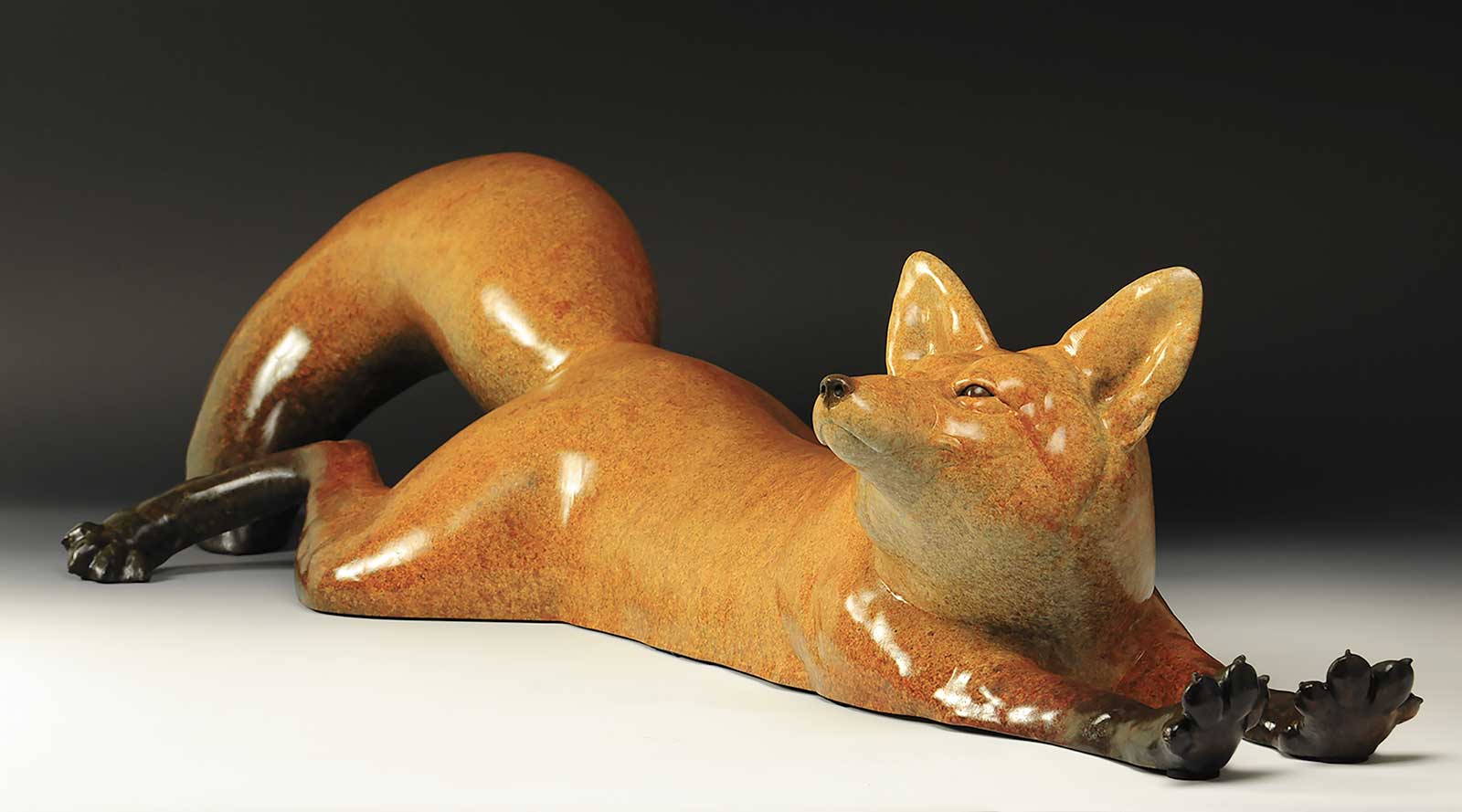 Jeremy Bradshaw, Red’s Reach, 45 x 14 x 9"
I thoroughly enjoy the exploring, observation, photography, sketching and outdoor painting that are essential parts of the process to produce paintings.”
Liquid Gold is the result of his biological knowledge, his careful observation and his love for his subjects. A bear drinks from the river while her relentlessly curious and distracted cubs hesitate and look around. The preponderance of yellow might bring to mind the golden hour of dusk, but the rocks and sand of the bank are their sunlit color. The turning leaves reflected in the water create an envelope of gold.
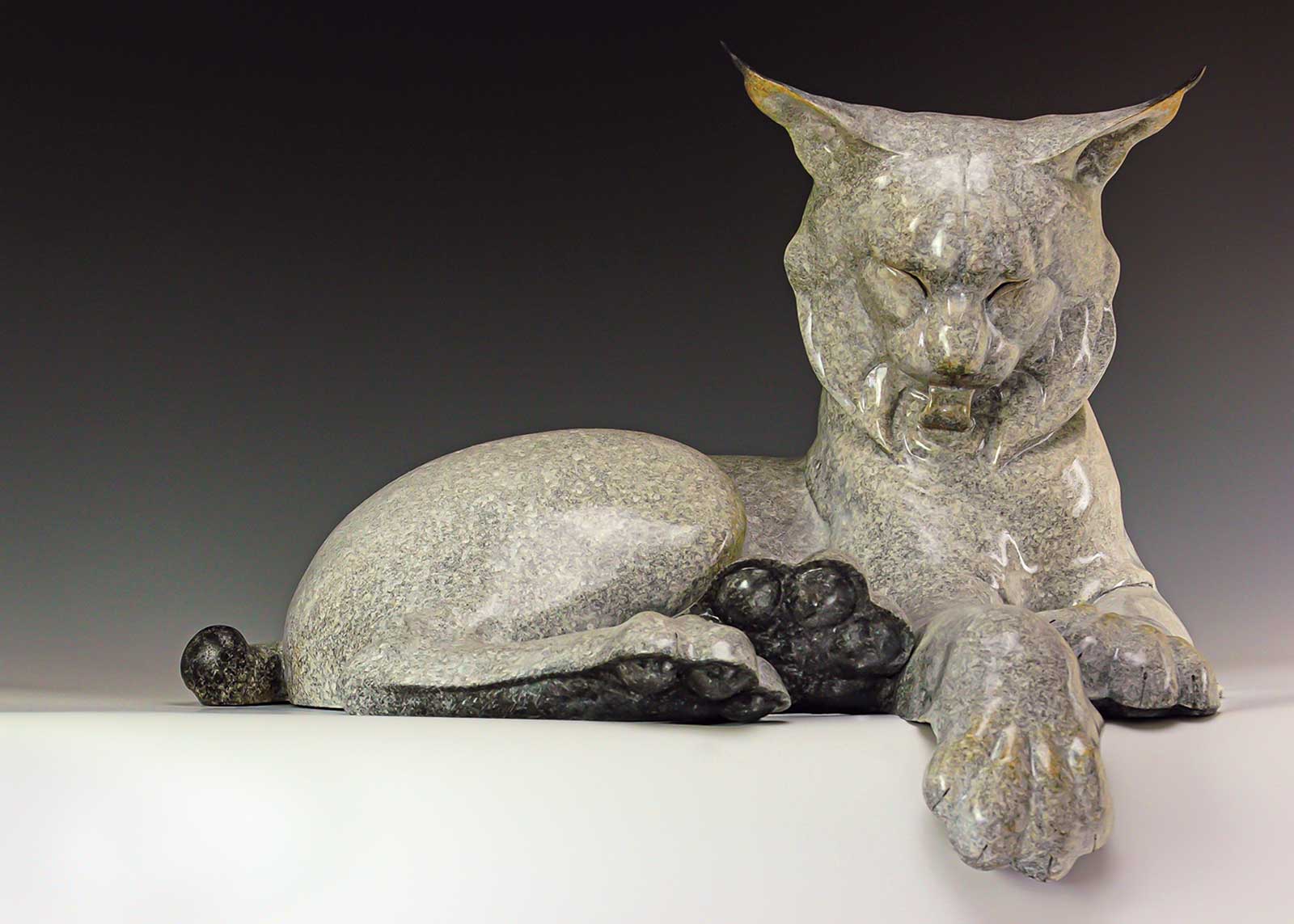 Jeremy Bradshaw, Lickety Lynx, bronze, 26 x 22 x 19"
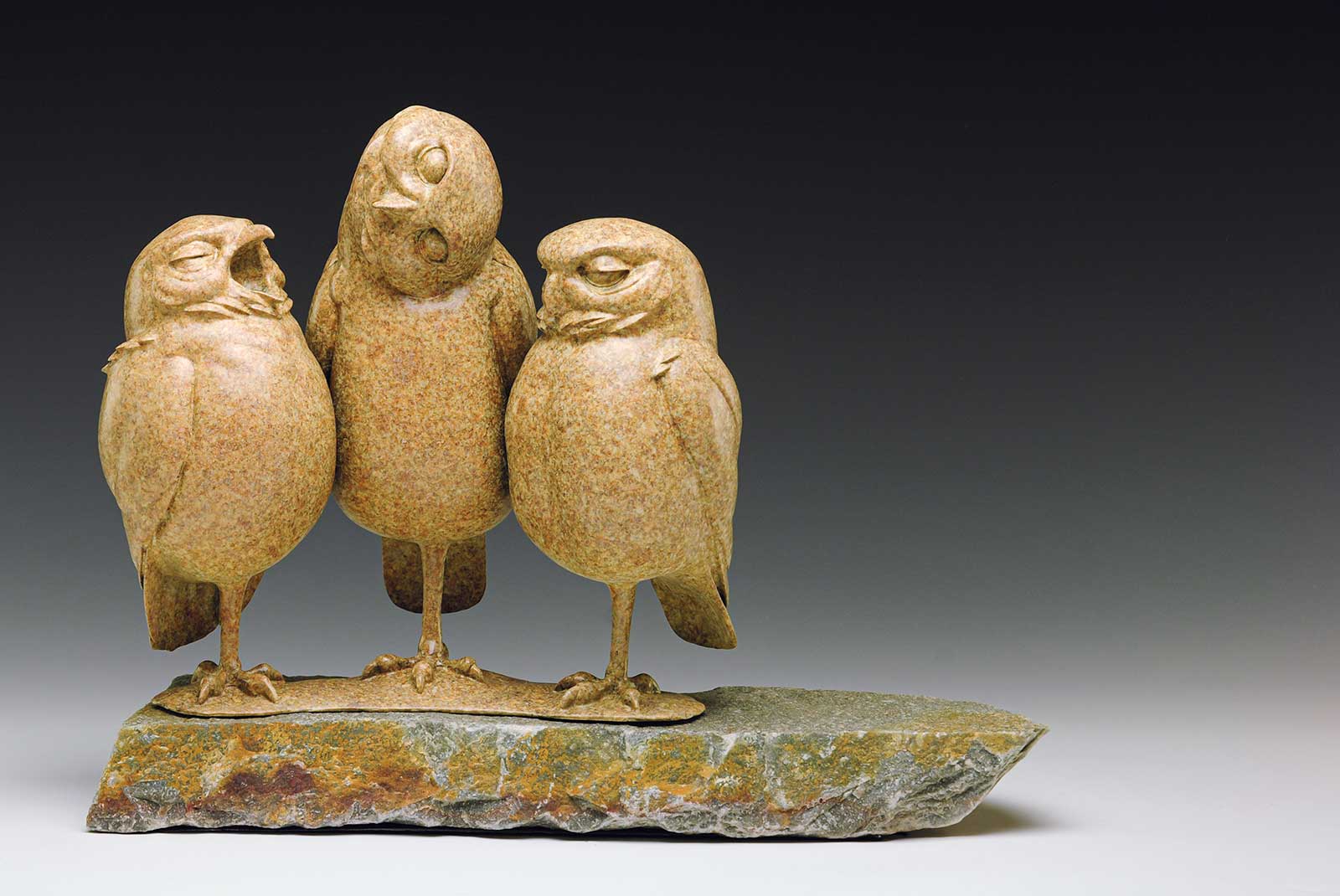 Jeremy Bradshaw, Tres Amigos, bronze, 19 x 6 x 12"
The painters allow us to infer human qualities in the bears and ravens and, perhaps, to recognize their qualities in ourselves.
Continuing reading this special section dedicated to wildlife art, and discover a beautiful mix of contemporary and traditional paintings and sculpture. Artists, galleries, museums and special events discuss their inspiration and give quality tips for those who wish to add to their art collection.
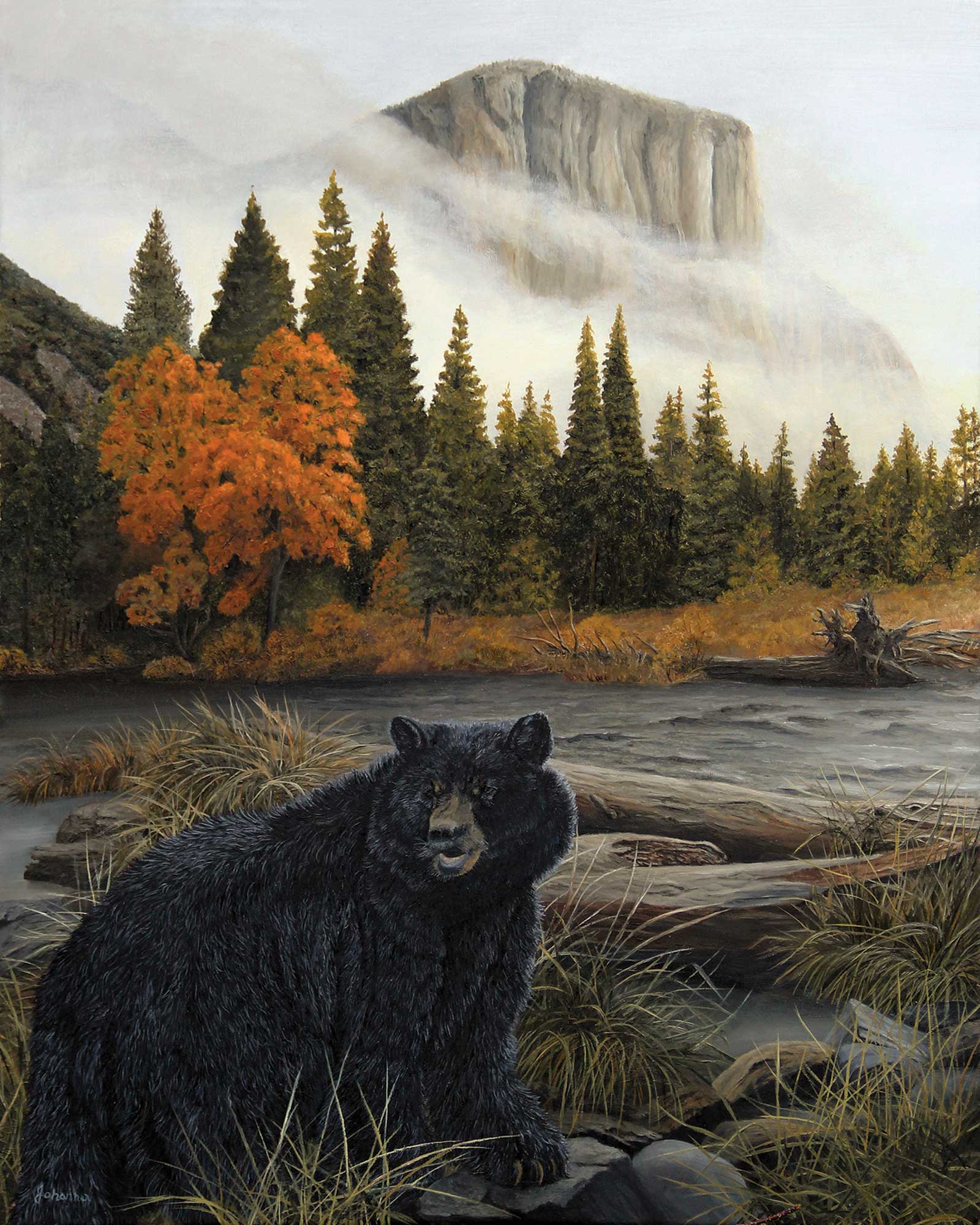 Johanna Lerwick, Yosemite Valley – Black Bear, oil on linen, 30 x 24"
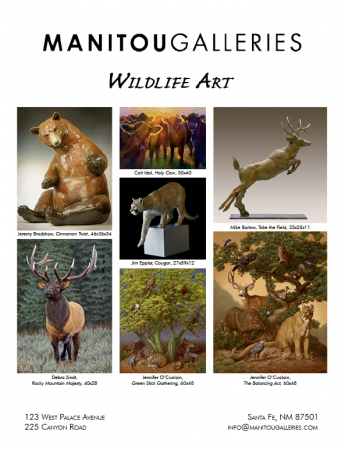
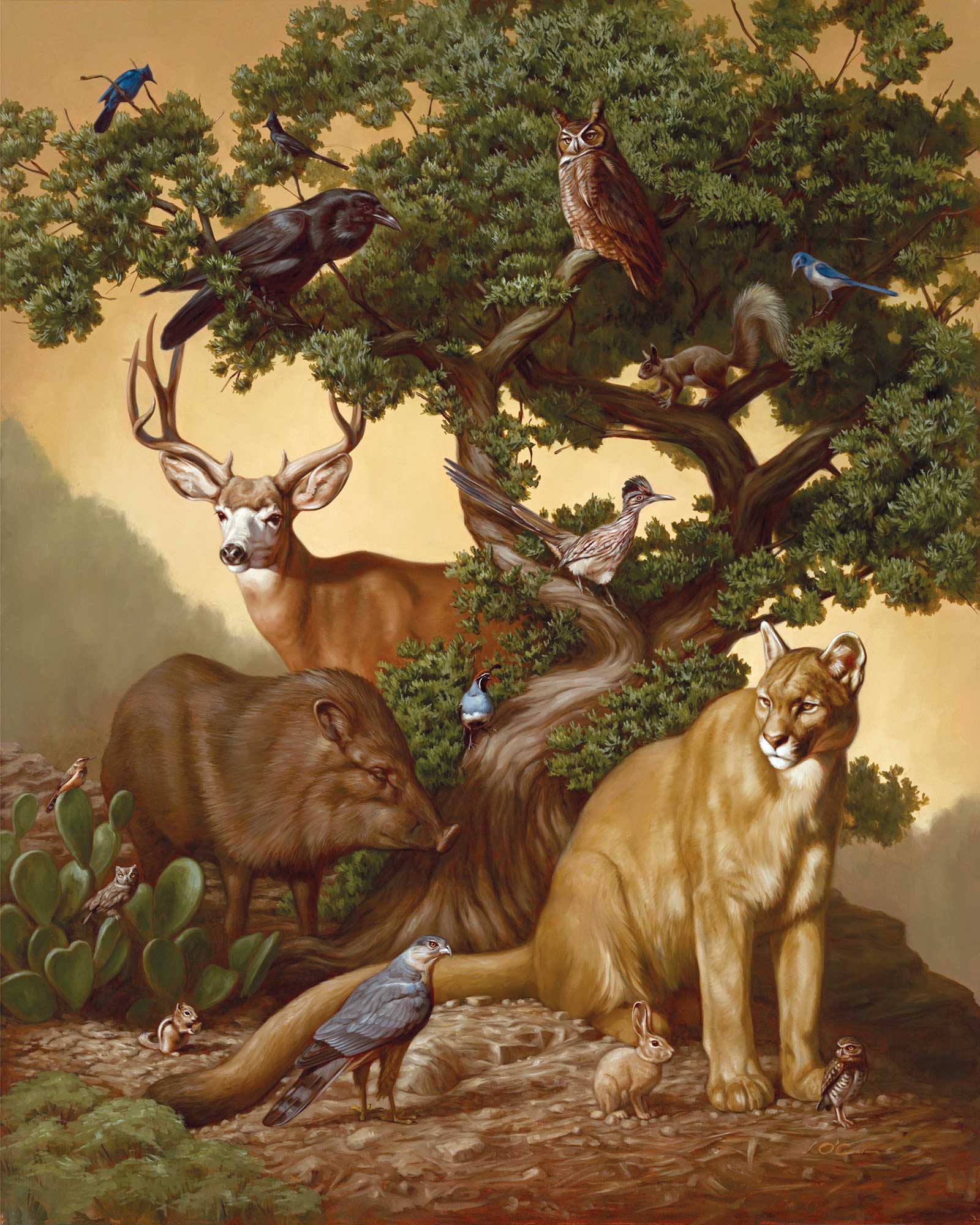 Manitou Galleries, The Balancing Act, oil on canvas, 60 x 48", by Jennifer O’Cualain.
Many artists, including Jeremy Bradshaw, have been fascinated with wildlife and animals since childhood. “Growing up in rural, central California, I was early surrounded by the chickens, rabbits and cows at my grandparents’ farm,” says Bradshaw. While working, exploring, backpacking and fly-fishing in the Sierra Nevada mountains, my natural curiosity and interest in animals and wildlife continued to increase.”
Bradshaw’s subsequent pursuit of falconry led him to live in many parts of the Western United States, from the Oklahoma panhandle to the state of Washington, where he now resides. He adds, “My sculptures come to life because they reflect an artist’s life authentically committed to the natural world.”
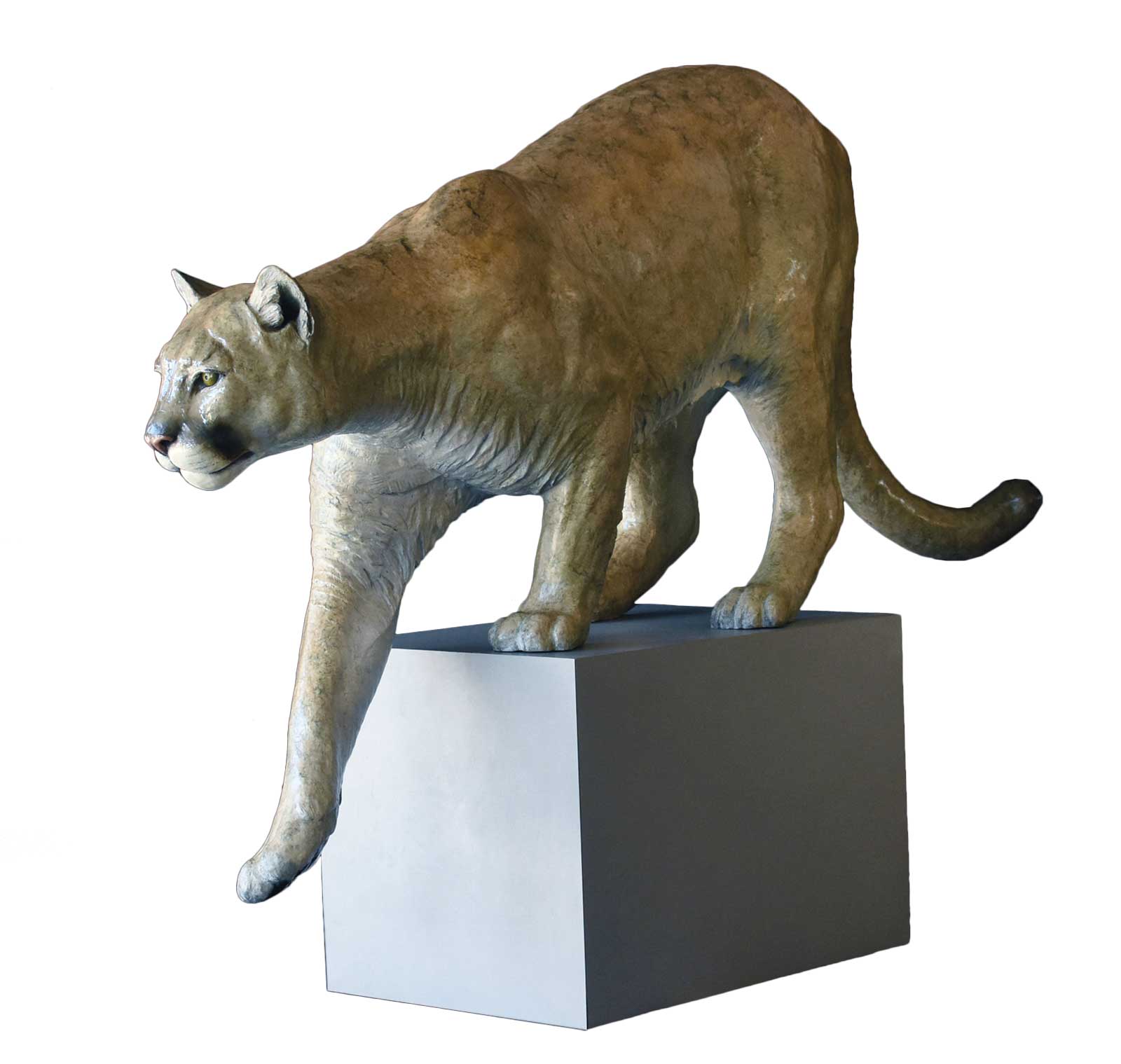 Manitou Galleries, Cougar, bronze, ed. of 21, 27 x 59 x 12", by Jim Eppler.
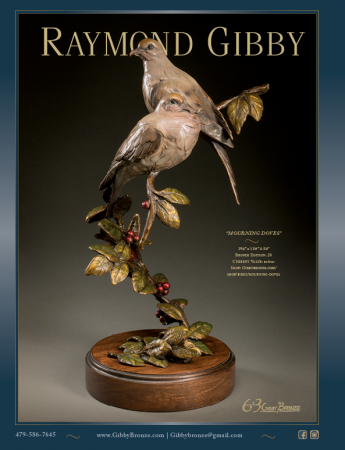
Seeing wildlife and the natural world has brought Raymond Gibby such great joy. “It is something that just seems to fill my soul in ways that I can’t fully express,” he says. “The beautiful and intricate way that each animal is designed to thrive in the wild is so inspiring. I feel privileged to just be a humble observer of the masterpiece laid before my eyes to gaze upon.” Gibby’s greatest wish is that his work will in some way honor the divine creations that have given so much to him throughout his life.
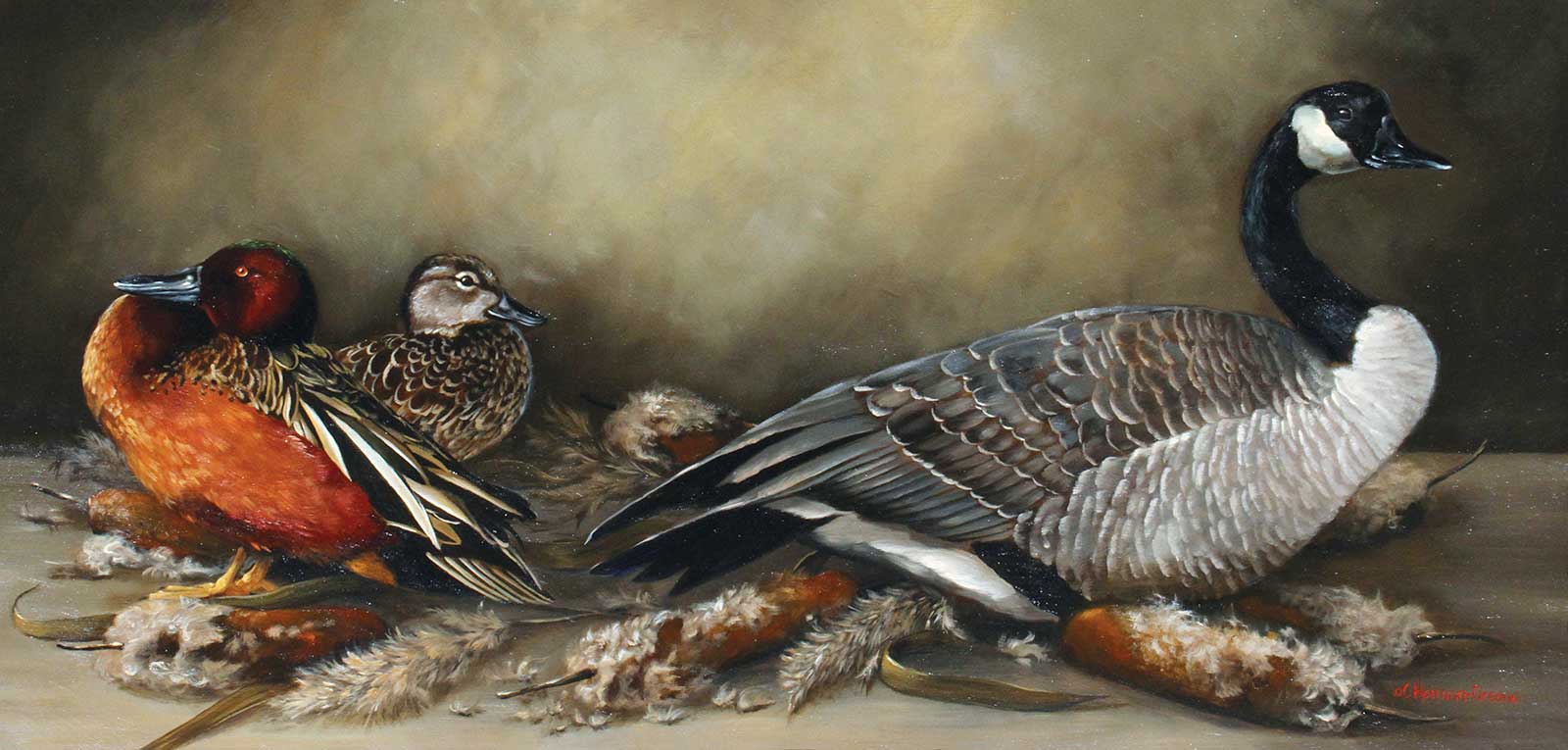 Southeastern Wildlife Exposition, Duck, Duck, Goose, oil on claybord, 12 x 24", by Carol Heiman Greene
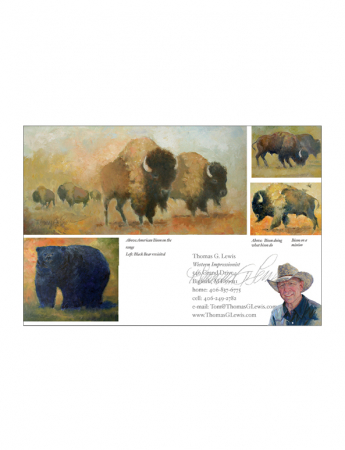
Another avid lover of the outdoors, Thomas G. Lewis primarily focuses on the wild lands of the American West, where he was born and raised. “When I first discovered Tom Lewis’ paintings in a local gallery,” says collector Jill Ashley, “I was initially lured by the artist’s delicious medley of colors loosely brushed with minimal but sufficient detail…His paintings unveil and masterfully deliver the aesthetic splendors of ordinary western life. His art imbues quiet respect rendering significance to ordinarily unnoticed subjects and activities.
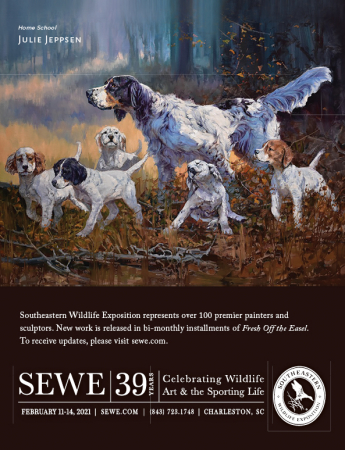
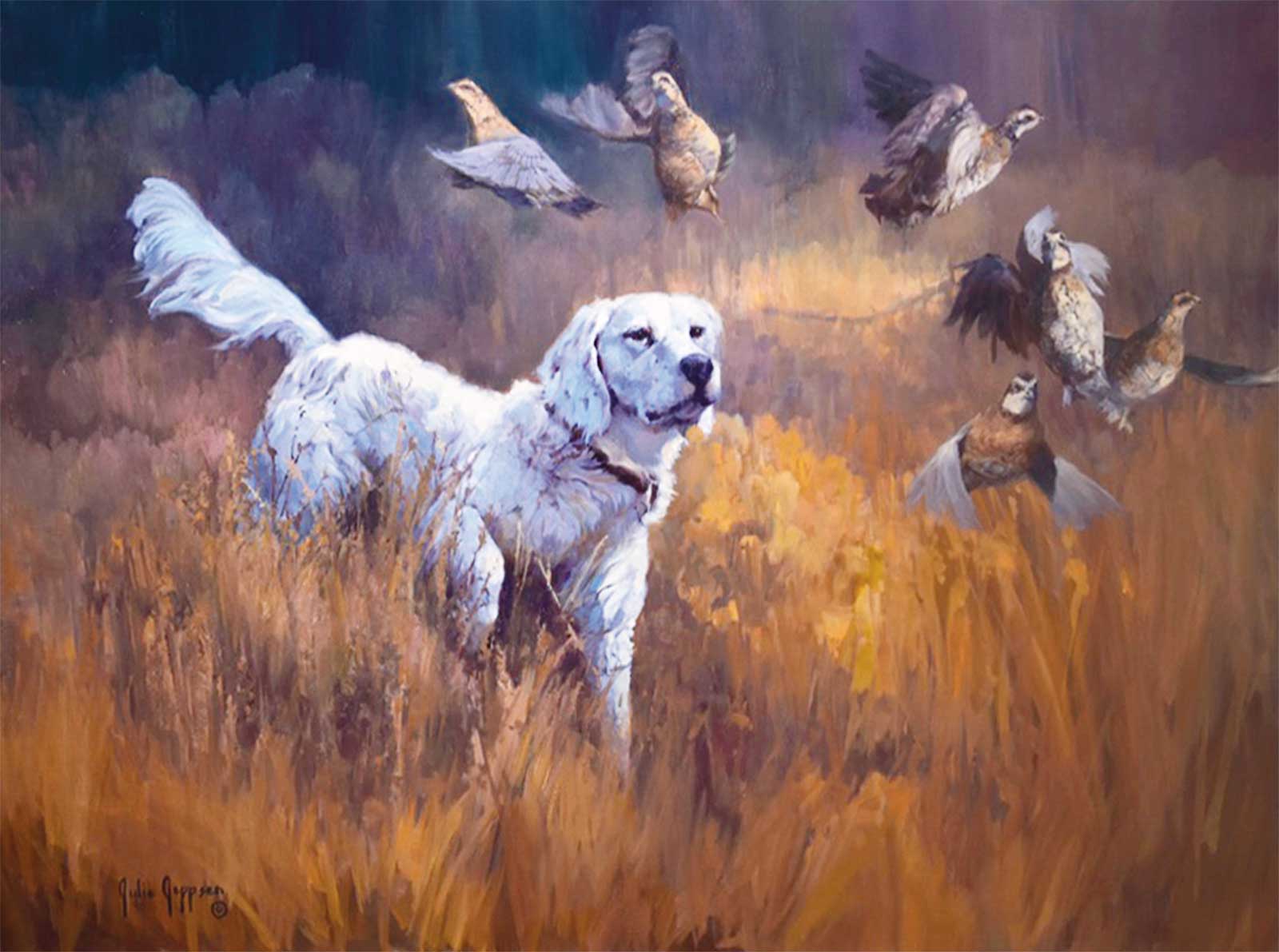 Southeastern Wildlife Exposition, Setter Flush, oil on canvas, 30 x 40", by Julie Jeppsen.
Johanna Lerwick captures the viewers’ attention in Yosemite Valley - Black Bear, and hopes they can put themselves within the scene. “With the closing of national parks and most all of us locked in this spring,” Lerwick says, “the wildlife has enjoyed the freedom of no people. I was struck with an article I read about the Yosemite National Park closure, when Ranger Katie stated, ‘For the most part, I think the bears are having a party.’ That statement was my inspiration for Yosemite Valley – Black Bear.”
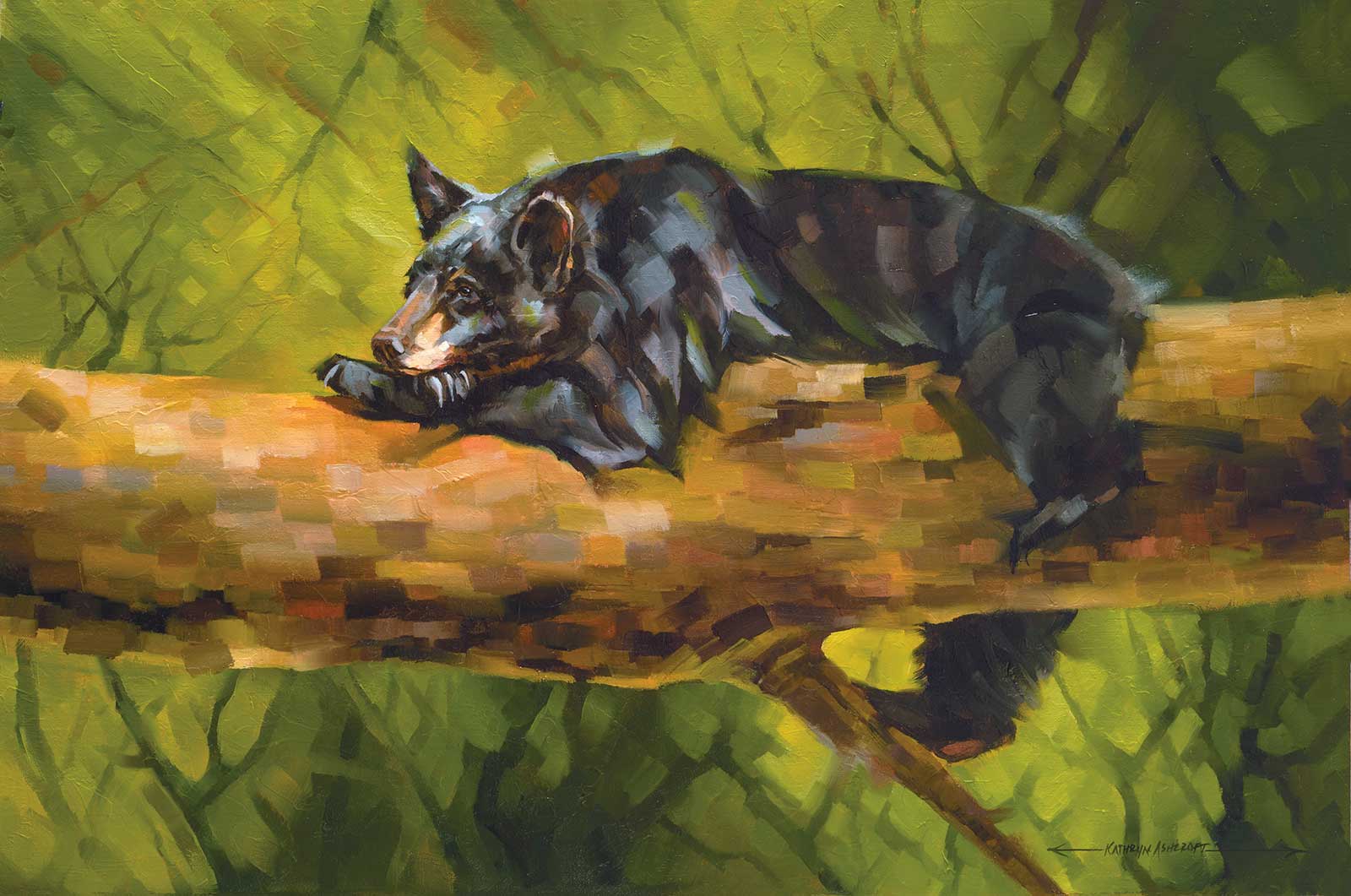 Southeastern Wildlife Exposition, Daydream Believer, 20 x 30", by Kathryn Ashcroft.
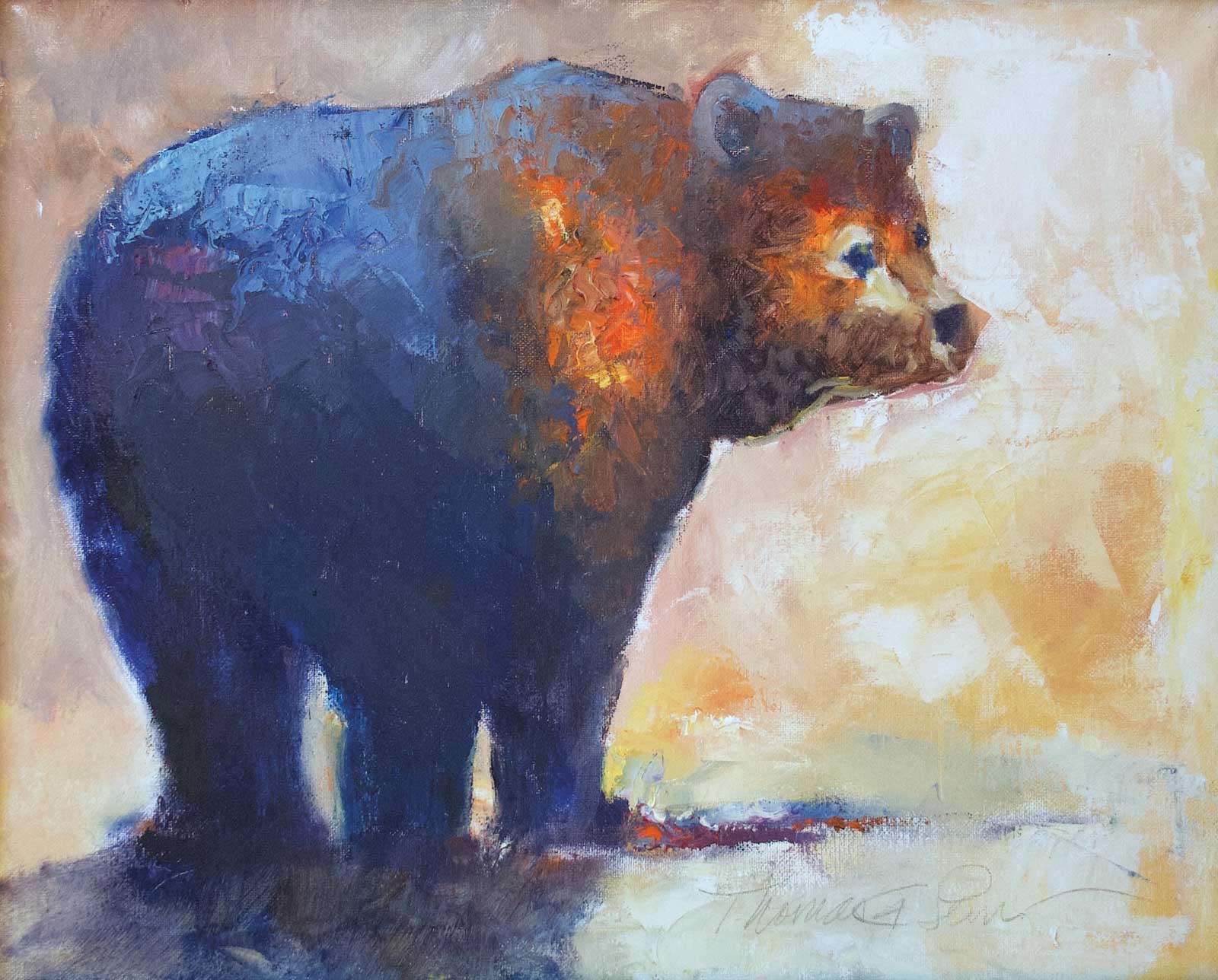 Thomas G. Lewis, Silvertip Cub, oil on canvas, 16 x 20"
Wildlife art has remained an integral piece of the Western art business, and it’s celebrated thoroughly by Manitou Galleries, with two locations in Santa Fe, New Mexico. “Our relationship with our environment and our appreciation of our interconnection with wildlife and nature is documented in these artists works,” says Cyndi Hall, associate director at Manitou. “We also have a responsibility to our communities to show wildlife art to encourage conservation and education.”
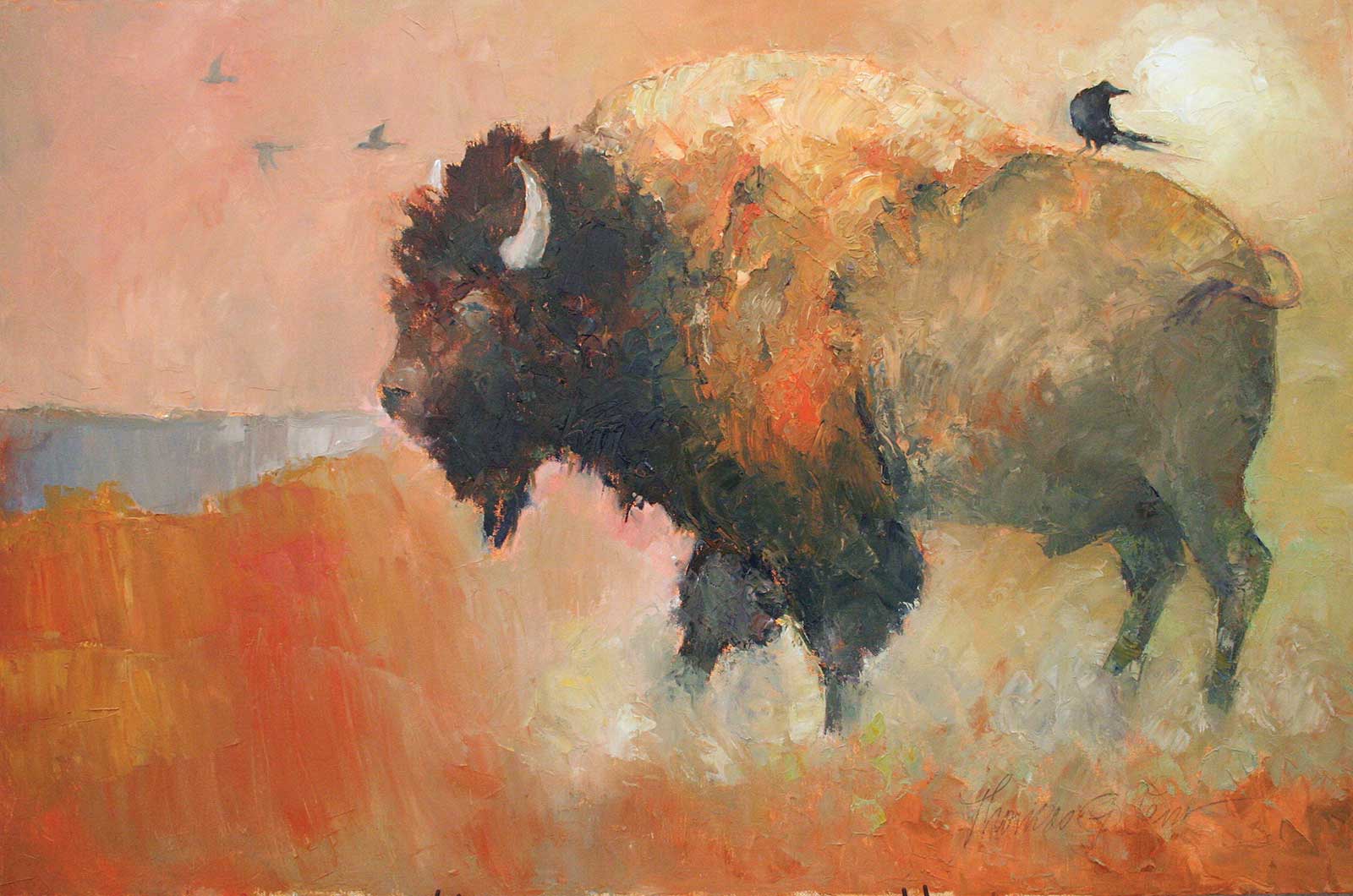 Thomas G. Lewis, Thunderbeast, oil on canvas, 24 x 36"
Hall suggests when considering a new piece of wildlife art to add to your collection, “ask the gallery what subjects and styles the artist is best known for, know your budget and most importantly, buy what stirs your soul.”
In addition to galleries and artists, dedicated events such as the Southeastern Wildlife Exposition, highlight the many talented wildlife artists and their astonishing work. SEWE is celebrating their 39th annual event in Charleston, South Carolina, and they represent nearly 100 premier wildlife artists in the country. “The past few months of unusual isolation ignited the spirit and creativity of our artists,” says Natalie Henderson, SEWE art curator. “Their connection with and deep appreciation of the natural world is reflected in their work.”
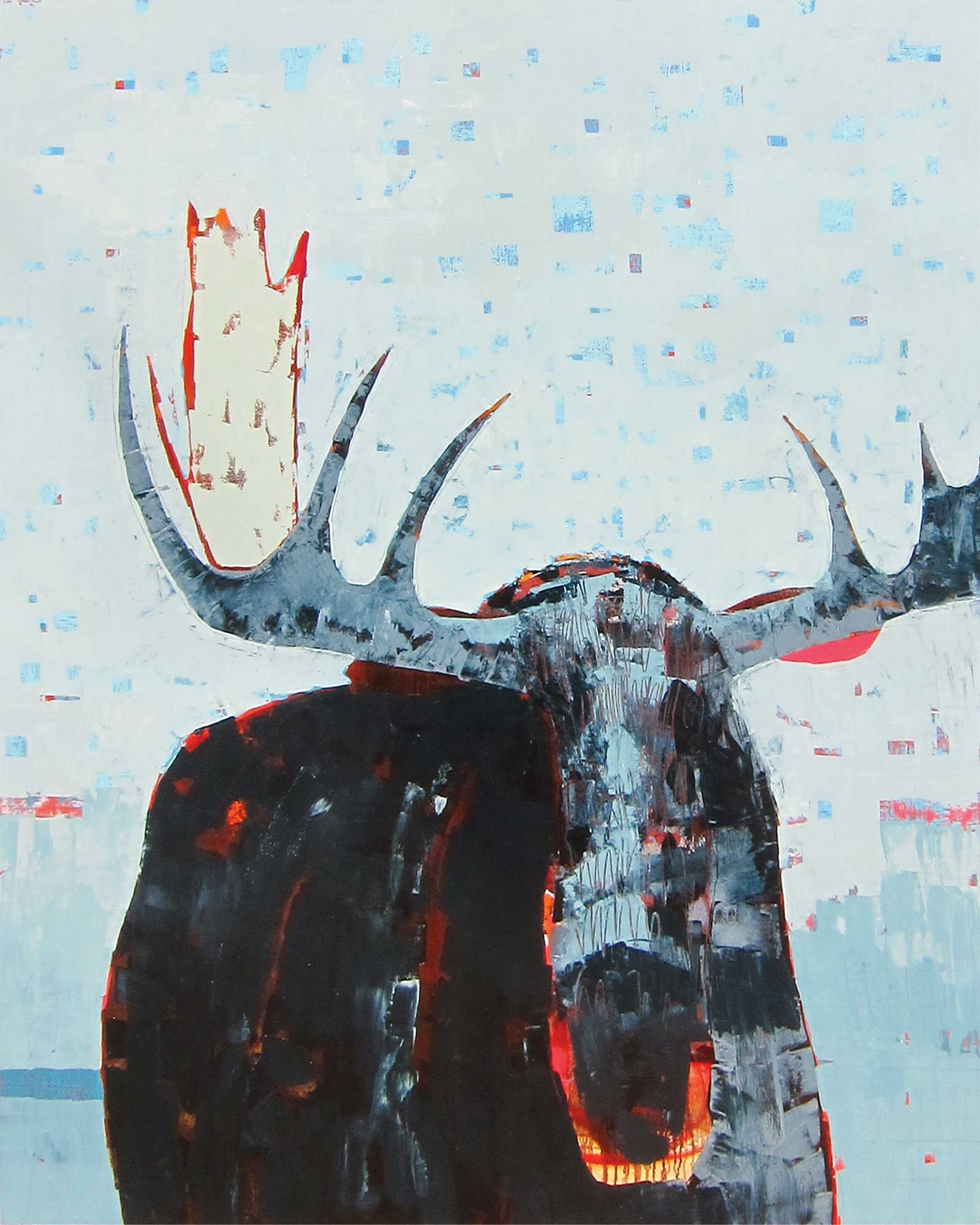 Wilde Meyer Gallery, Head on, oil on canvas, 50 x 40", by Sherri Belassen.
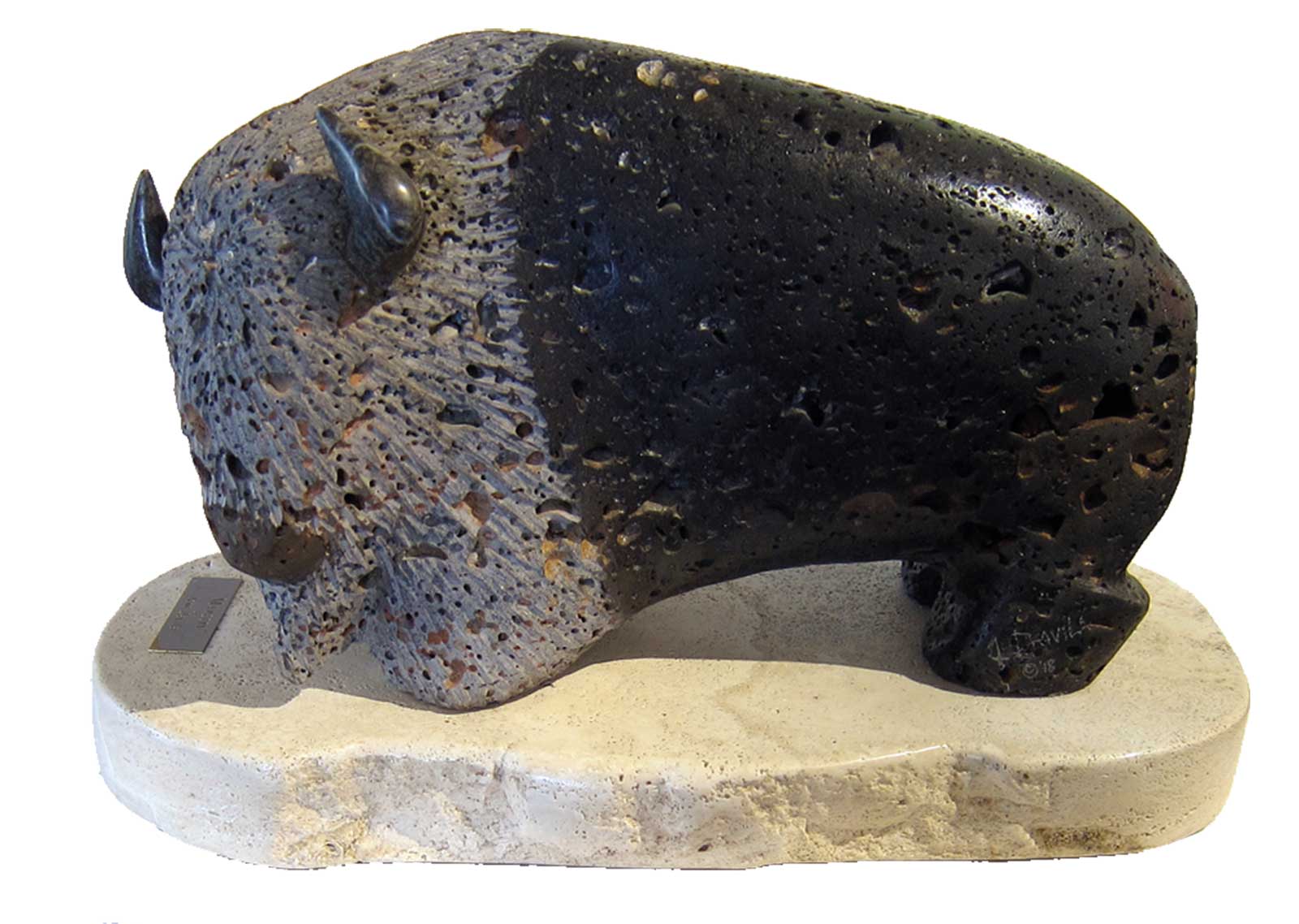 Wild Meyer Gallery, Majesty, Mexican basalt on travertine, 9 x 16 x 8½", by Jess Davila.
Henderson also adds that SEWE is “honored to release new works year-round in the Fresh Off the Easel gallery.” Subscribe to sewe@sewe.com and be the among the first to receive the bi-monthly installments.
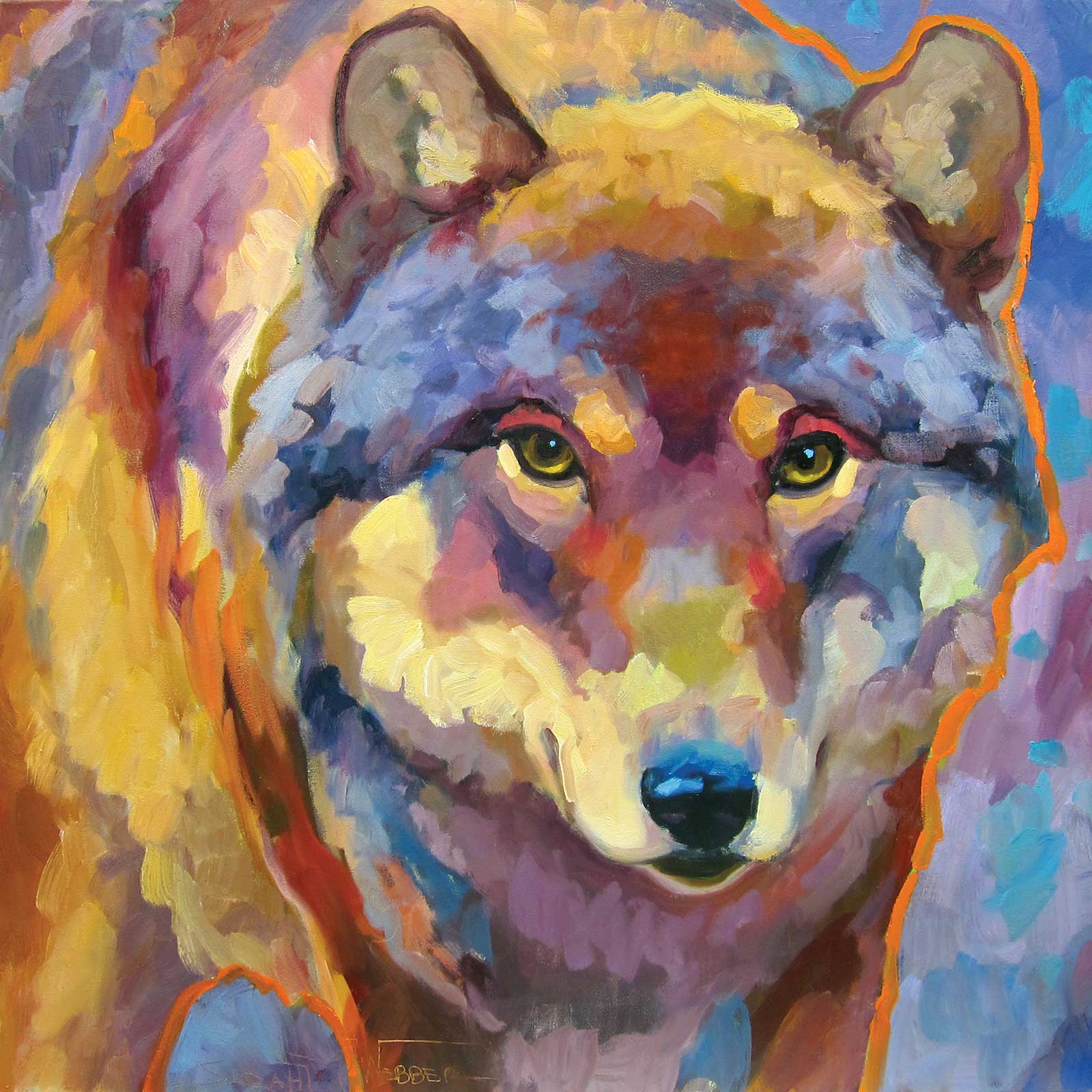 Wild Meyer Gallery, Force of Nature, oil on canvas, 36 x 36", by Sarah Webber.
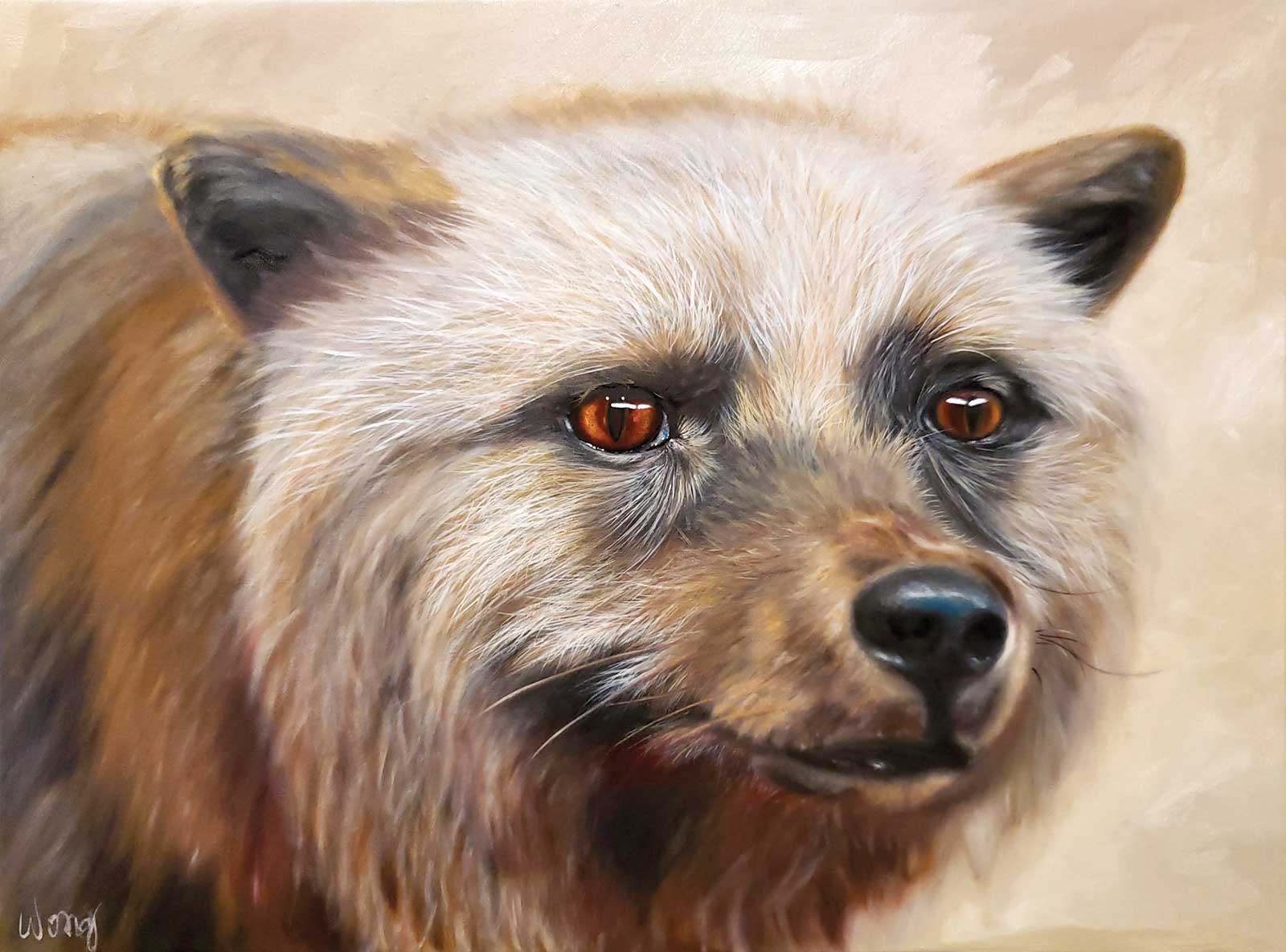 Wing Na Wong, Silver Fox Taxidermy, oil on linen, 18 x 24"
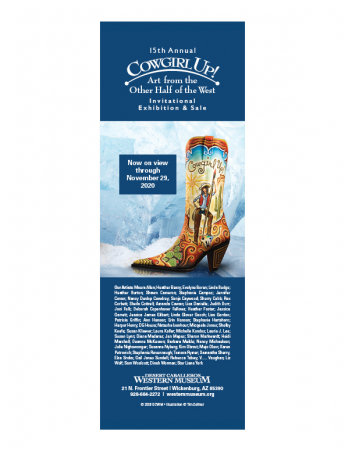
Everyone is also looking forward to the 15th annual Cowgirl Up! exhibition and sale with Desert Caballeros Western Museum in Wickenburg, Arizona. They will be featuring more than 60 women artists showcasing their version of the American West. Through wildlife, many of the artists capture the spirit of the west including featured artists Micqaela Jones and Patricia Griffin (also featured below). Their art captures the viewer, telling a story of stewardship and allowing an experience where one can almost feel the sun, wind and the generational wisdom found in wildlife. Cowgirl Up! has been extended to November 29th both online and in person. To view and purchase art from the exhibition virtually please visit www.westernmuseum.org.
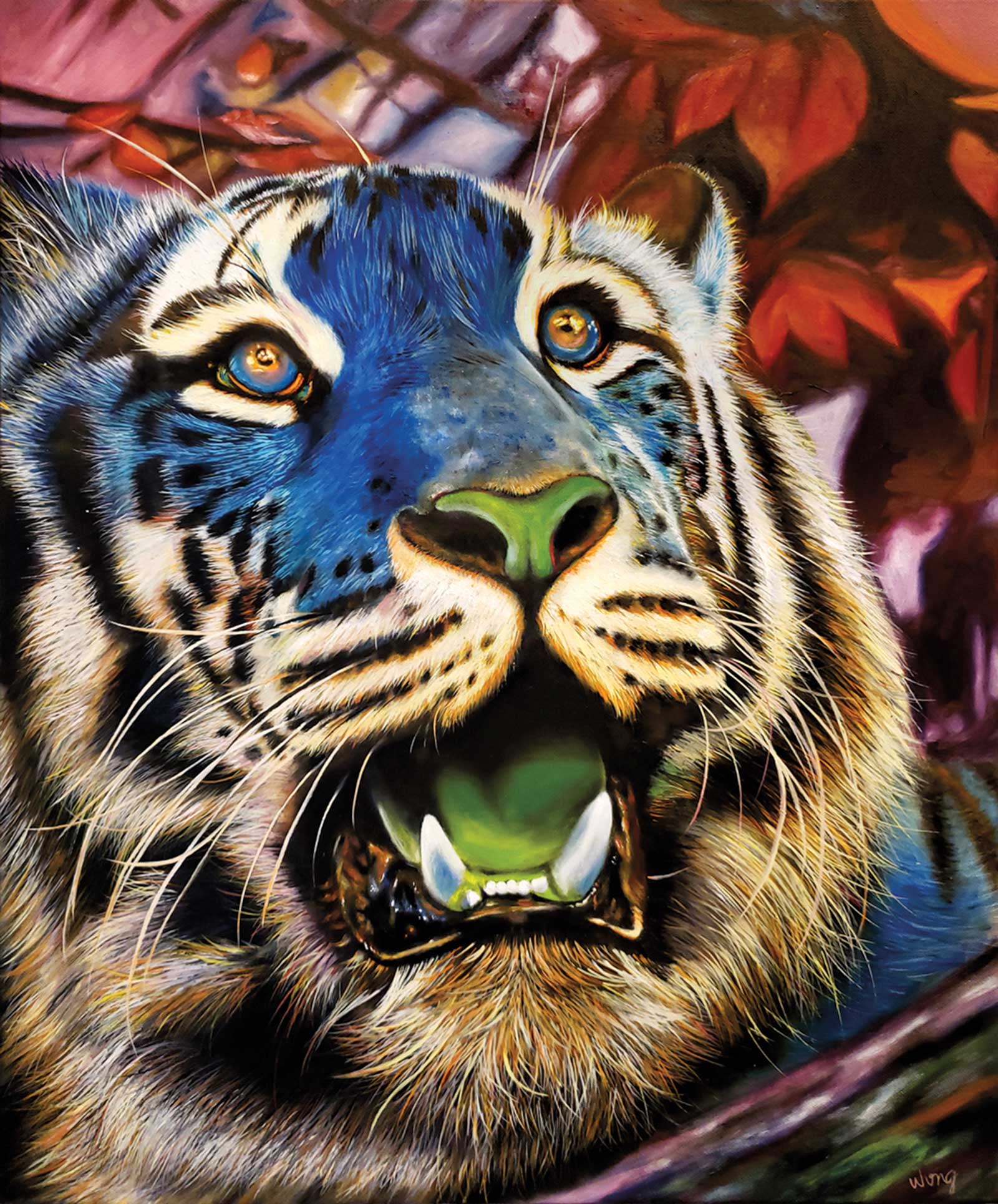 Wing Na Wong, Despair, oil on canvas, 24 x 18"
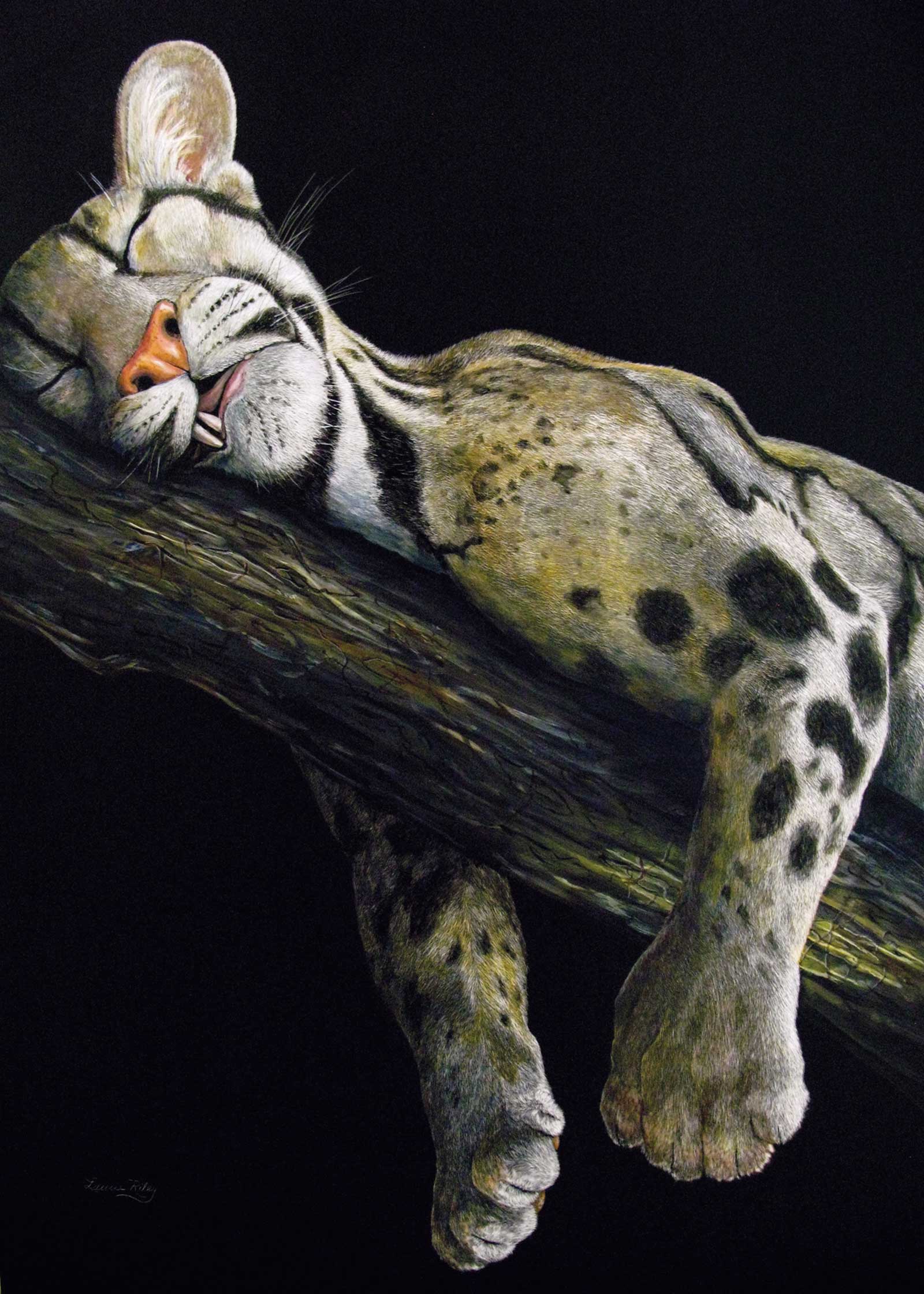 Laurie Riley, Innocence of the Very Young, acrylic and scratchboard, 30 x 40"
For an eclectic array of wildlife artists, Wilde Meyer Gallery is a great place to start your art collection. They have conventional wildlife artists and artists who love to paint or sculpt wildlife in a more unusual way. Sherri Belassen chooses to greatly abstract the animal she is painting as well as often placing it in any unusual composition. Although very abstracted, the creatures Belassen portrays are clearly recognizable. Stone sculptor Jess Davila, views a stone he is working on to see what animal is wanting to come out. He then pares down the stone to represent the essence of the animal. Sarah Webber, also with Wilde Meyer, is often viewed as a more conventional wildlife painter, but her paintings go beyond to show the personality of the subject as an individual.
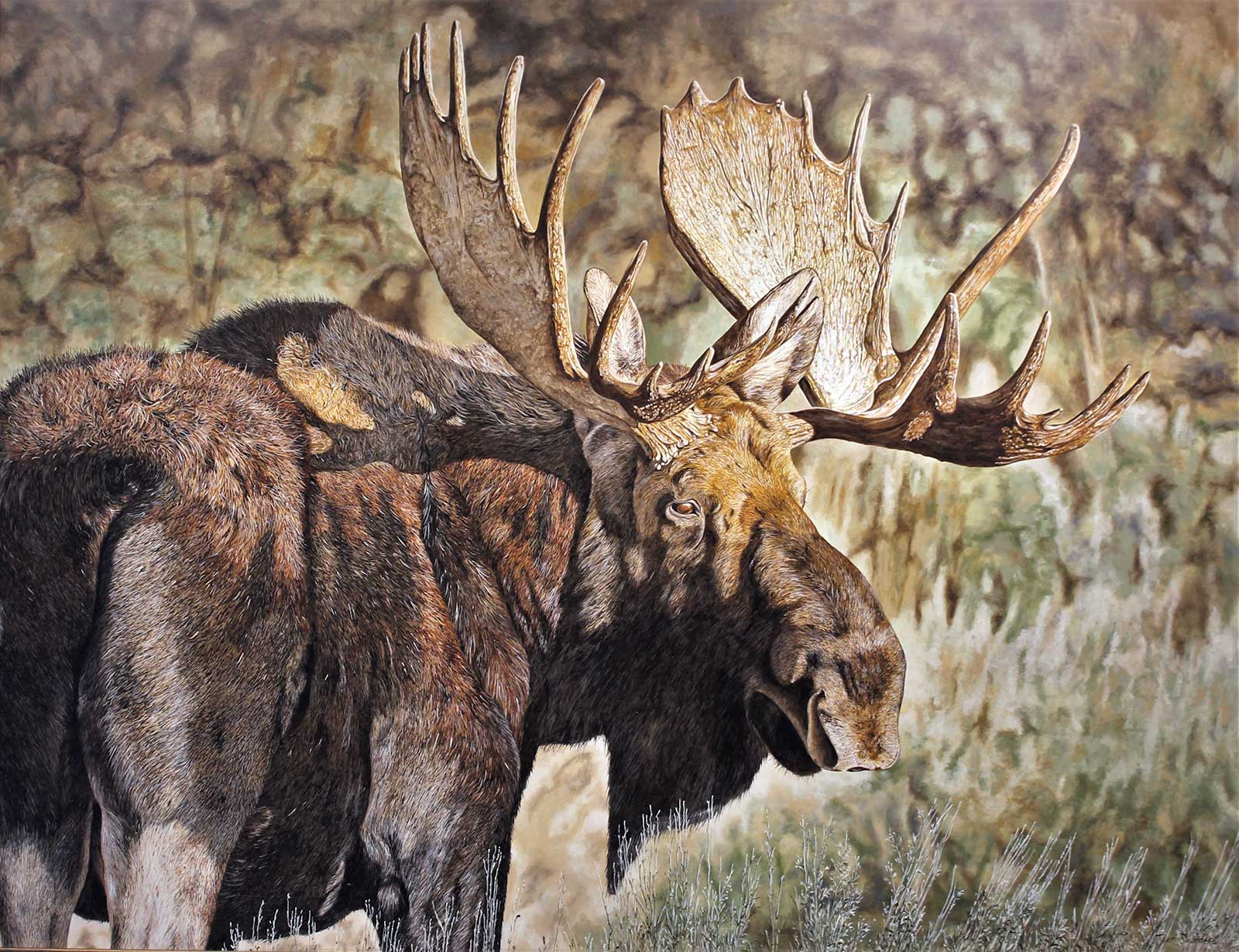 Rimrock Gallery, Shoshone, oil, 38 x 49", by Tyler Saunders.
“My advice to collectors is to collect what appeals to you emotionally,” says Betty Wilde, Wilde Meyer Gallery owner. “Let a work speak to you. Think about a purchase before buying and don’t be talked into buying what you don’t want.”
Photorealist painter Wing Na Wong, has a specialty in portraiture depicting people or animals with expressive details. Photorealism has always been her interest, but her decision to officially make it her career began when she started fine tuning her techniques. Creating portraits and bringing them to life with details gives her all the satisfaction and encouragement she needs. It’s about telling the story of a person, a biography, and using her paintbrush to depict the many life experiences that we all go through with visual clues and artistic details.
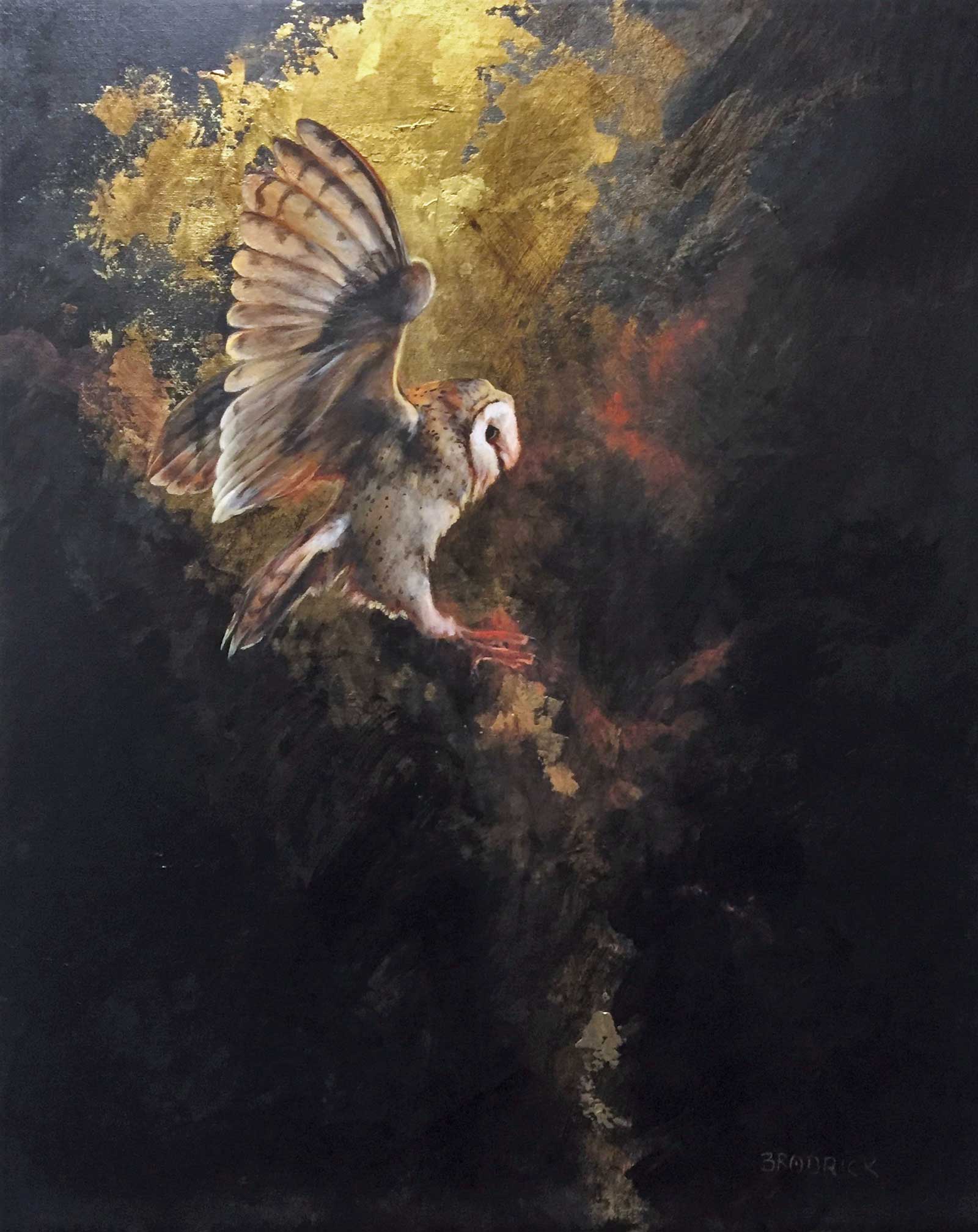 Rimrock Gallery, The Golden Hour, acrylic, 30 x 24", by J.M. Brodrick.
Artist Laurie Riley also pays special attention to physical detail, and strives to bring out the essence or soul of the animal. “To elicit true appreciation of an animal’s personality, every pose and expression is real, without added idealism; yet it is something much more than just paint and canvas,” Riley explains. “My patrons often remark that when they spend time with one of my paintings, they develop a deep relationship with it.”
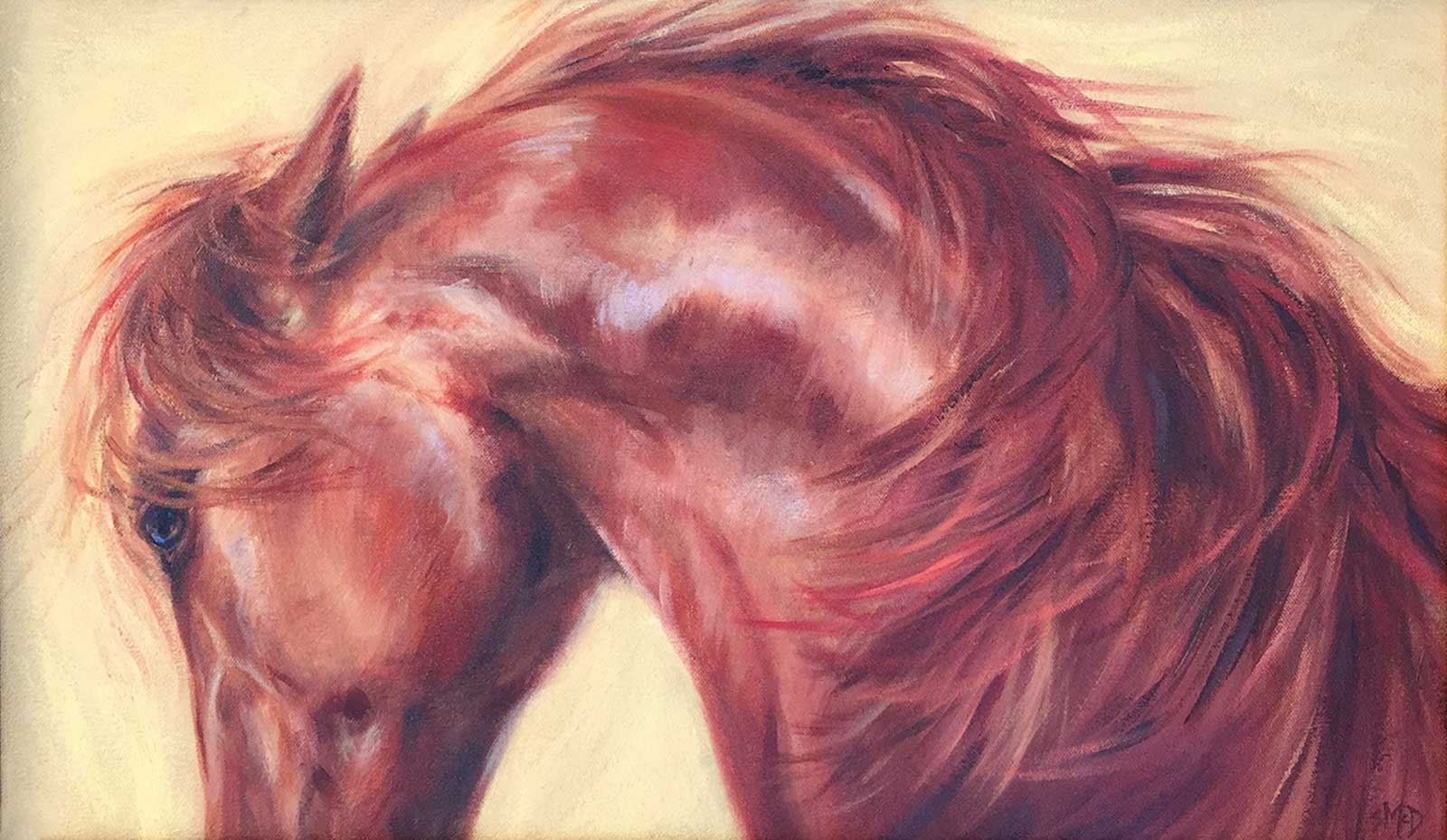 Sandy McDaniel, Spring Morning, oil on canvas, 12 x 20"
“When acquiring wildlife art,” Riley adds, “look for a painting that makes you gasp with delight or awe. Your purchase is an investment in how you feel every time you see it.”
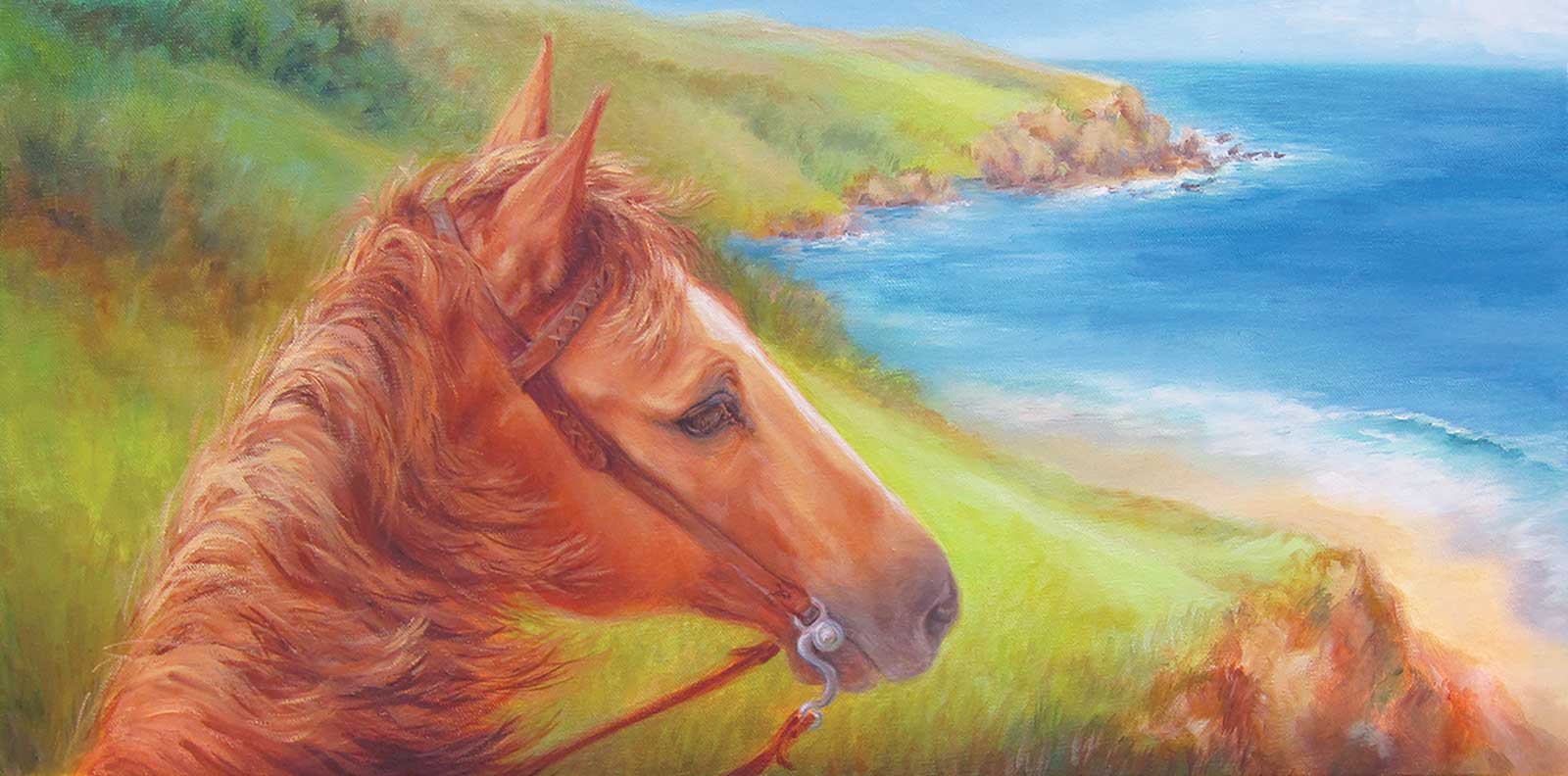 Sandy McDaniel, Sea Breeze, oil on canvas, 12 x 24"
Detail is also important to artists Tyler Saunders and J.M. Brodrick, who are both represented by Rimrock Gallery in Prineville, Oregon. Saunders paints with supreme detail using a tiny brush for each hair. “When you come close, you can feel the animal breathing,” says Rimrock representatives. “His paintings are also powerful at a distance.” Brodrick enjoys placing highly detailed subjects on an abstract background in acrylic. “Her extensive knowledge of color and technique helps her tie the two together, producing a very pleasing result,” the gallery says.
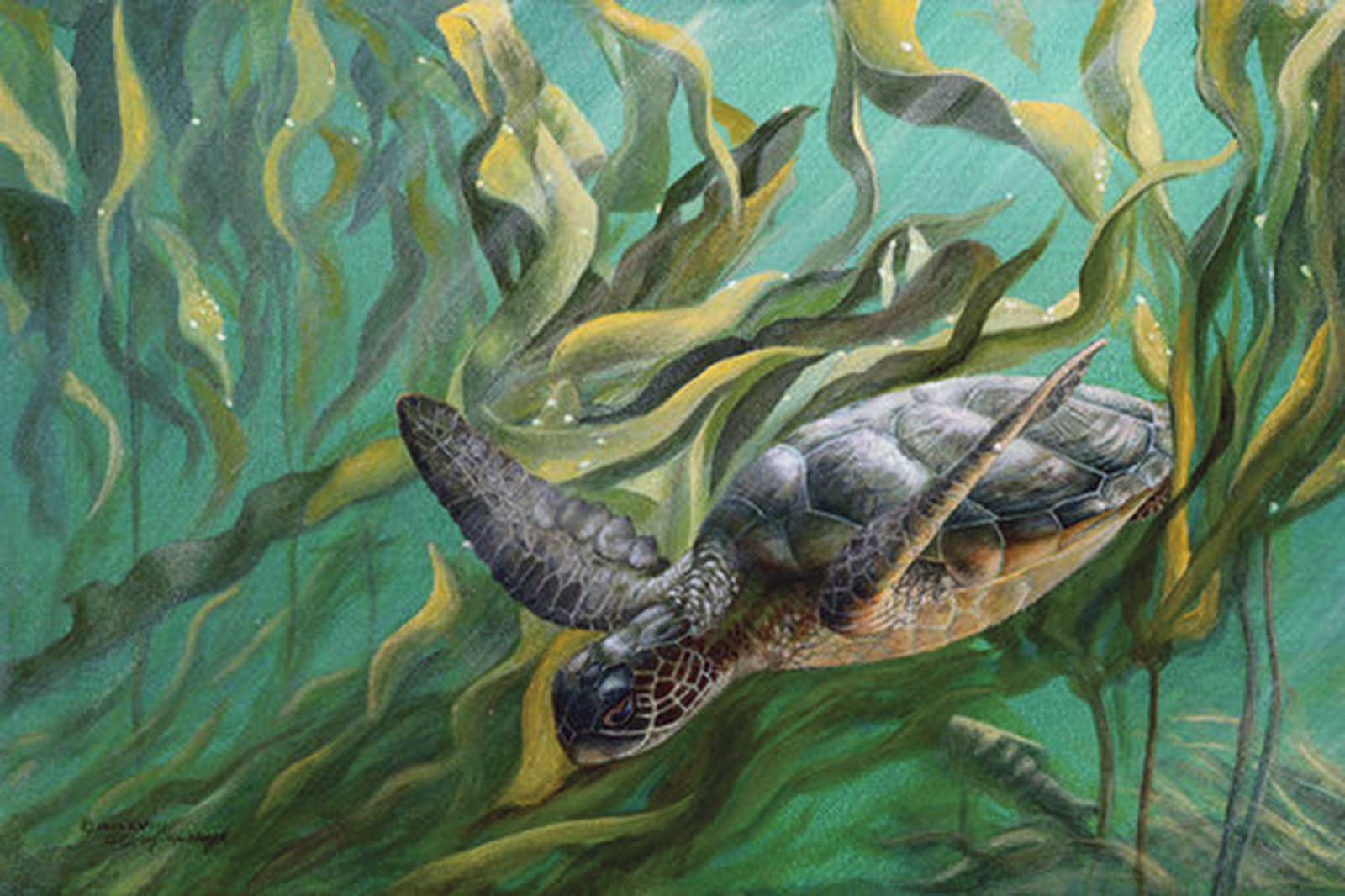 Cindy Sorley-Keichinger, Seaweed Dance, acrylic, 9 x 13½"
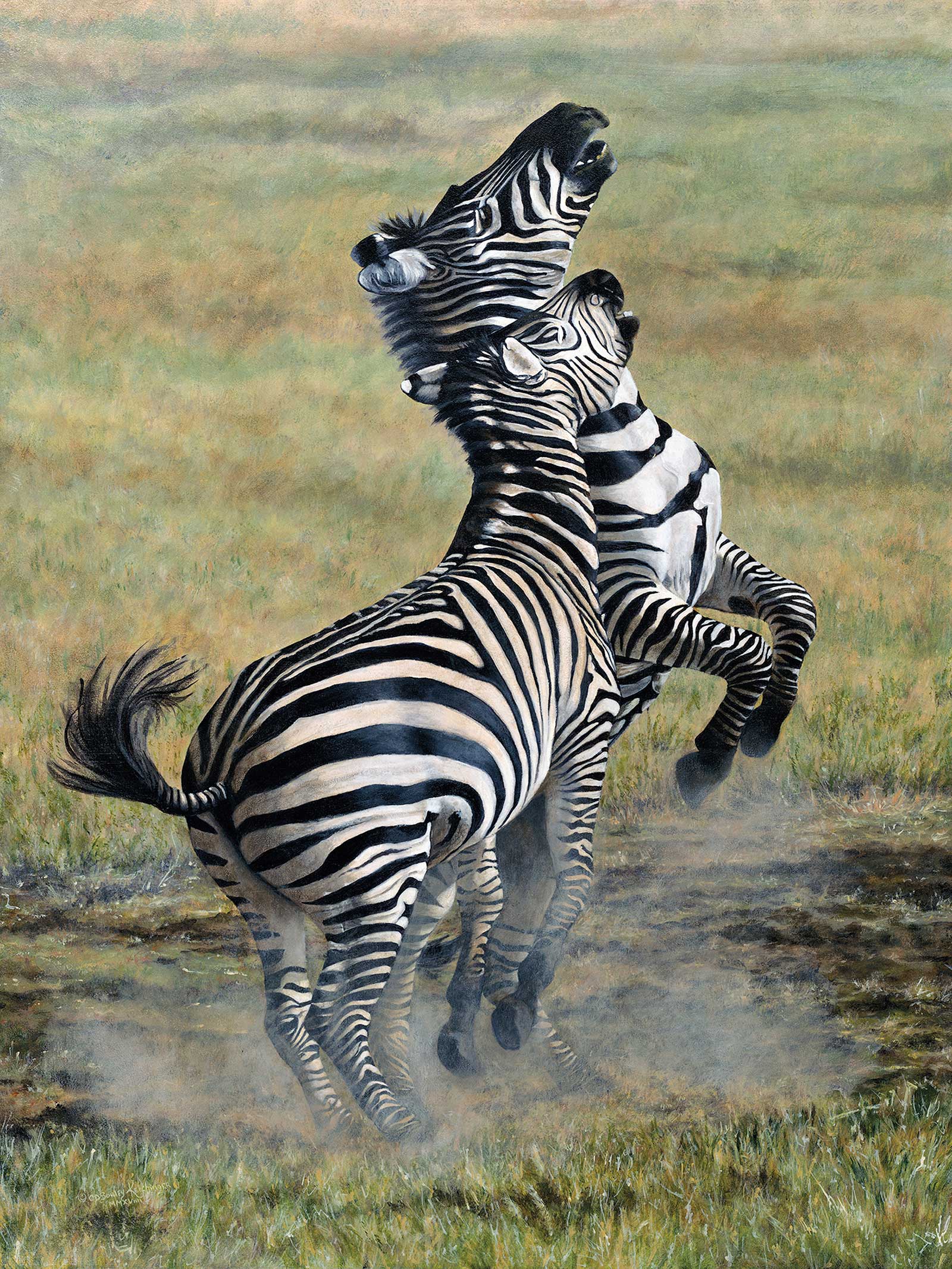 Cindy Sorley-Keichinger, Contested, acrylic, 24 x 18"
“Collectors, both new and experienced, should purchase art based on ‘emotional grab,’” according to the gallery. “Purchasing art based on matching colors, being a trend or the way it is or isn’t framed will only end up in disappointment. Heartfelt decisions last forever.”
“Not everyone can enjoy the wonder and awe of wild animals up close, as I am privileged to do,” explains Lisa Gleim. “In my paintings, I want to bring each to life for a viewer, through realism, to reveal their personality, coupled with storytelling and good, strong composition to engage their hearts and imagination.” Gleim is quick to say, “I find working with the color variety, liveliness and rich pigment offered by pastels very rewarding.”
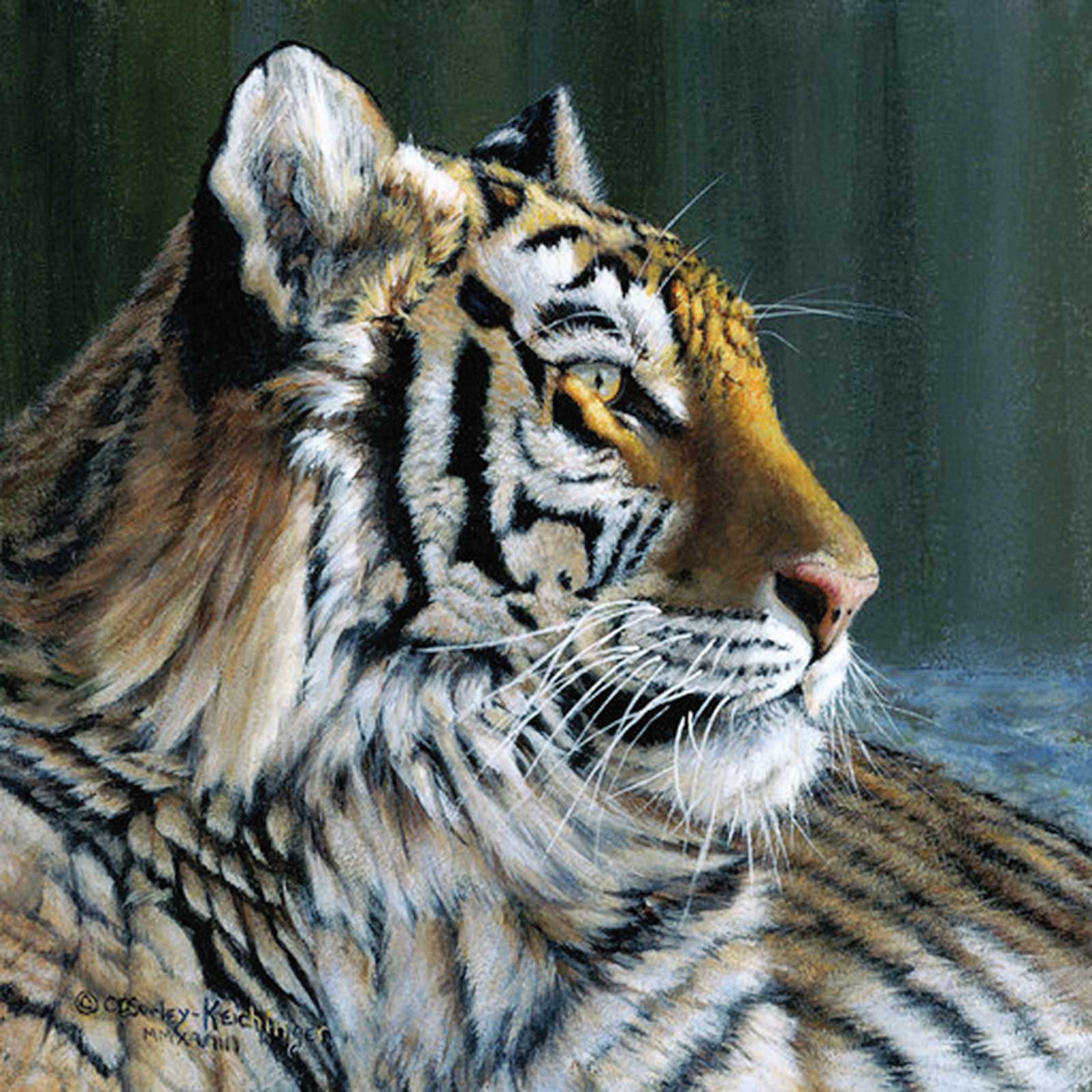 Cindy Sorley-Keichinger, Sunning, acrylic, 8 x 8"
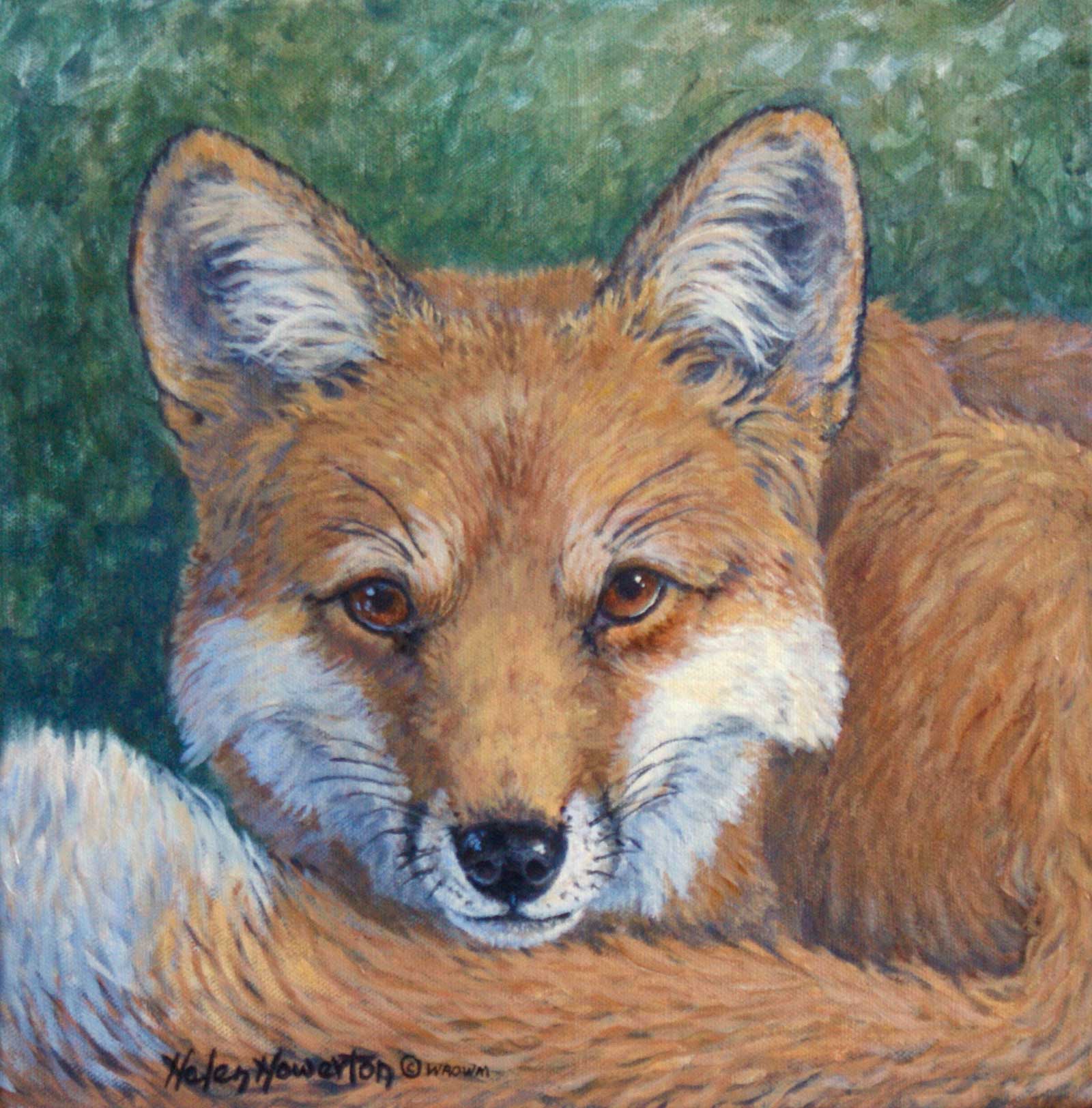 Helen F. Howerton, Foxy, acrylic on canvas, 12 x 12"
“Gleim’s treatment of the various textures and elements within a wildlife work of art, such as The Secret Keepers, in the Booth Western Art Museum permanent collection, are wonderful,” noted Michael A. Paderewski, The Sportsman’s Gallery & Paderewski Fine Art president. “From the multi-hued coat of the bear to the shimmer of the ravens’ feathering, she has captured, in pastel, the subtleties found in nature.”
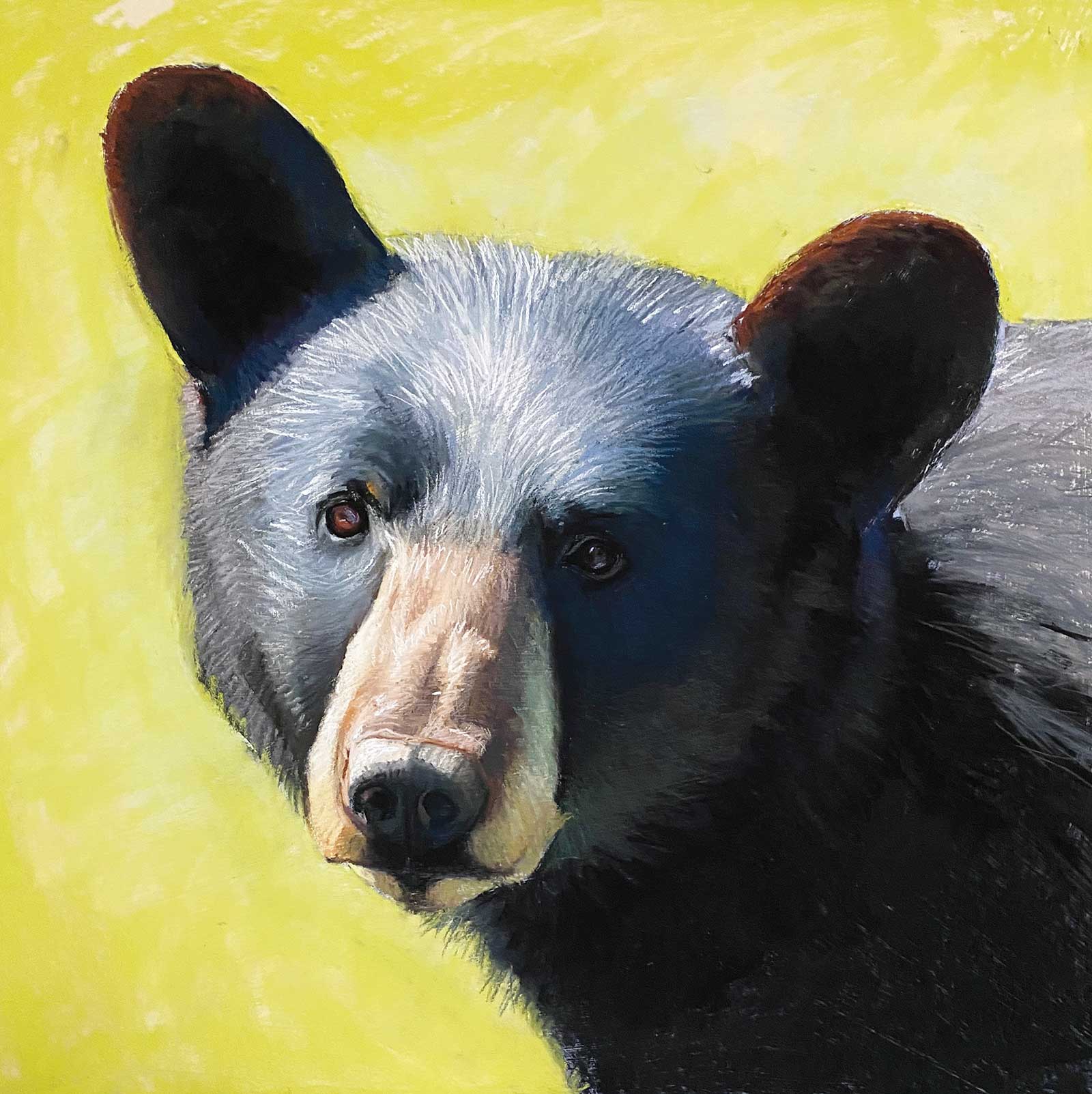 Lisa Gleim, Black Bear, pastel, 23 x 23"
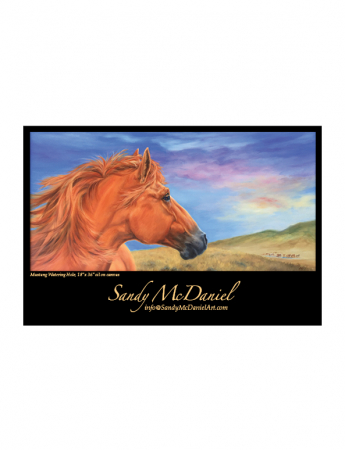
Artists such as Sandy McDaniel, dedicate their careers to one particular animal. For McDaniel, horses are her main subject matter. “Painting horses gives me the chance to have it both ways,” she explains. “The soft-eyed domesticated companion and the head tossing, galloping free spirit.” Being on horseback is also important to McDaniel’s creative process. “It gives me time to understand movement, how changing light and the shake of the mane affects composition and tone. I believe a connection with the natural environment is critical when painting living things.”
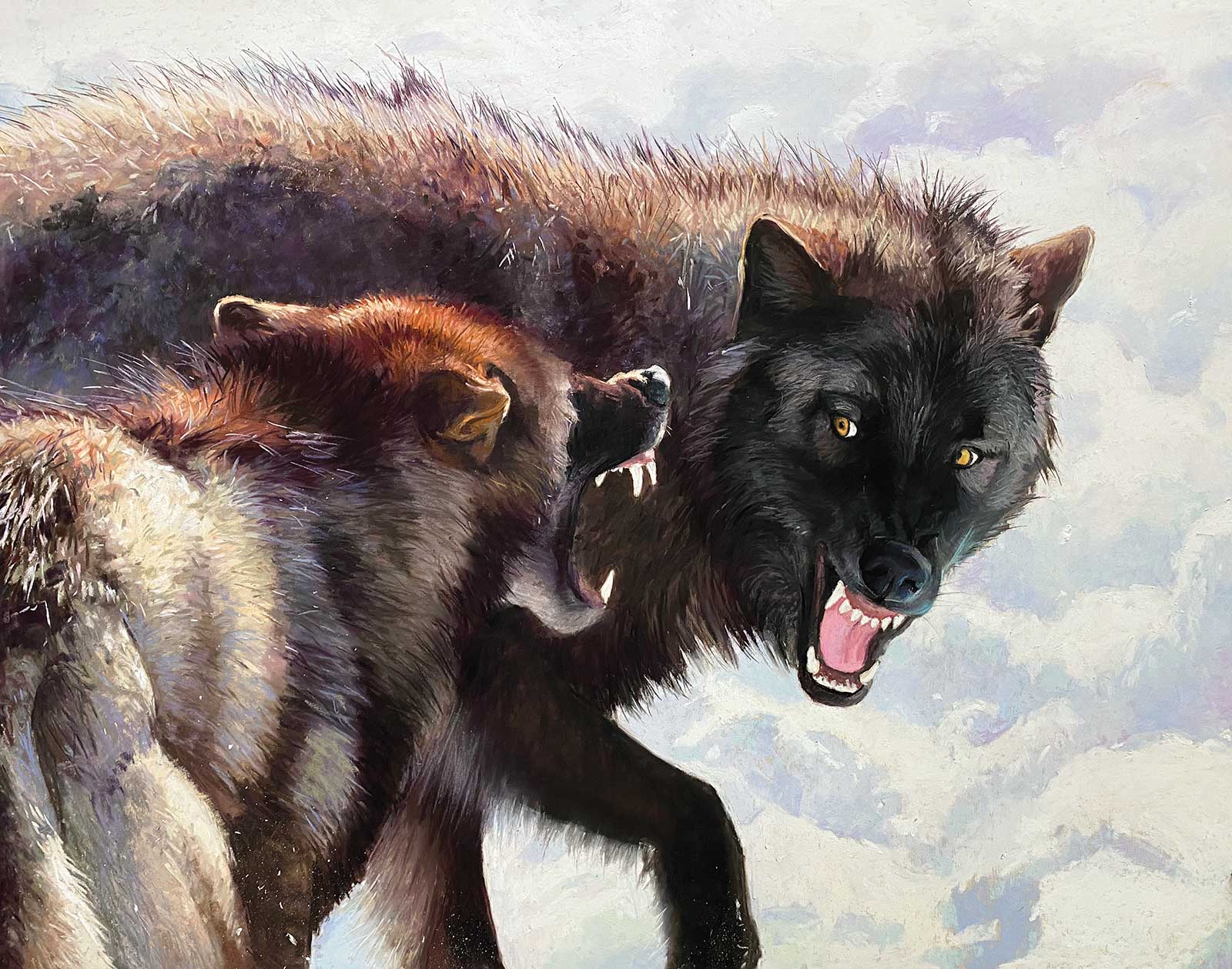 Lisa Gleim, Sibling Rivalry, pastel, 20 x 24"
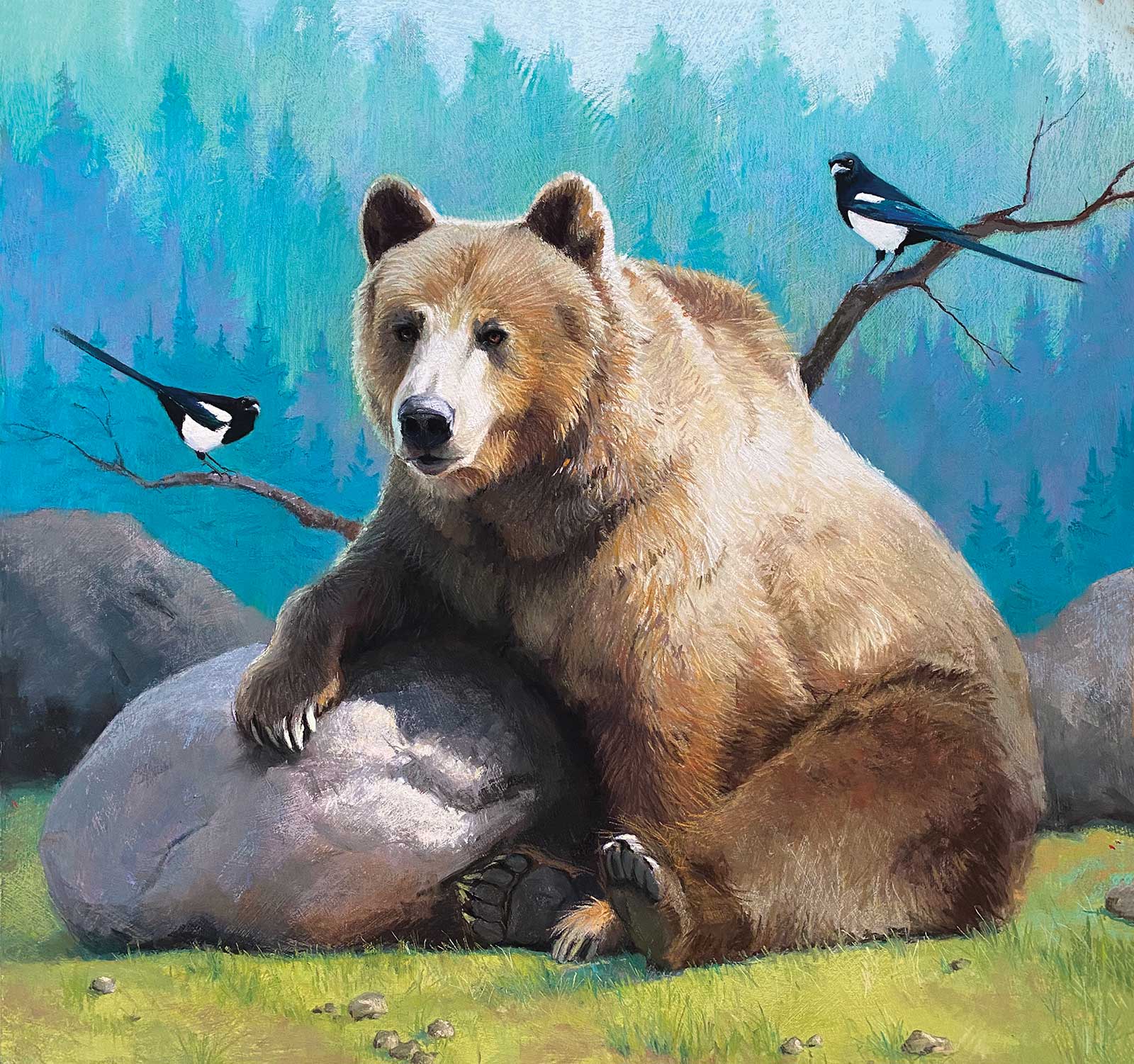 Lisa Gleim, In One Ear Out the Other, pastel, 32 x 34"
While Zebra’s are a favorite subject for artist Cynthie Fisher, everything in her world revolves around her love and admiration for all wildlife. Her college studies in zoology and wildlife management helped inspire her artistic career. “I strive to create realistic and accurate portrayals, some of which tell a story,” Fisher says. “I don’t copy photos, but create my own unique composition that compliments what I’m trying to depict.”
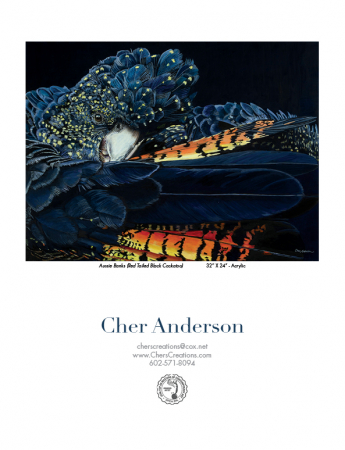
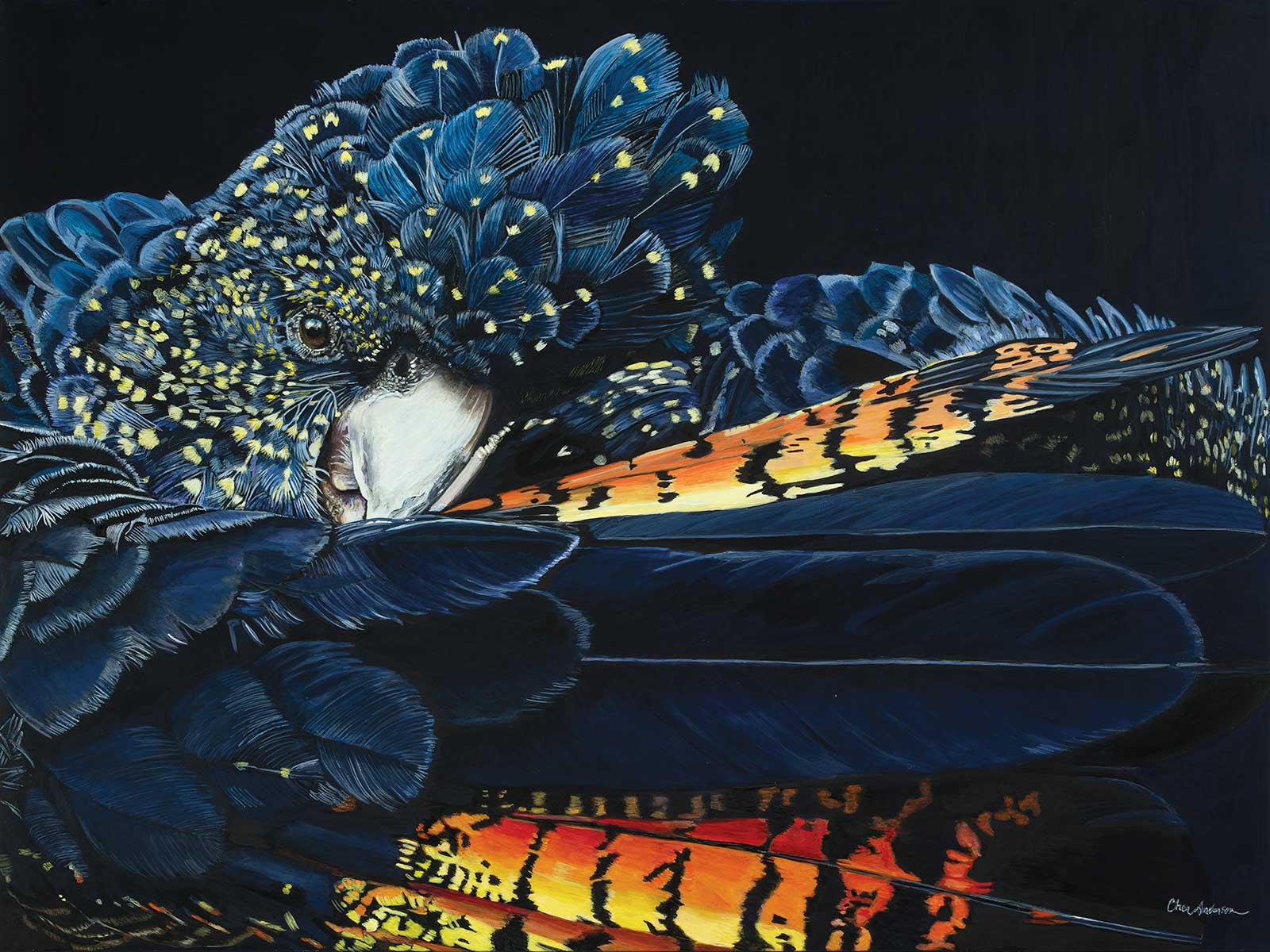 Cher Anderson, Aussie Banks, acrylic, 24 x 32"
She creates vibrant colorful paintings and scratchboards of species from all corners of the world, most of which she has traveled to, including 19 trips to Africa. Fisher has been a professional artist for more than 30 years, and has added sculpture and mosaics to her repertoire.
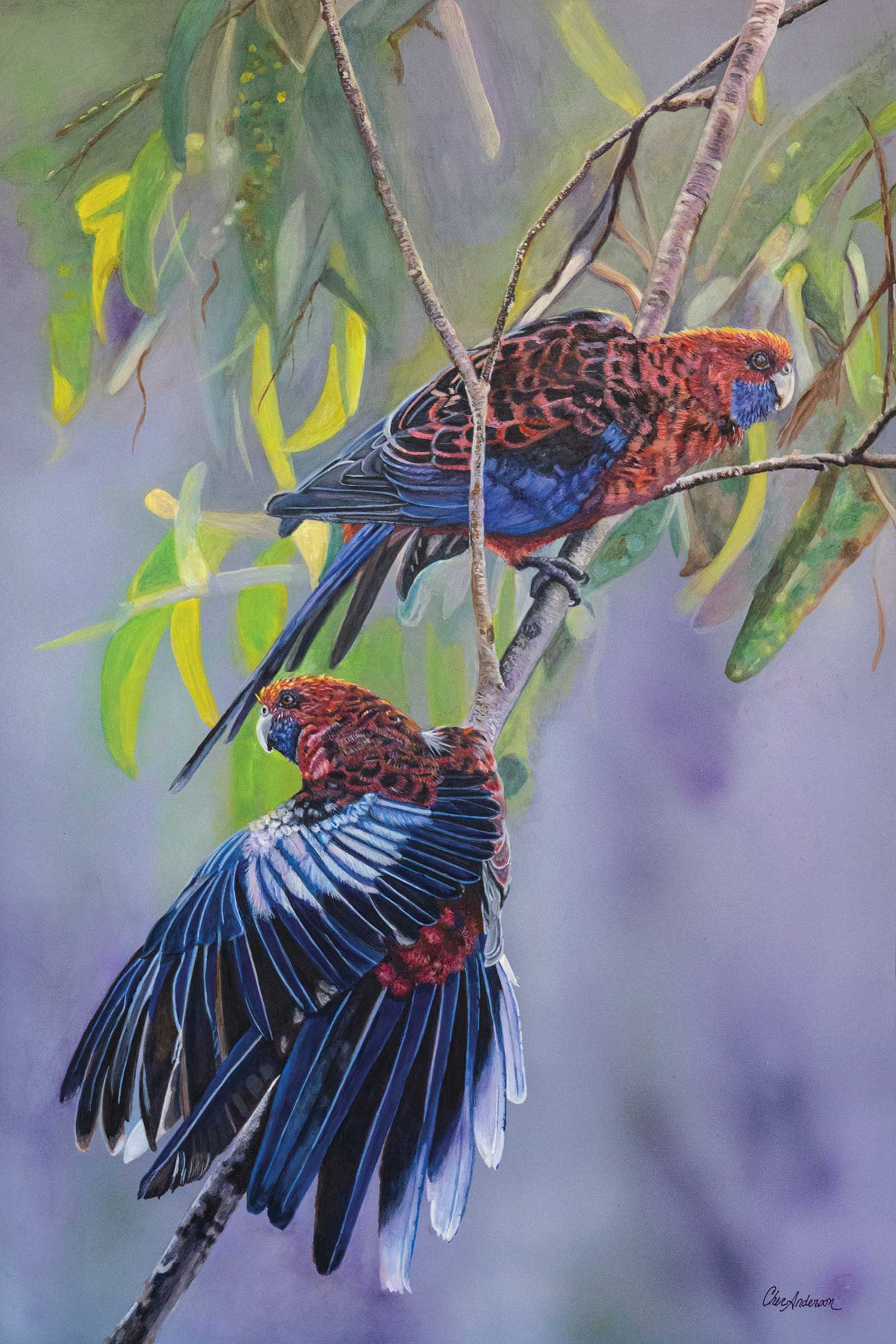 Cher Anderson, Aussie Rosellas, acrylic, 36 x 24"
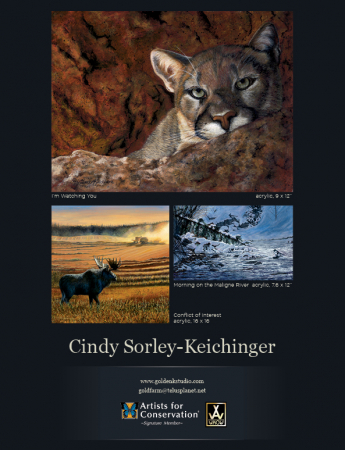
Cindy Sorley-Keichinger is a self-taught artist that grew up on a farm in East Central Alberta. Family vacations were always at national parks doing lots of trail hiking with field guides in hand to learn all about the environment around them. “There was no such thing as walking in ignorance of our fellow inhabitants of the planet,” says Sorley-Keichinger. Naturally, this led her to want to draw and paint nature, and has worked in acrylic, gouache and more recently oil, for the extra punch of color. In addition, when working on a painting, she likes to research the animal, so she can portray it properly and include its environment so others may get to know them too.
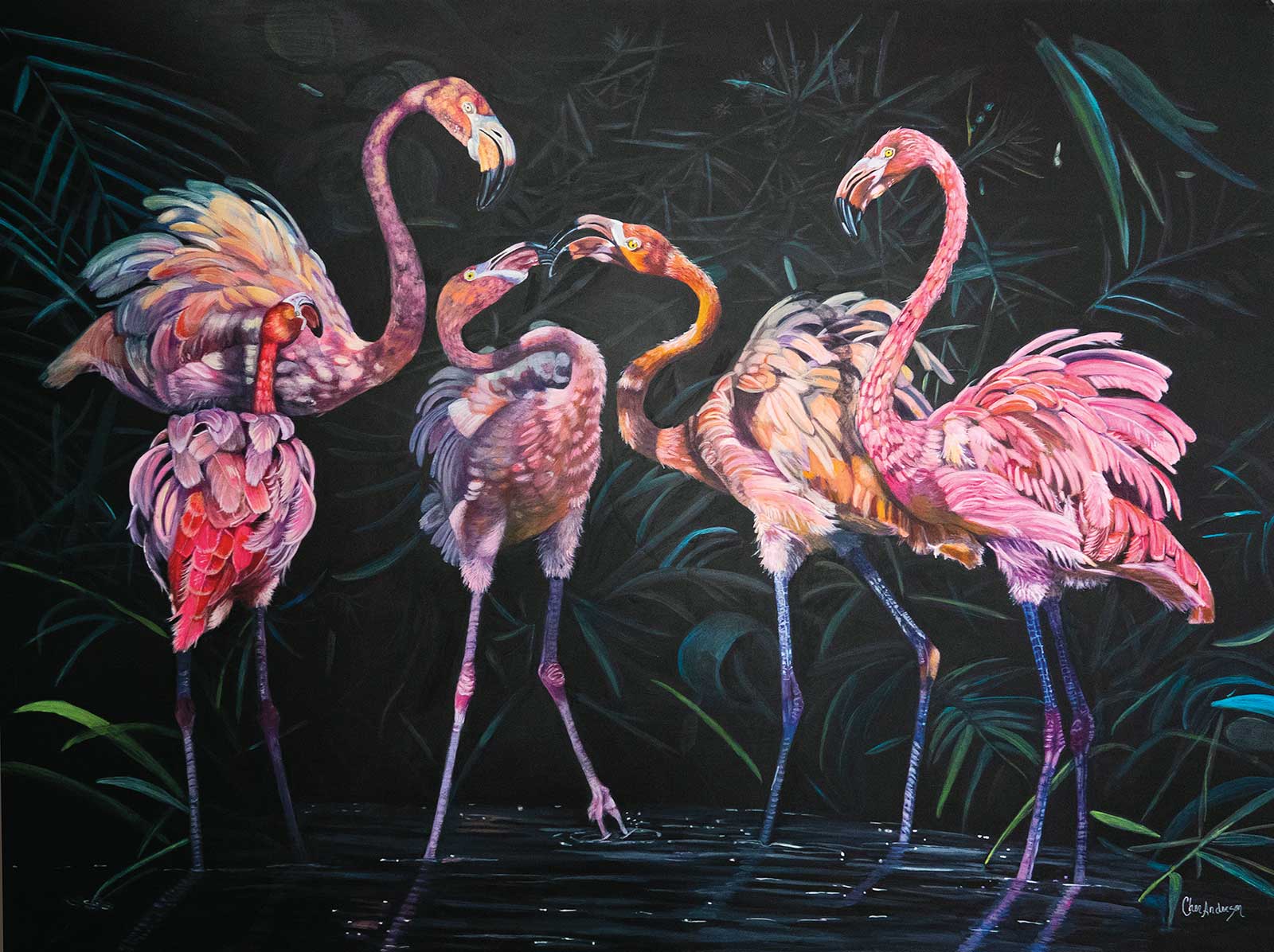 Cher Anderson, The Great Debate, acrylic, 36 x 48"
Her advice to collectors is that if you find a piece of art that touches you, or speaks to you, that is the one to buy. “You have to live with it, and you should feel a connection to it,” she says.
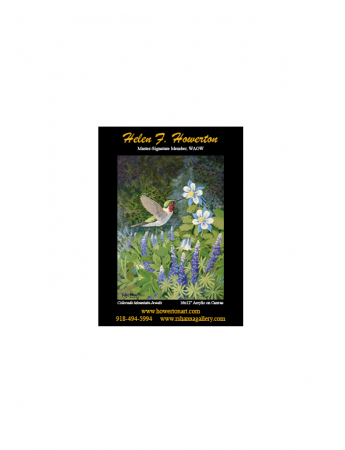
Wildlife artist Helen Howerton also researches her subject matter, and discusses the background of her piece, Foxy. “The red fox is noted for beauty and intelligence,” Howerton explains. “Although found most often in wooded countryside, the fox is living in our cities. I have photographed them in several states, but witnessed one in Tulsa behind my house! This painting is based on the idea of animals who are curled up, but aware of our presence. The eyes say it all!”
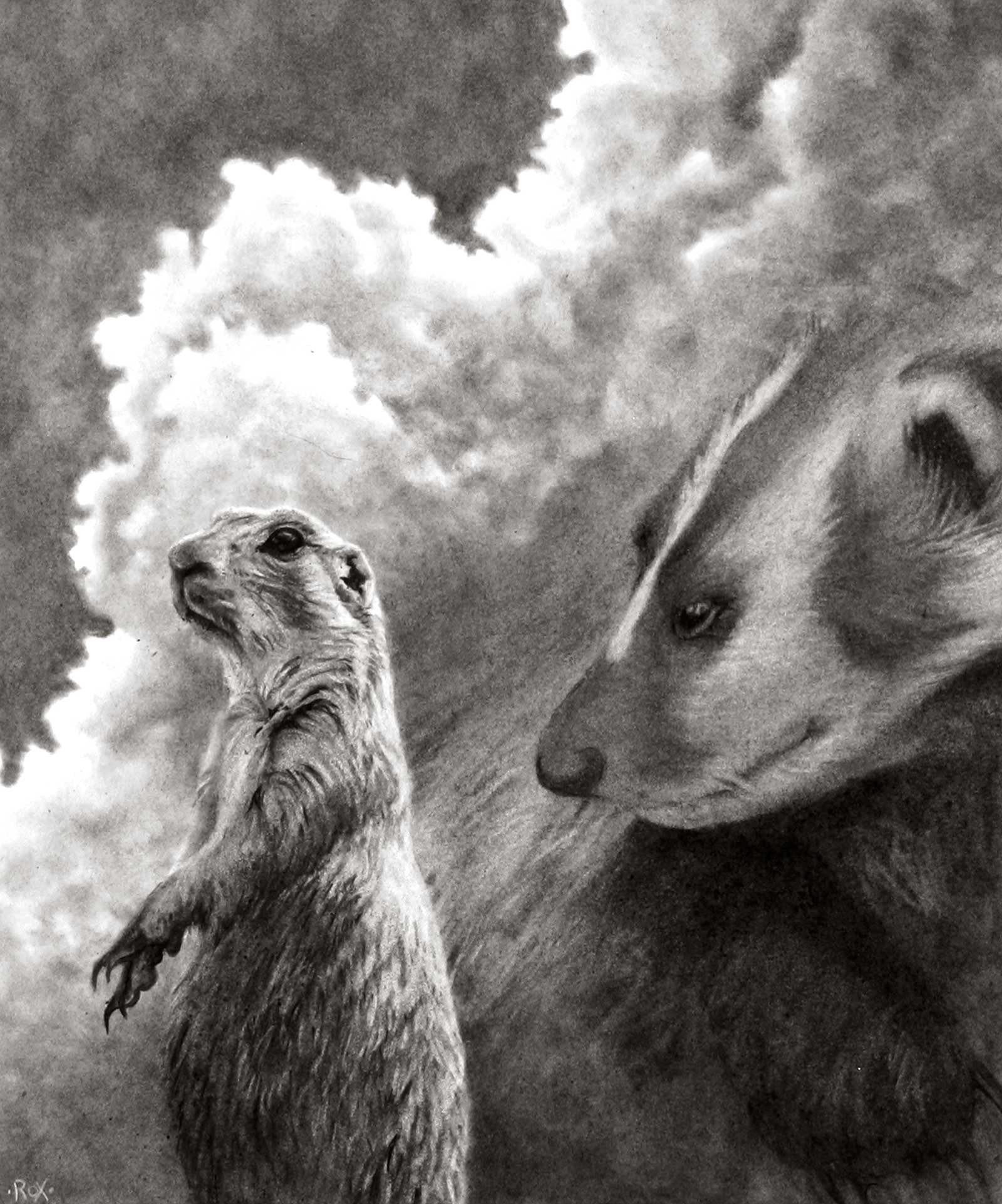 Rox Corbett, Little Buddha Dog Dreams of Big Bad Badger, charcoal on archival paper, 9½ x 8"
She adds: “Today collectors may find it difficult to travel to art venues with so many shows being hosted online. If you are considering the purchase of an original art work, it’s a good idea to contact the seller.”
Cher Anderson is a wildlife artist that works from her photographs from encounters with her subjects. Her love and passion for birds and animals translates onto canvas as a glimpse of the quiet moments experienced. “As an artist, the time spent painting my subjects with fine detail, is time that I enjoy getting to know it,” she explains. On occasion, Anderson finds an amazing photograph by someone that has had that experience and makes it her own by creating a piece to memorialize the incredible talent of the photographer.
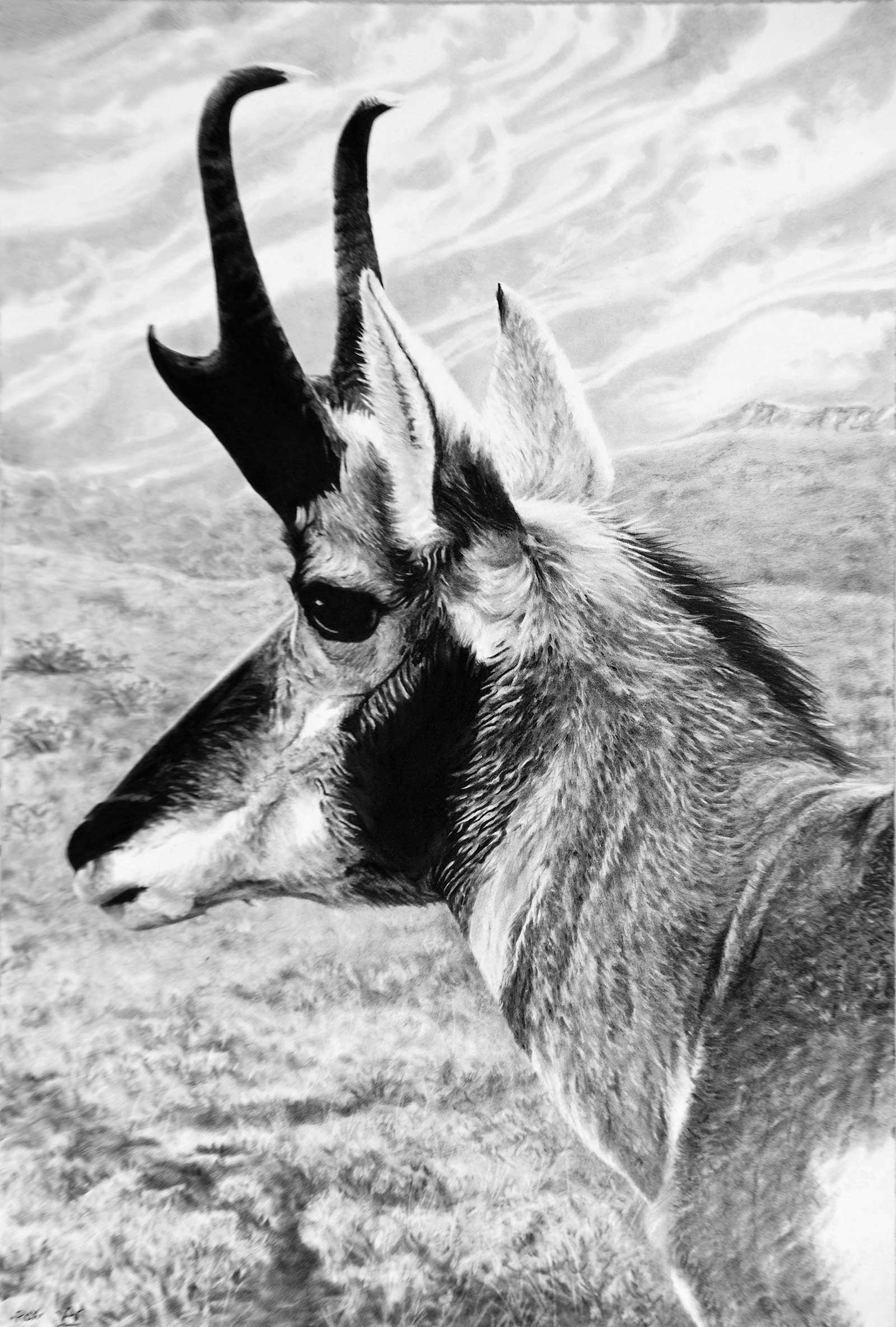 Rox Corbett, Made in America, charcoal on archival paper, 20 x 13½"
Anderson is a Patron of Artists for Conservation, has been selected as a Top 60 Master Artists for Art Tour International and has been chosen for Artist of the Decade in 2020. She’s also a member of the International Guild of Realism, and has won awards in 2019 and 2020.
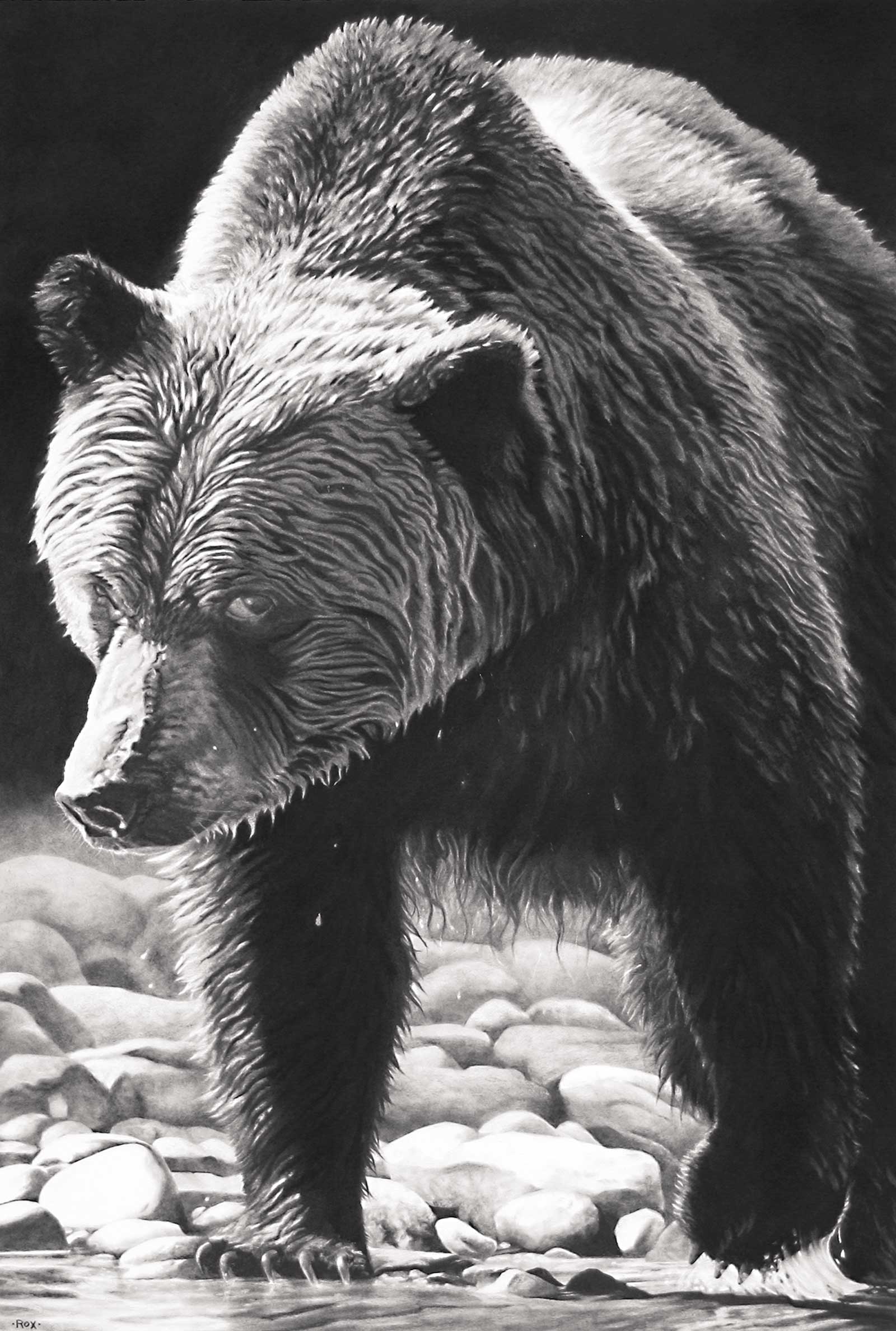 Rox Corbett, Says Who, charcoal on archival paper, 25 x 17"
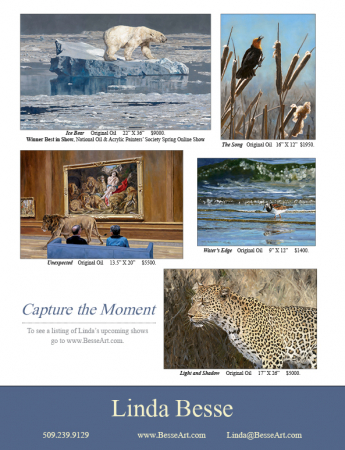
Having spent time observing animals in their natural habitat, it is the fleeting moments that Linda Besse remembers. “The touch of sunlight on fur, the step forward which makes just the right silhouette, the reflections in water creating interesting patterns, or just the thrill of the animal acting naturally,” she says.
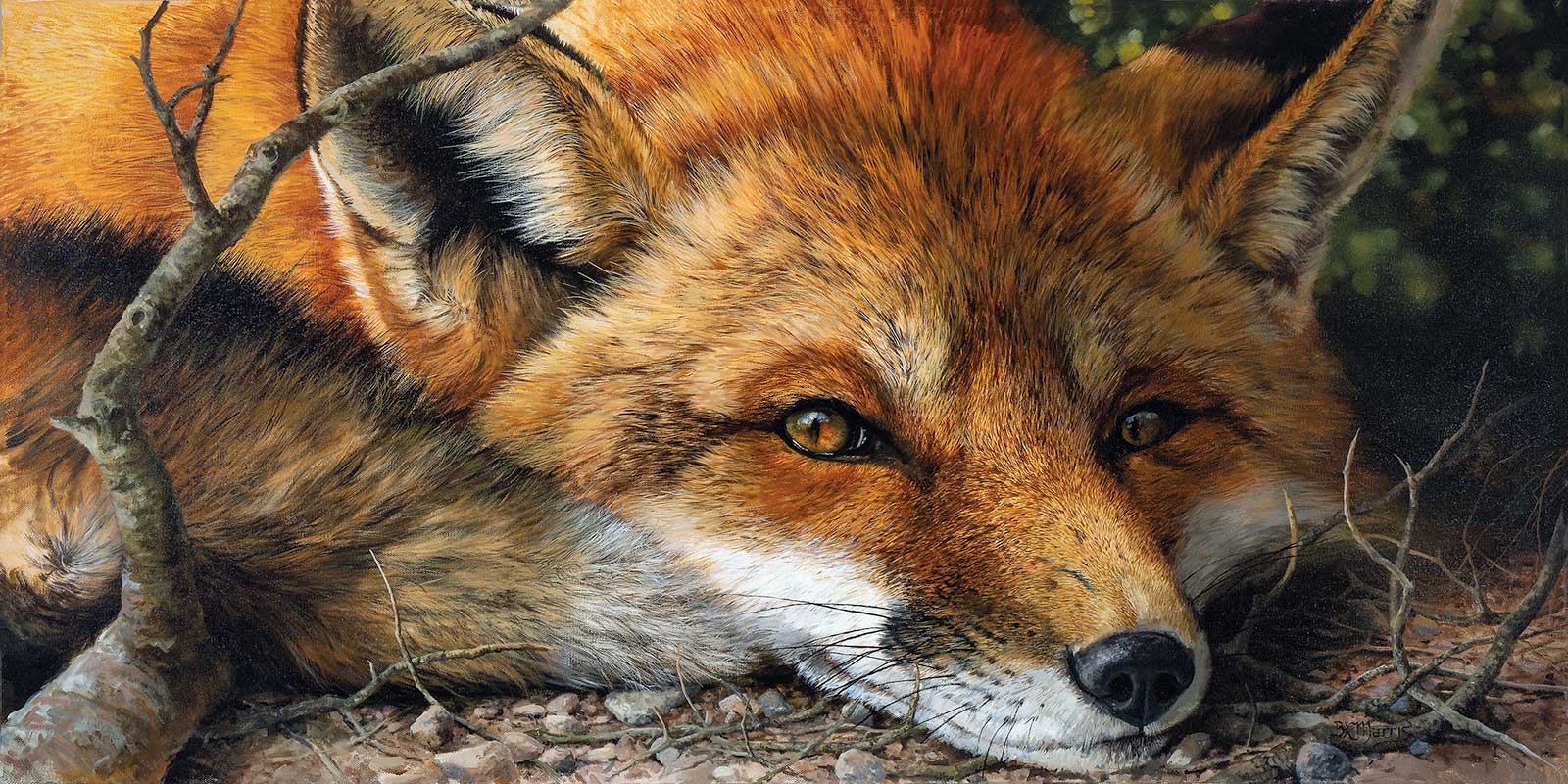 Trailside Galleries, Respite for Red, oil on canvas, 24 x 48", by Bonnie Marris.
Each time she starts a piece, Besse is thrown back in time to a moment she wishes to capture with her brush. Of course, with wild animals, there are many conditions that work against the artist. This is when observational skills kick in and enable Besse to design a painting reflecting how she felt when she was in the presence of one of the world’s magnificent creatures.
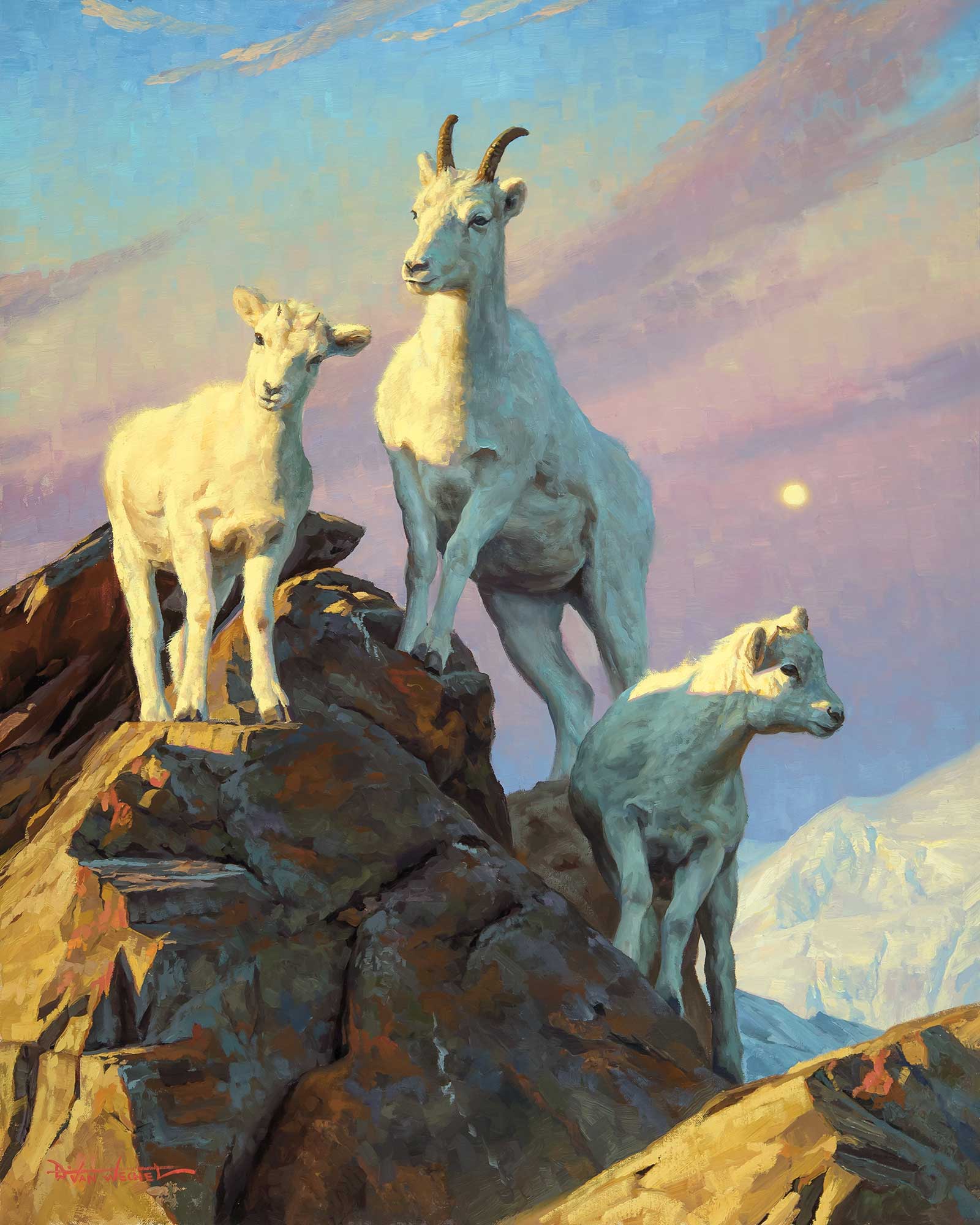 Trailside Galleries, Denali Dallings, oil on linen, 30 x 24"
Besse’s advice to wildlife art collectors is to find out the artist’s story. “If you are drawn to the art, you will find that knowing the artist’s inspiration will make the piece even more meaningful,” she furthers.
Like many wildlife artists, Patricia A. Griffin is many things. She is a wildlife painter, photographer, researcher, naturalist and conservationist. “Oil painting is the declaration—the testimony that fuels my choices of composition, light and shadow,” Griffin says. “Layers of luscious color create atmosphere surrounding form, bringing a moment into perpetual life; the wild extracted, into vibrating painting on linen. I use my work as a vehicle to awaken the concept and necessity of protecting and preserving that which is an integral part of existence.”
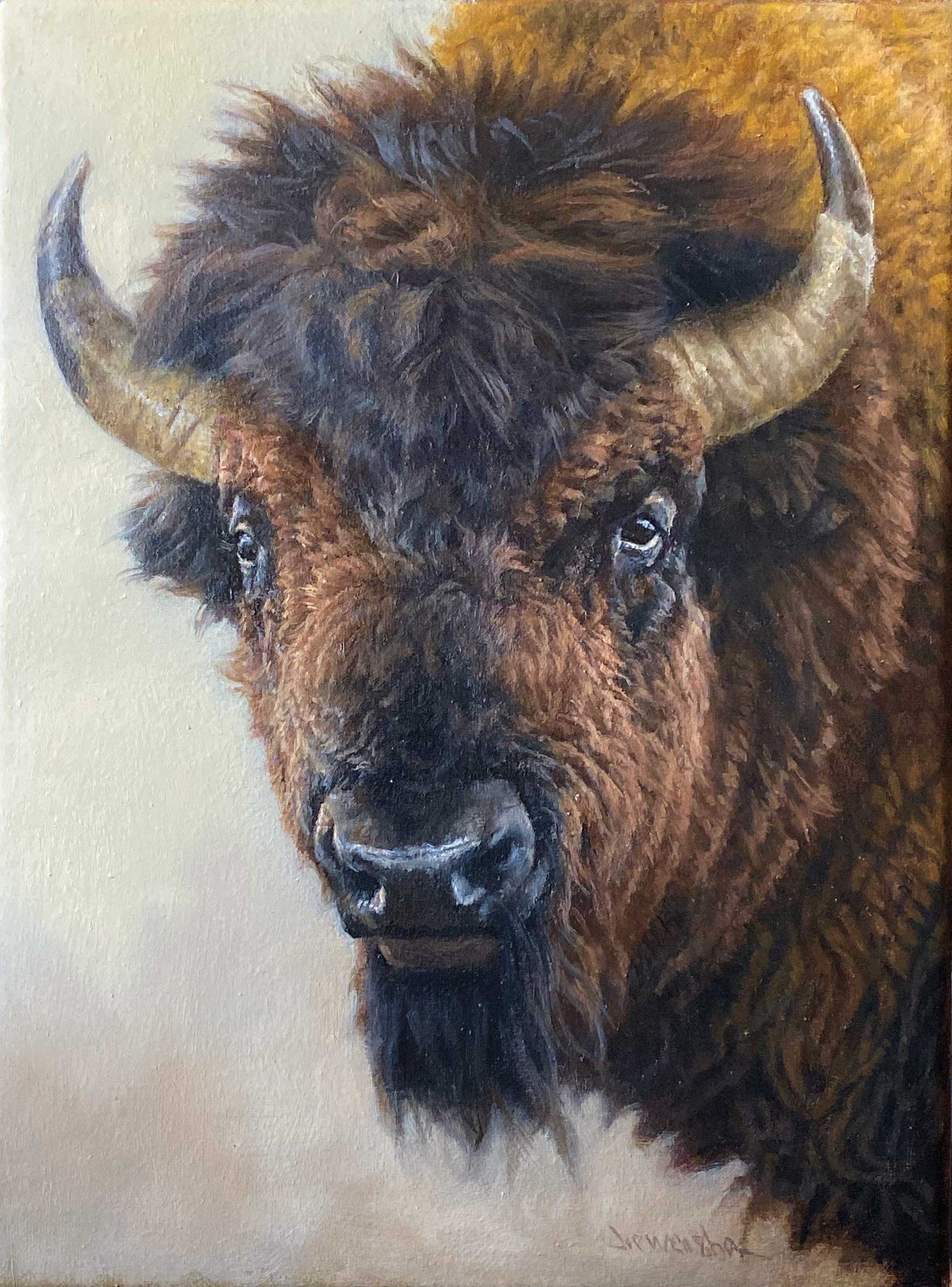 Trailside Galleries, Gaze, oil on canvas, 12 x 9", by Jie Wei Zhou.
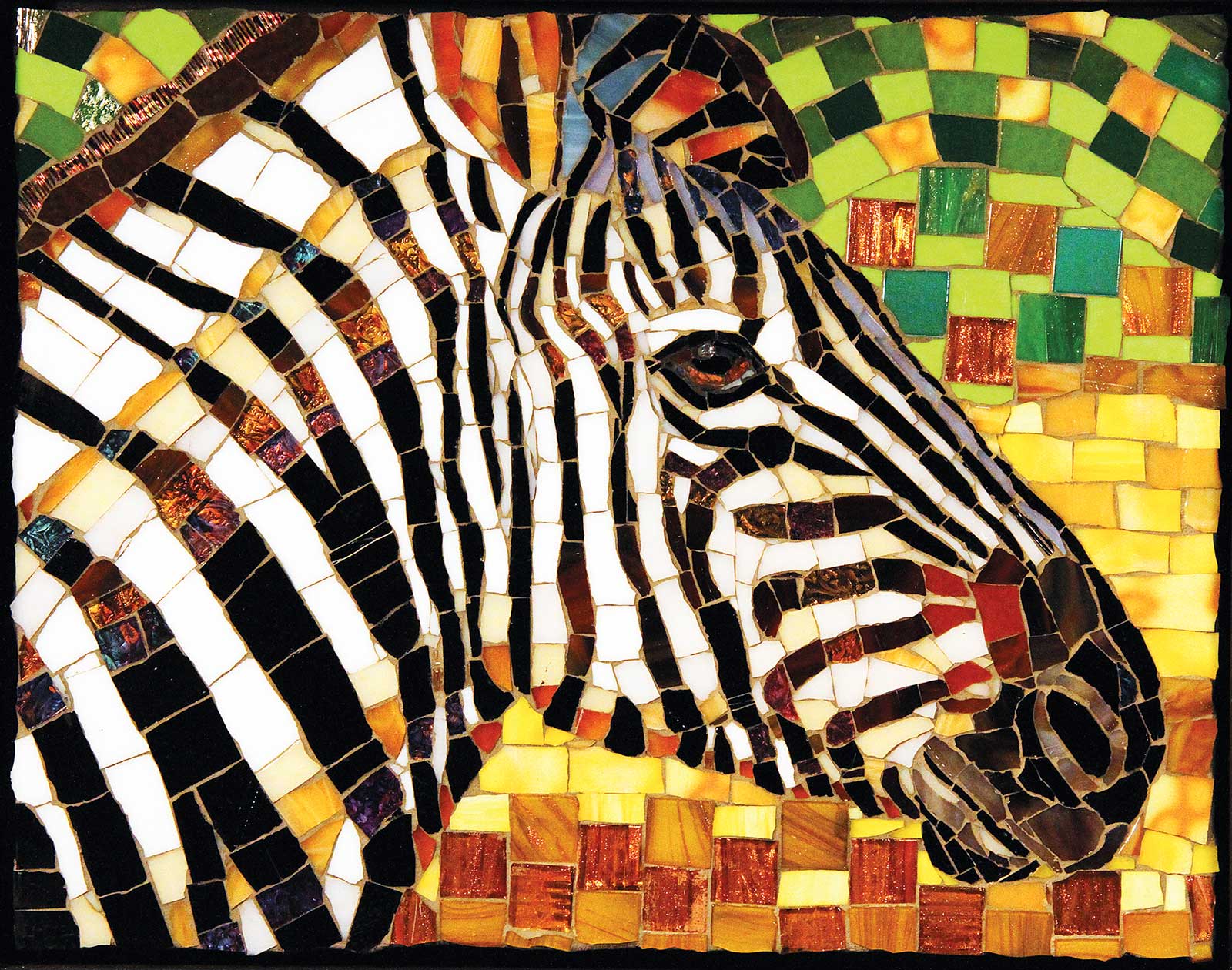 Cynthie Fisher, Burchell Zebra, glass mosaic, 11 x 14"
Griffin also shares that collecting wildlife art is an “opportunity to surround yourself with images to draw strength from, to get lost in and to be present with.”
Many wildlife masterpieces tell a story, and artist Teresa Lynn Johnson unfolds her own experiences in her work. “In We Meet Again, I met this grizzly face to face on a hiking trail in the Grand Tetons,” she explains. “The bison in Yellowstone captured my imagination of how they once roamed in complete freedom. The result is my newest work, To Roam Once More. Any subject with exquisite light inspires me, but to combine that with my love for wildlife, gives me the perfect combination for pure joy in creating.”
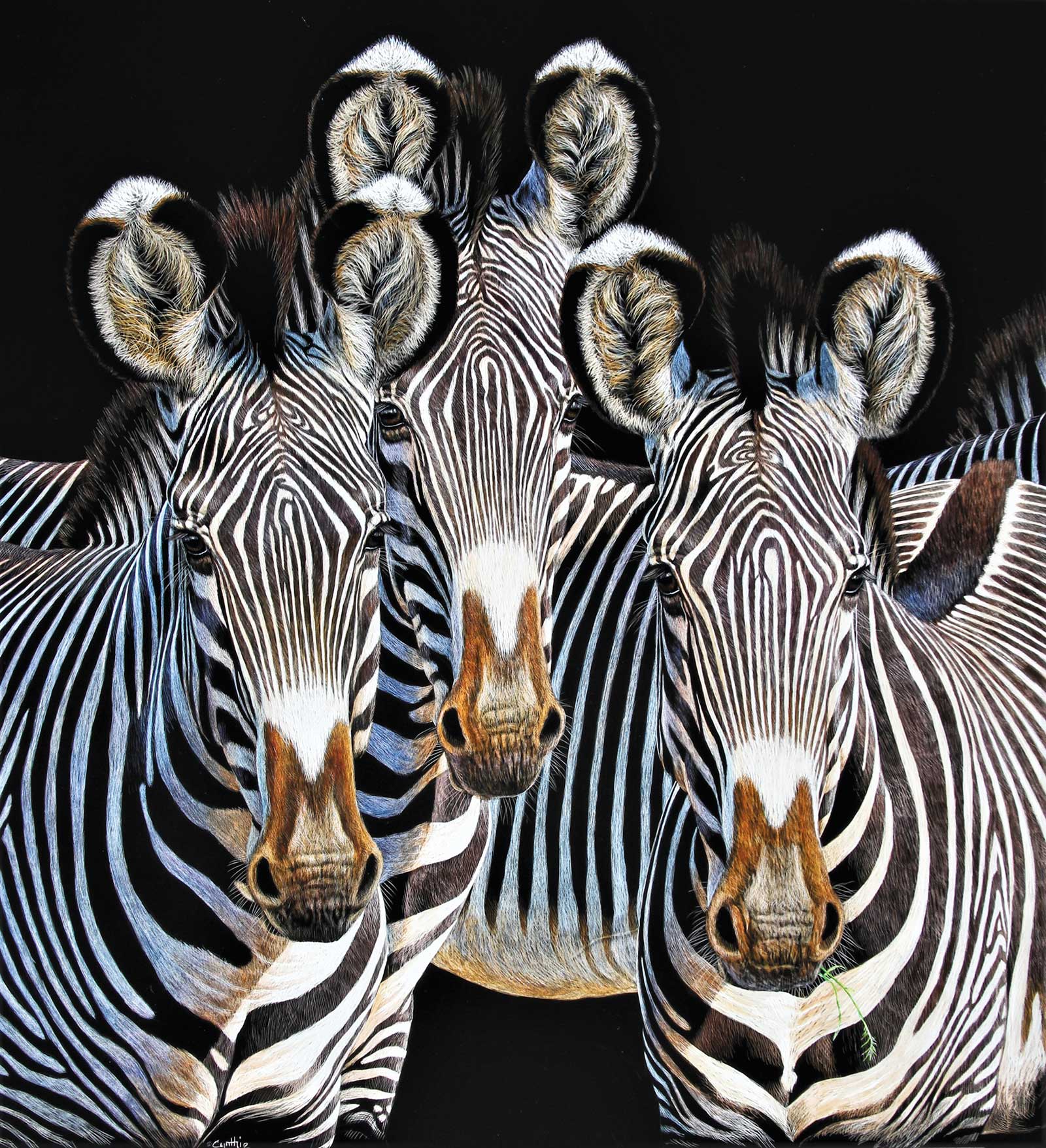 Cynthie Fisher, Three Grevy’s, scratchboard, 28 x 24"
When purchasing, Johnson recommends “finding artwork that captures your imagination for the story, even if the story you imagine is different than the artists.”
Born at the south end of the Adirondack Mountains and now living in Green Country, Oklahoma, Pamela Winters has always had a passion for life—both animals and people. “I pour my love of God’s craftsmanship; anatomical design, hair and feather patterns into each one of my bronze sculptures to tell a story and capture a moment in time,” Winters says. Her ability to render detail and emotion into her work has drawn collectors nationwide. Being able to translate stories and beauty of the created world into inspiring and lasting work is her joy.
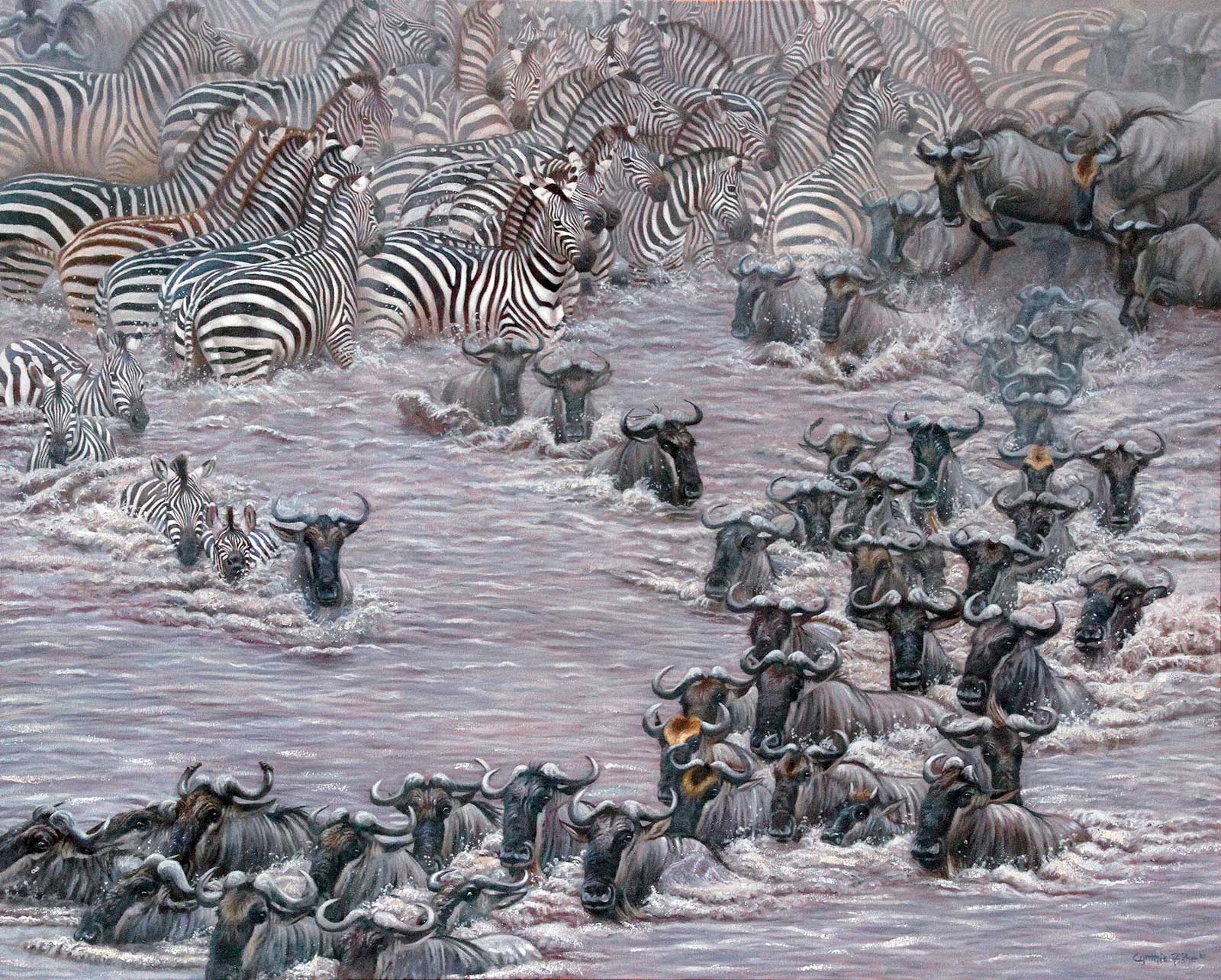 Cynthie Fisher, Pandemonium, oil on canvas, 48 x 60"
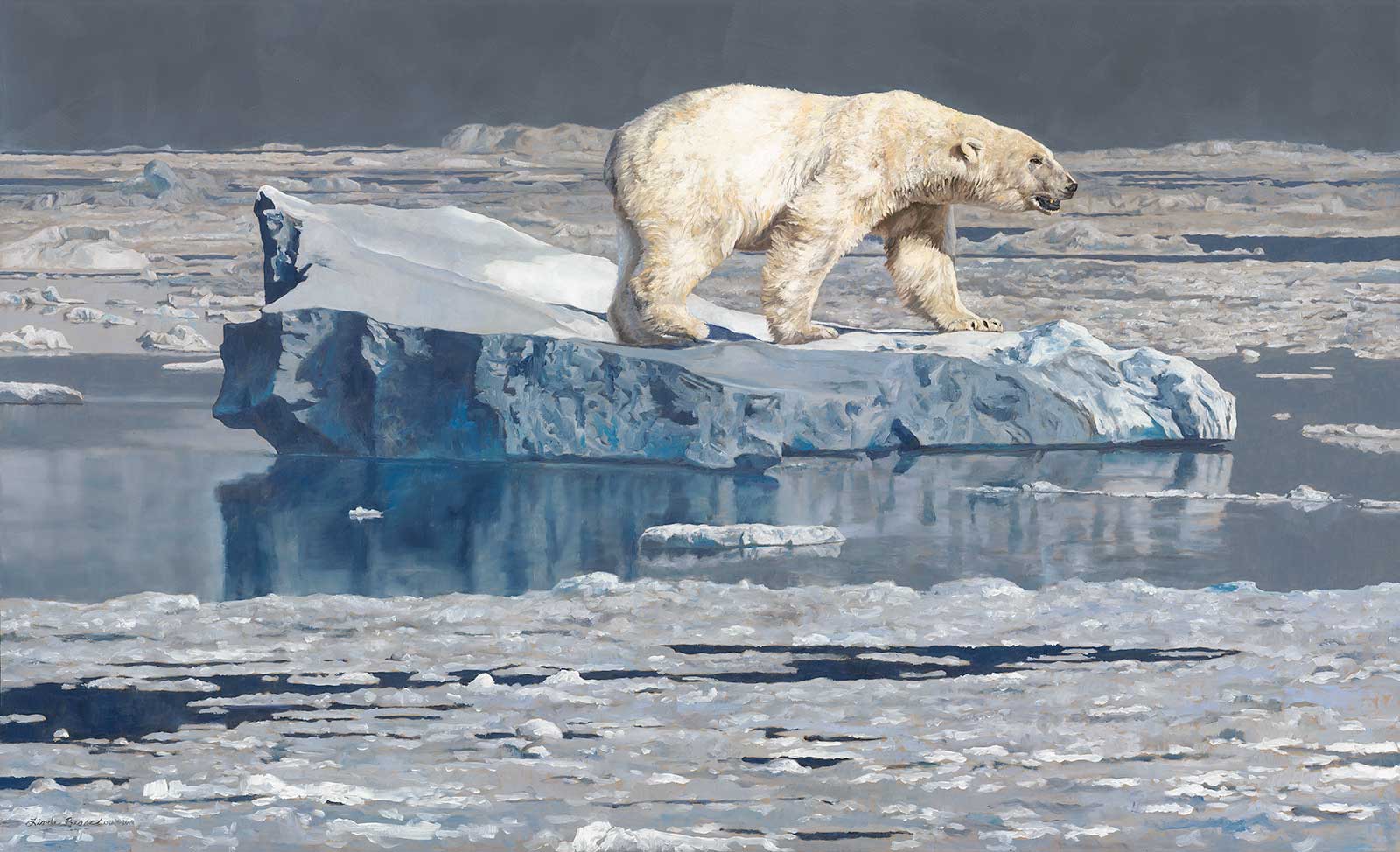 Linda Besse, Ice Bear, oil, 22 x 36"
“Your bronze sculpture is not only an investment, but a legacy,” says Winters on purchasing new work. “The lasting beauty of bronze sculpture allows you to bring the natural world into your home in a tangible way.”
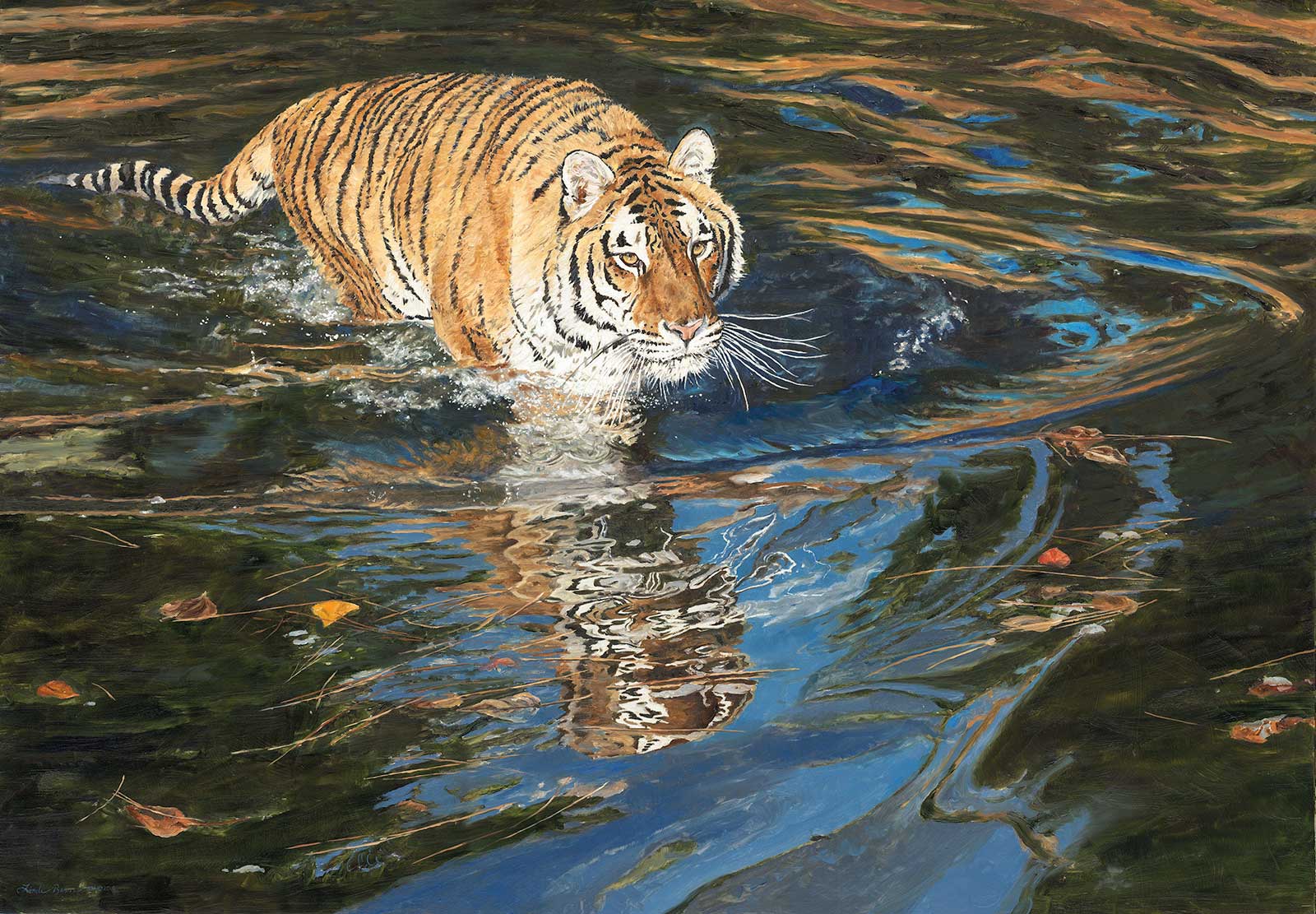 Linda Besse, Stealth – Amur Tiger, oil, 24 x 34"
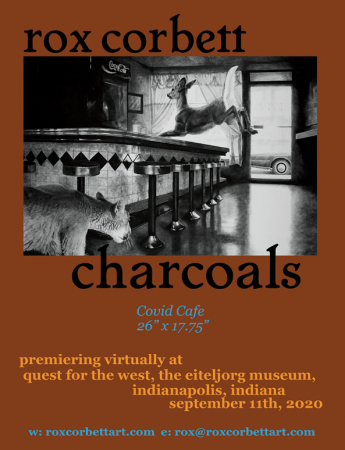
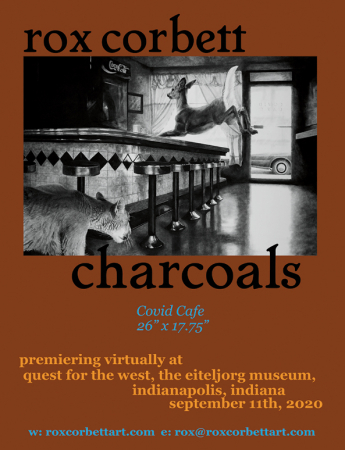
Rox Corbett comments on the strange, new times we’ve been thrust into, and how it has affected her work and mood. “I can’t pretend that the events of recent months haven’t affected me and what I decide to draw,” says Corbett. “Several of my most recent pictures are departures from what I usually portray, and they came unbidden. So, I guess I’ll just go along for the ride. My use of charcoal hasn’t changed; to me it’s a perfect medium for these strange days.” Her charcoal images portraying a range of animal species are dark and brooding, yet full of skill and impeccable vision.
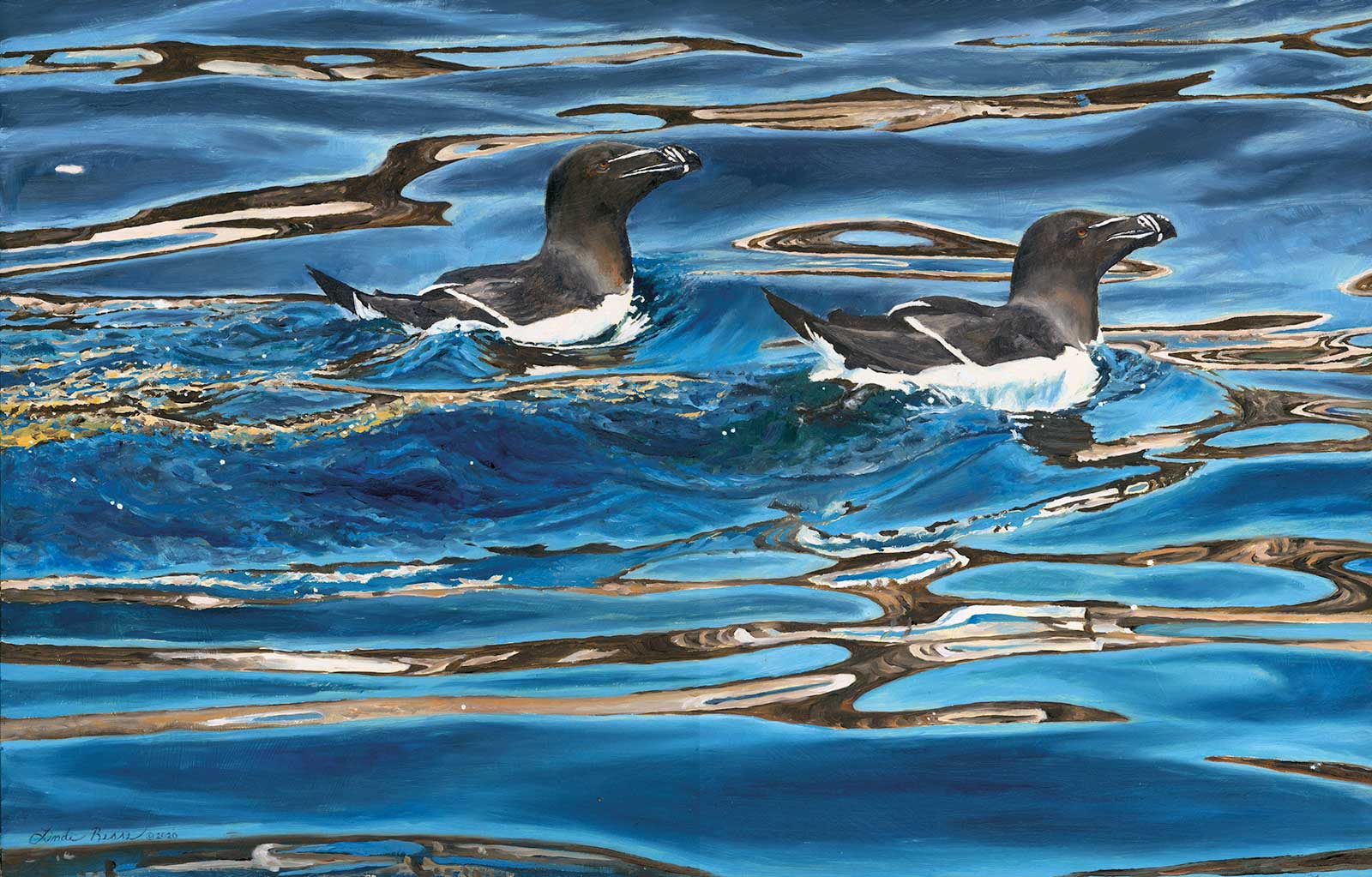 Linda Besse, Razor’s Edge, oil, 13 x 20"
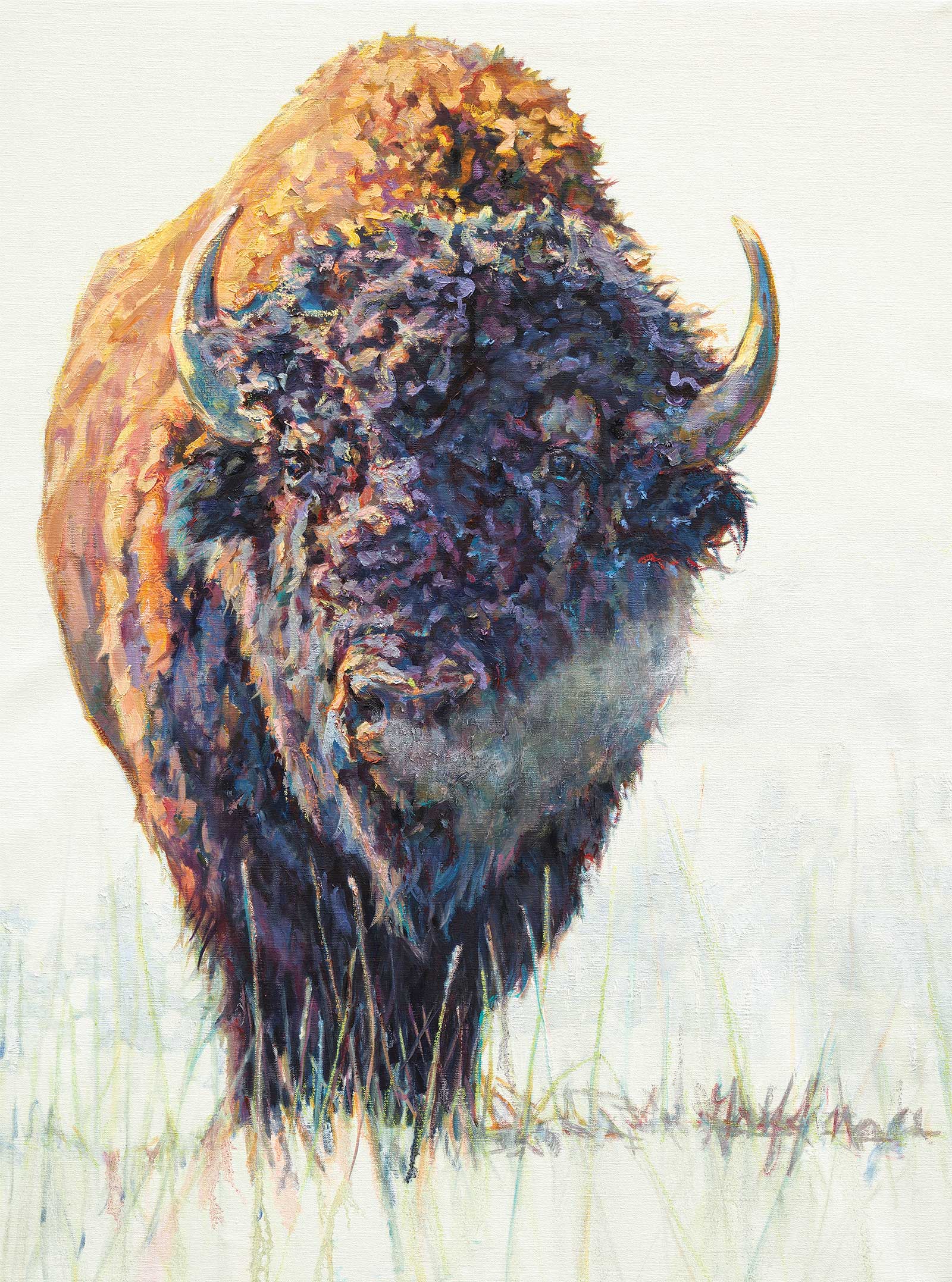 Patricia A. Griffin, Abel, oil on linen, 40 x 30"
Trailside Gallery wraps up the section with an important message. “Wildlife art continues to be one of the most collected genres of art in the country. Given the heightened awareness of climate change and fragile ecosystems, wildlife art can create bonds across the human-animal divide. That said, however, we are now living in the midst of what has been called the sixth mass extinction in Earth’s history. Often in wildlife art, animals are depicted to appear as if they are thriving, when sadly, they are under assault by humans and shrinking habitats. Now more than ever, wildlife artists can and should create works that are esthetically pleasing but they also have the unique opportunity to create imagery that keeps us from being lulled into a state of complacency.”
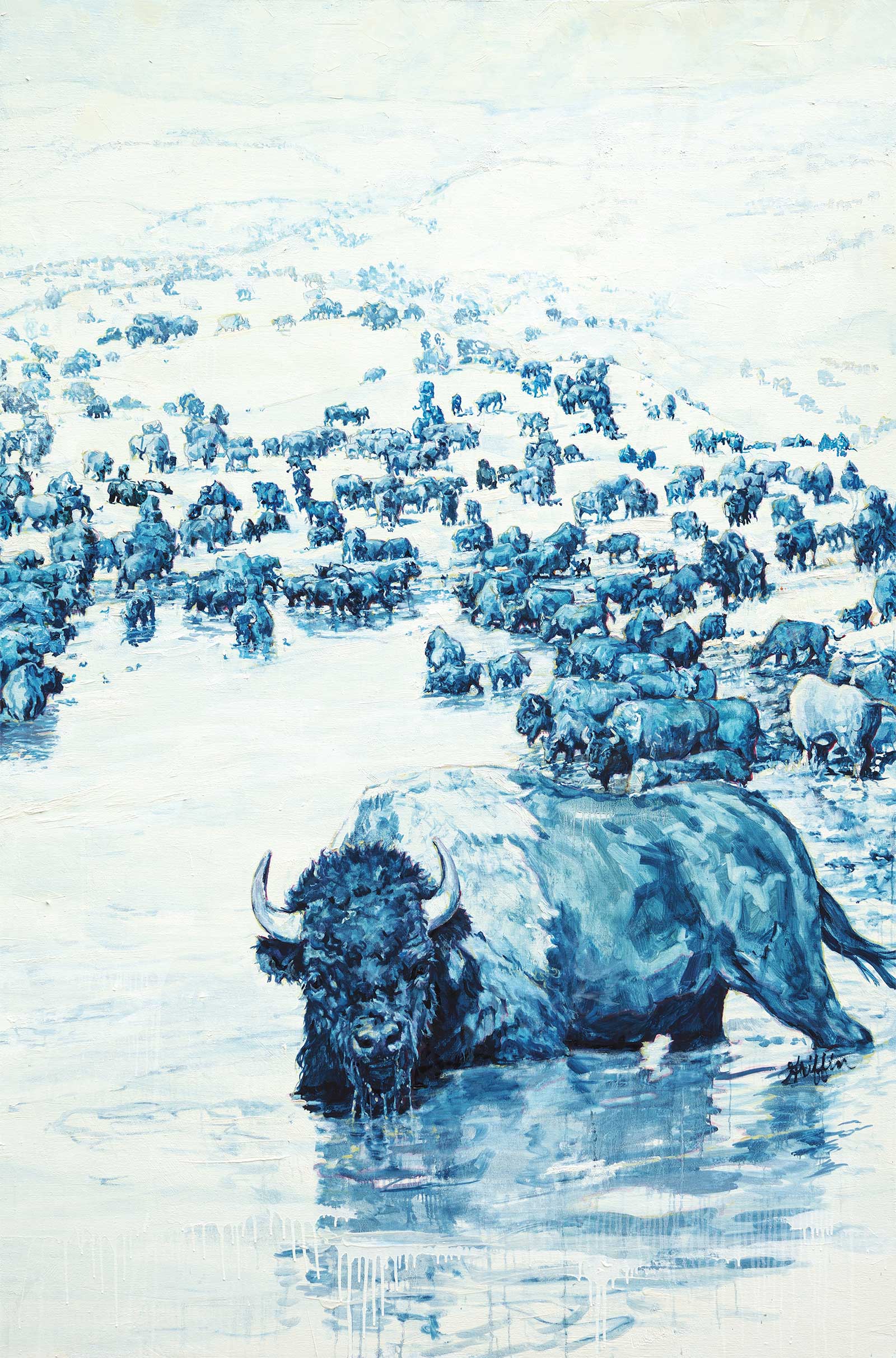 Patricia A. Griffin, 1868 – One Panel in the Migration Series Triptych, oil on linen, 72 x 144"
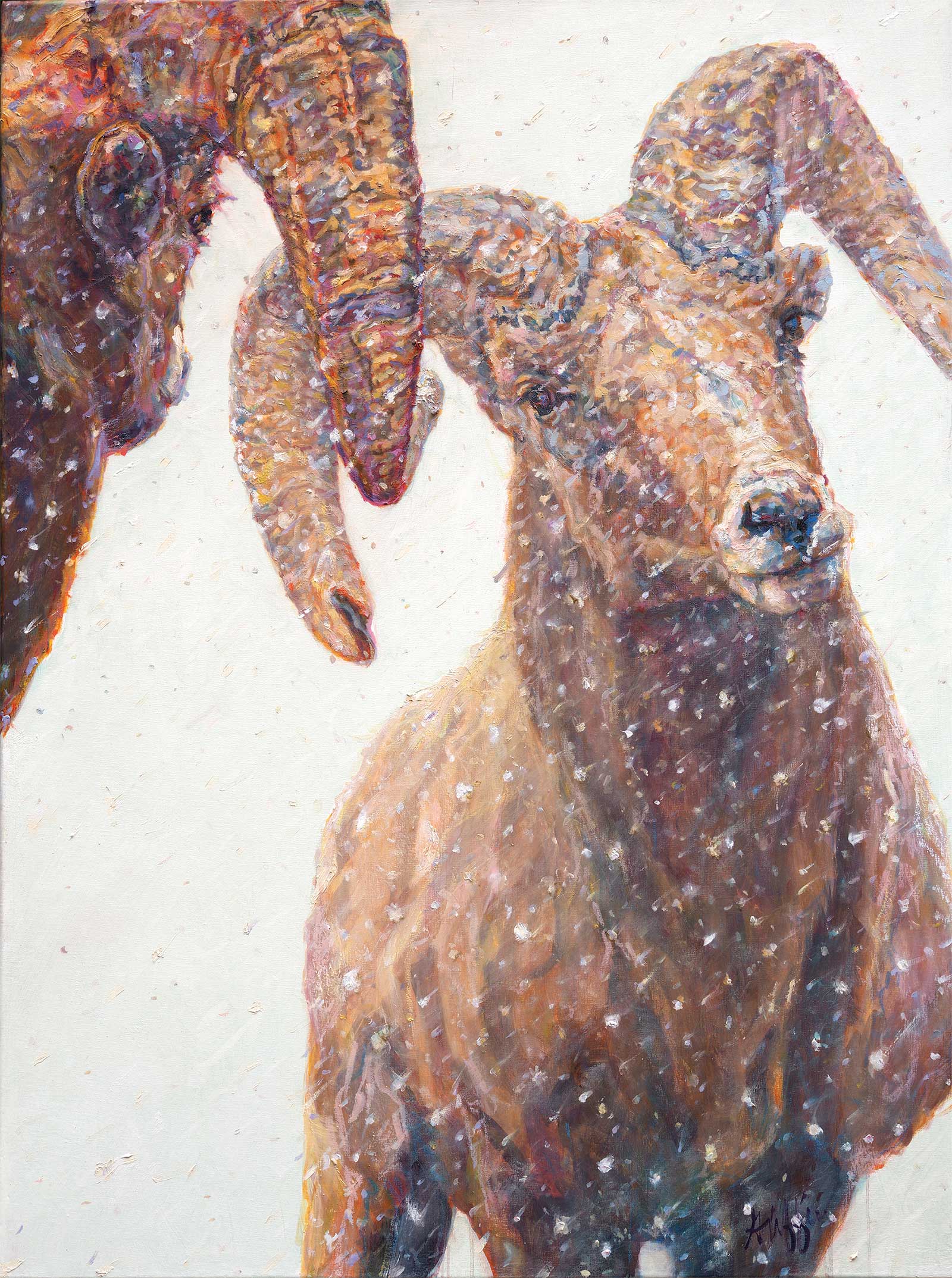 Patricia A. Griffin, Snow King, oil on linen, 40 x 30"
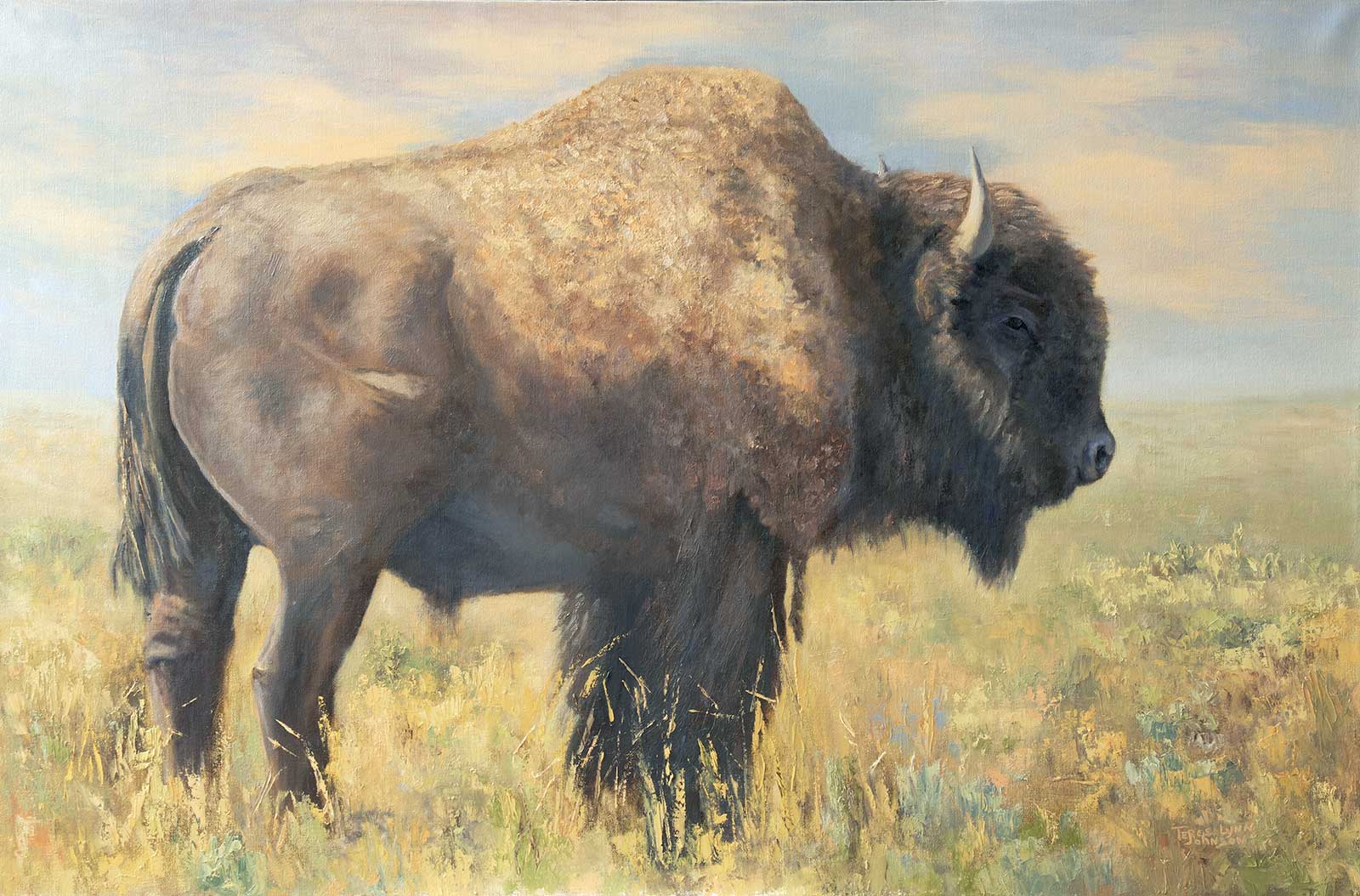 Teresa Lynn Johnson, To Roam Once More, oil on linen, 24 x 36"
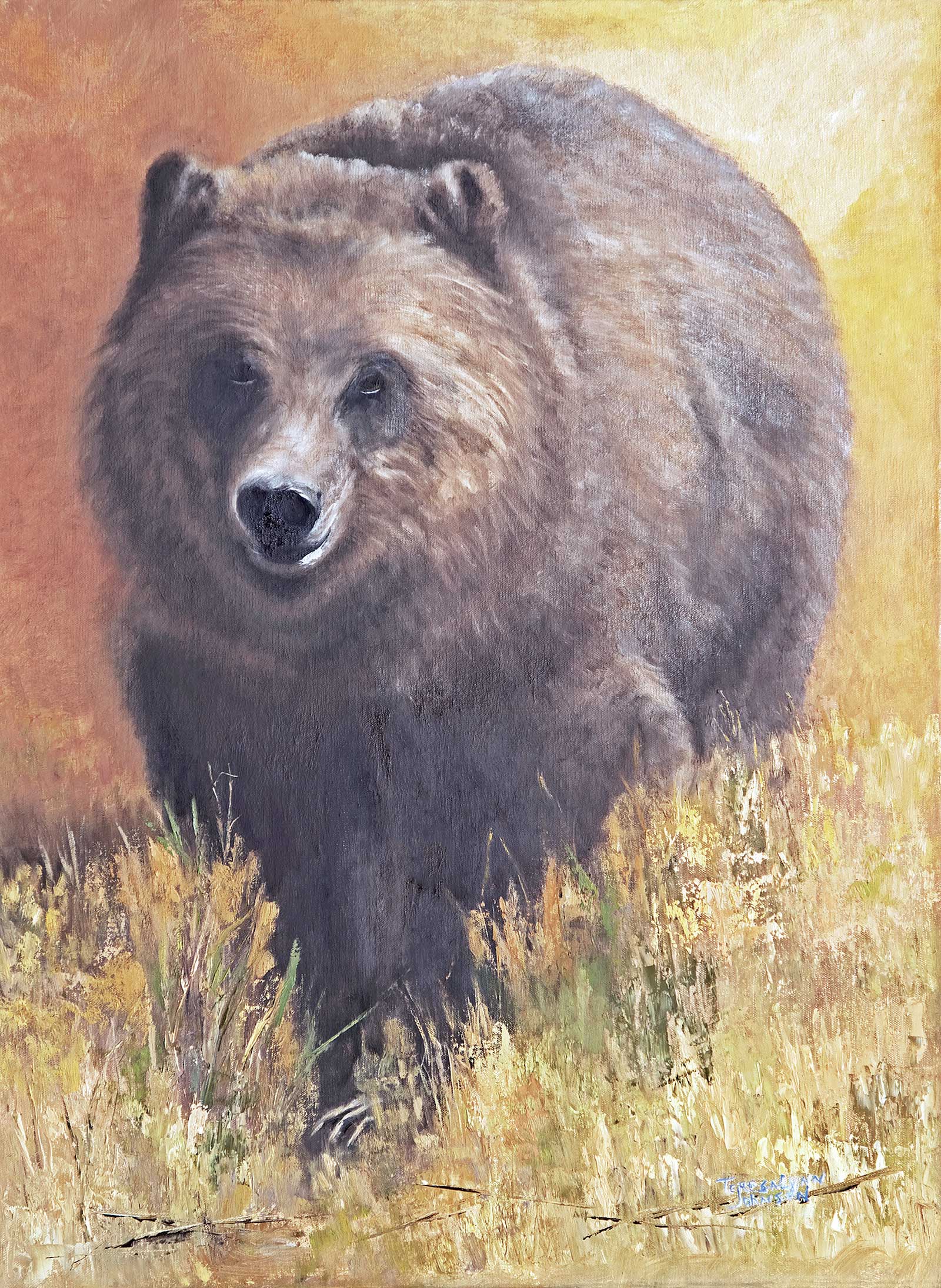 Teresa Lynn Johnson, We Meet Again, oil on linen, 24 x 18"
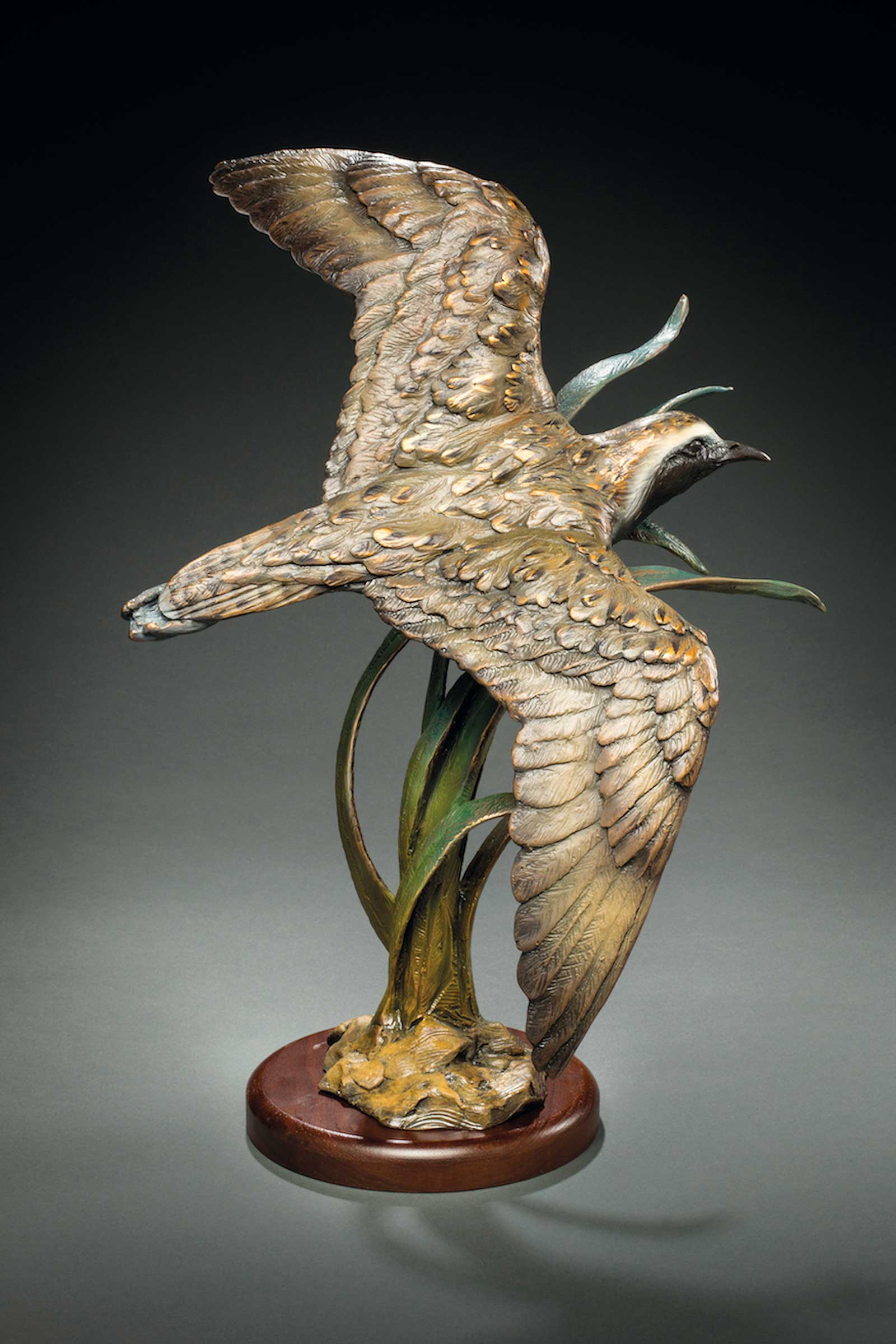 Raymond Gibby, Flying Plover, bronze, ed. of 15, 15 x 11½ x 11"
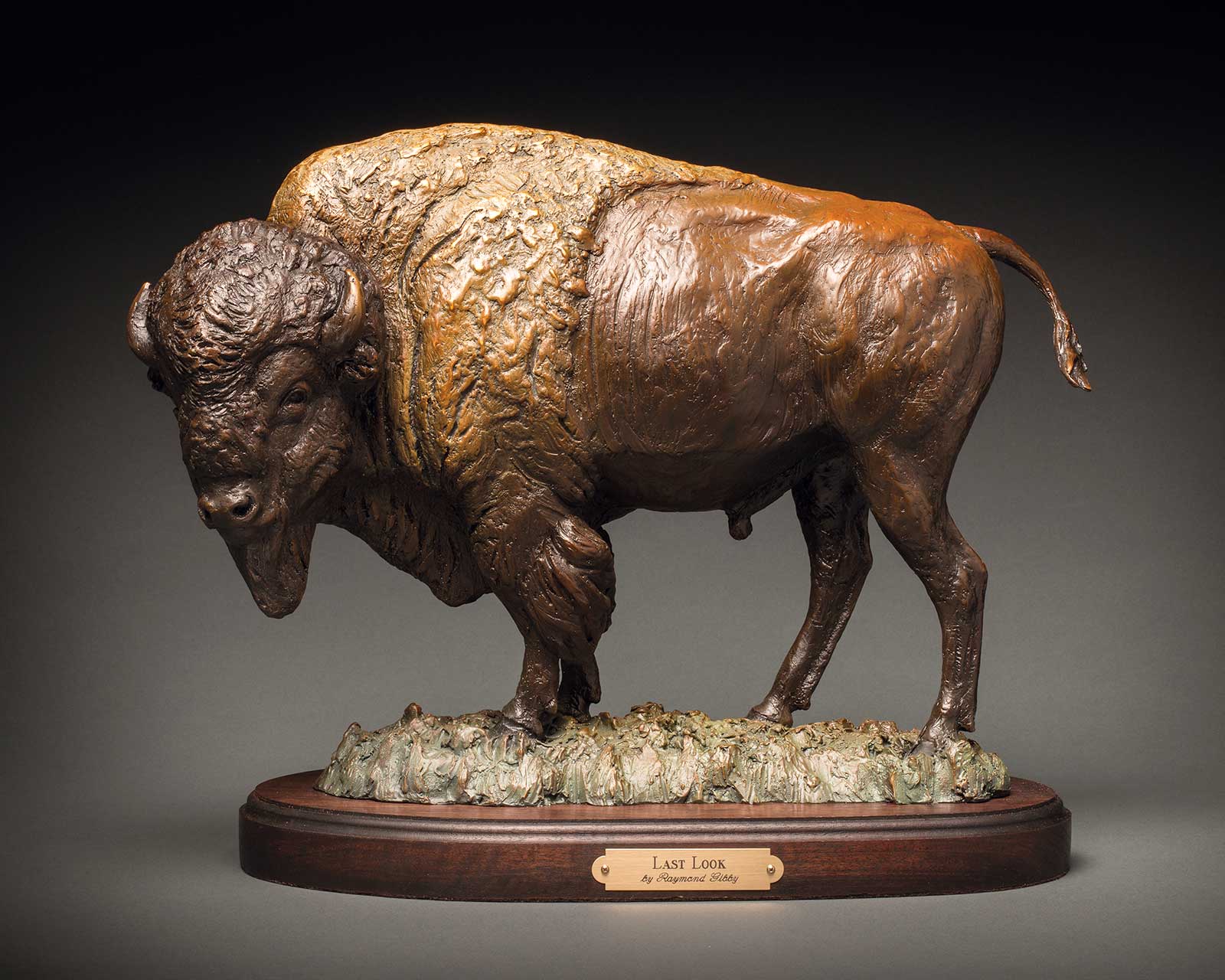 Raymond Gibby, Last Look, bronze, ed. of 20, 14 x 20 x 8"
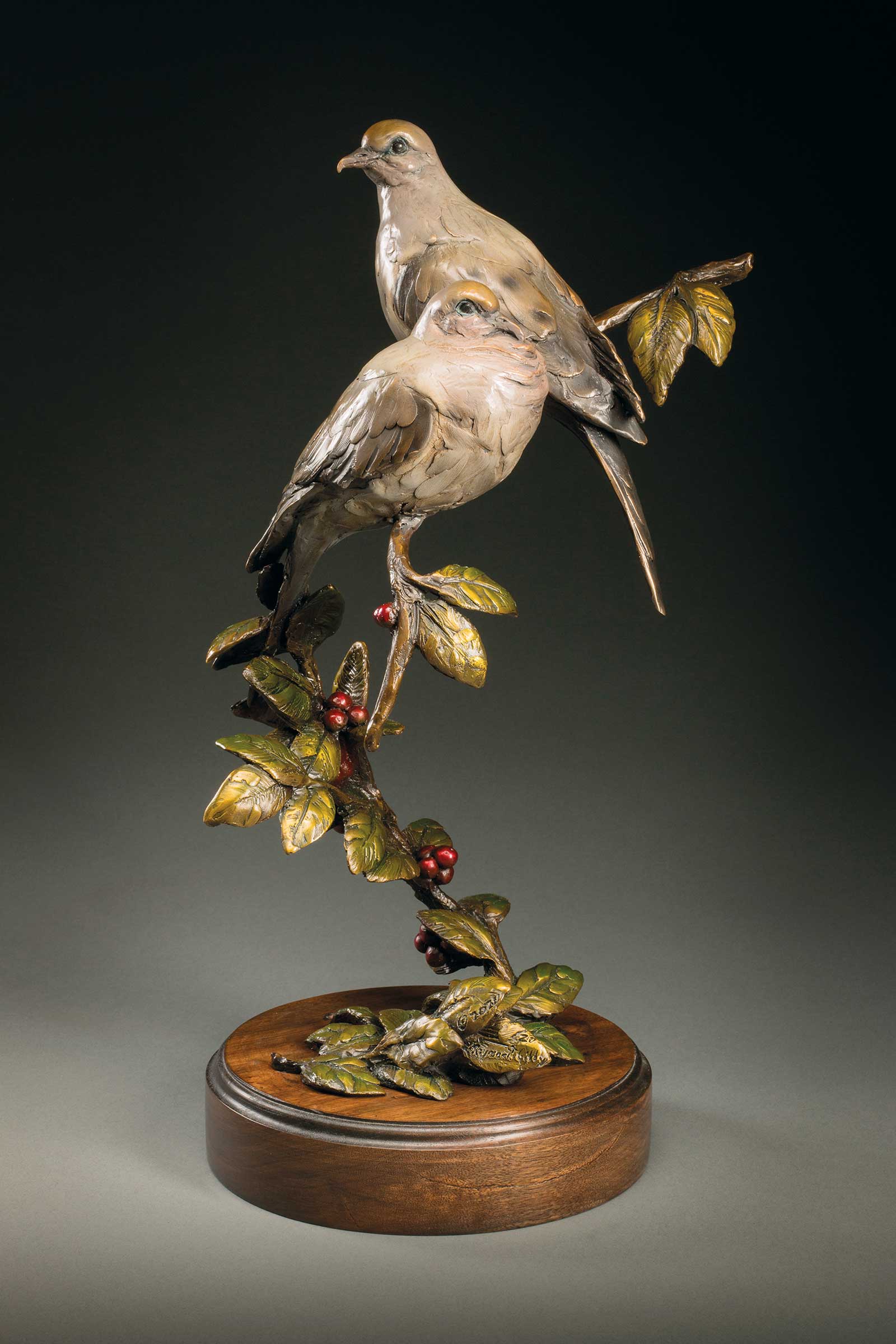 Raymond Gibby, Mourning Doves, bronze, ed. of 20, 19 x 11 x 8"
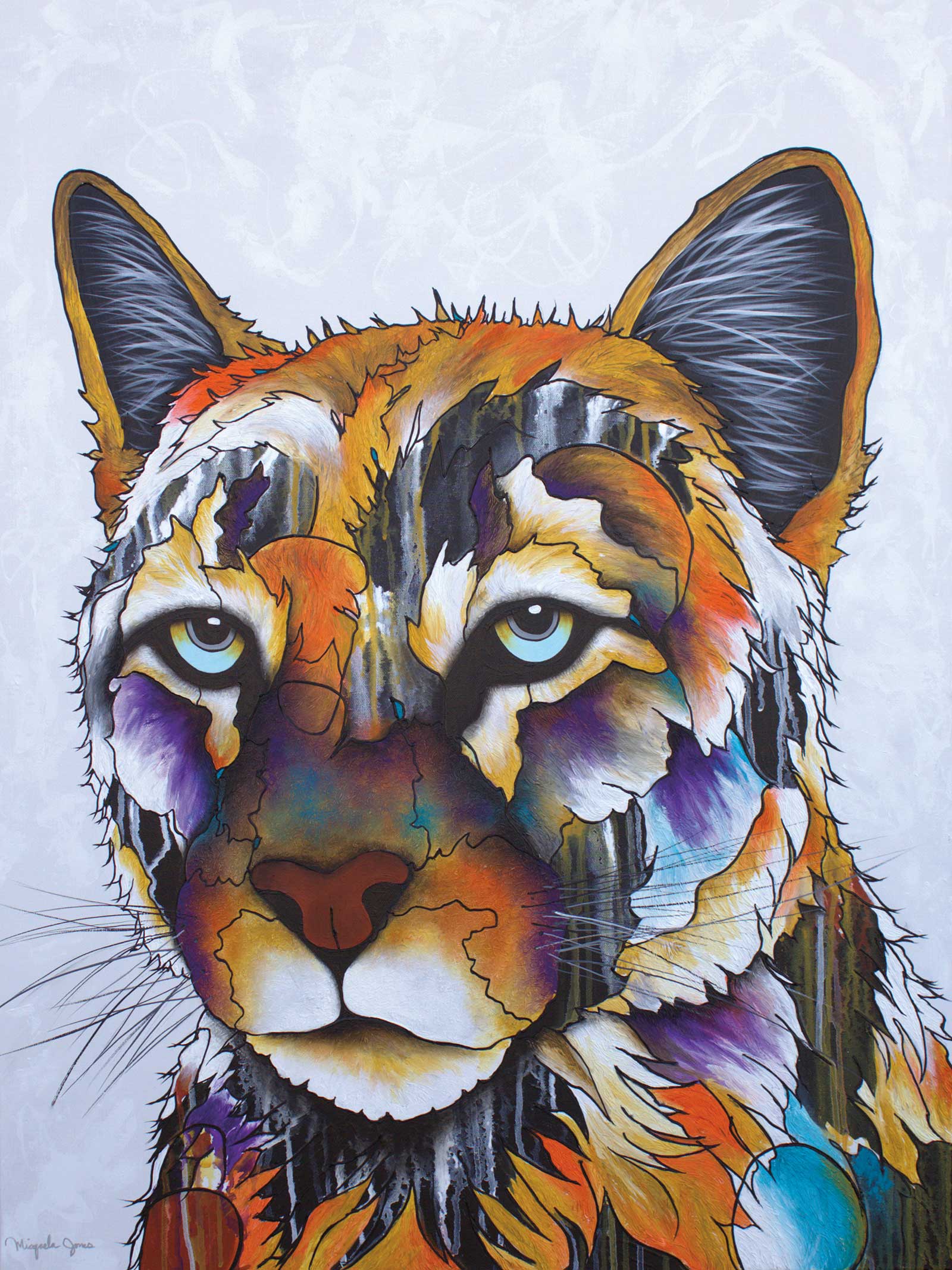 Desert Caballeros Western Museum, Tenacious Soul, acrylic on canvas, 40 x 30", by Micqaela Jones.
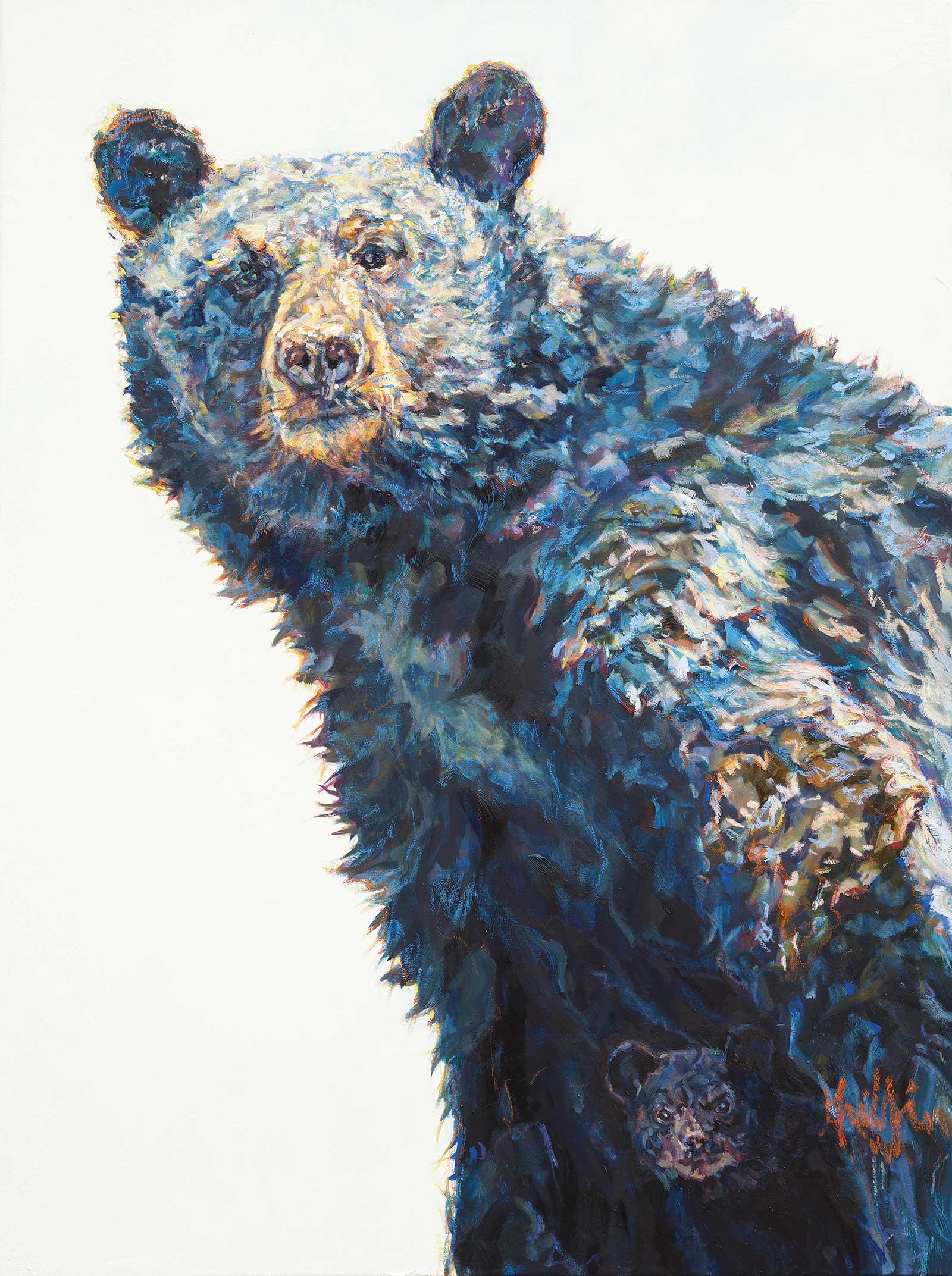 Desert Caballeros Western Museum, Marilyn and Monroe, oil on linen, 41 x 31", by Patricia A. Griffin.
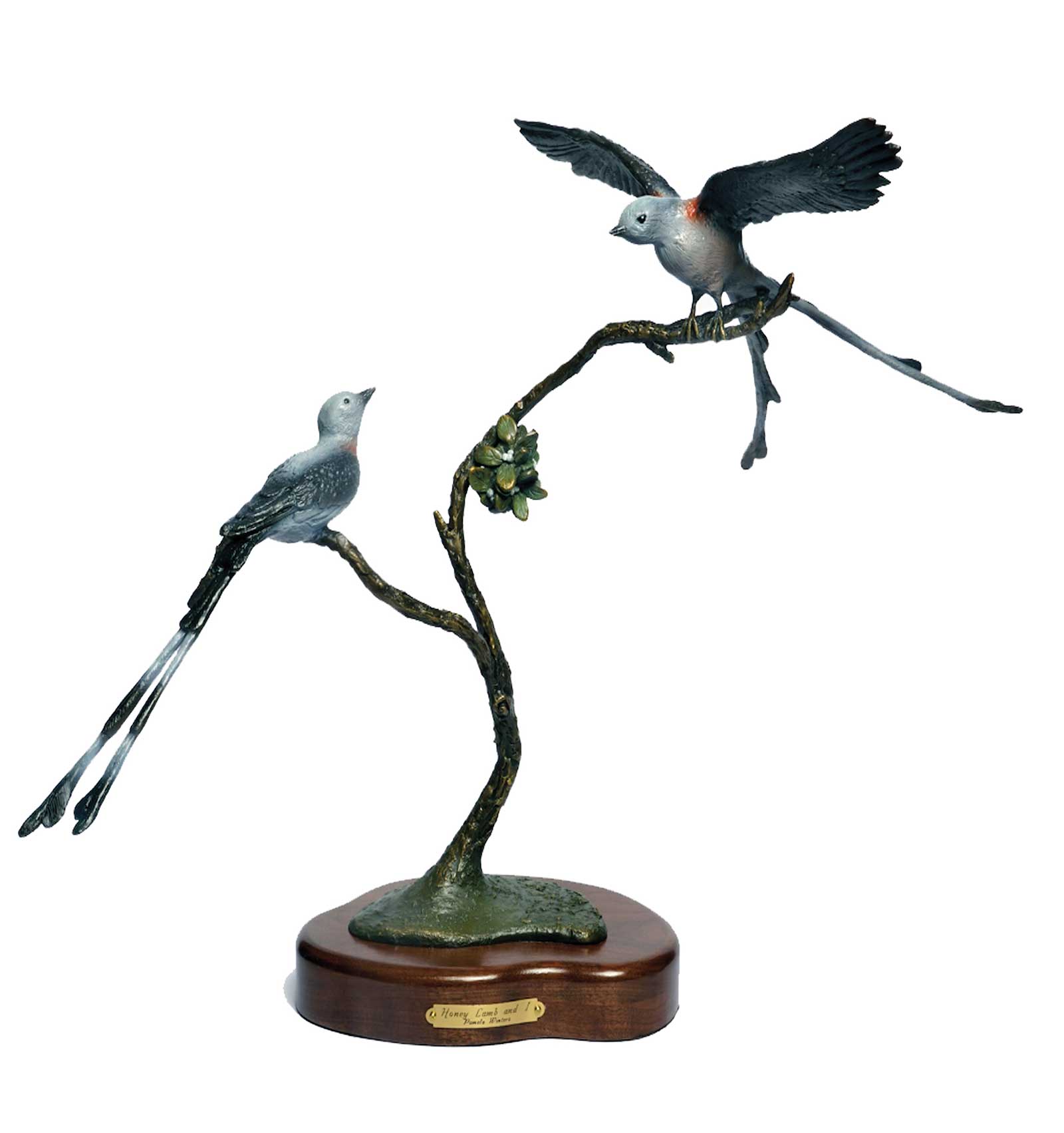 Pamela Winters, Honey Lamb and I, bronze, 26 x 12 x 20"
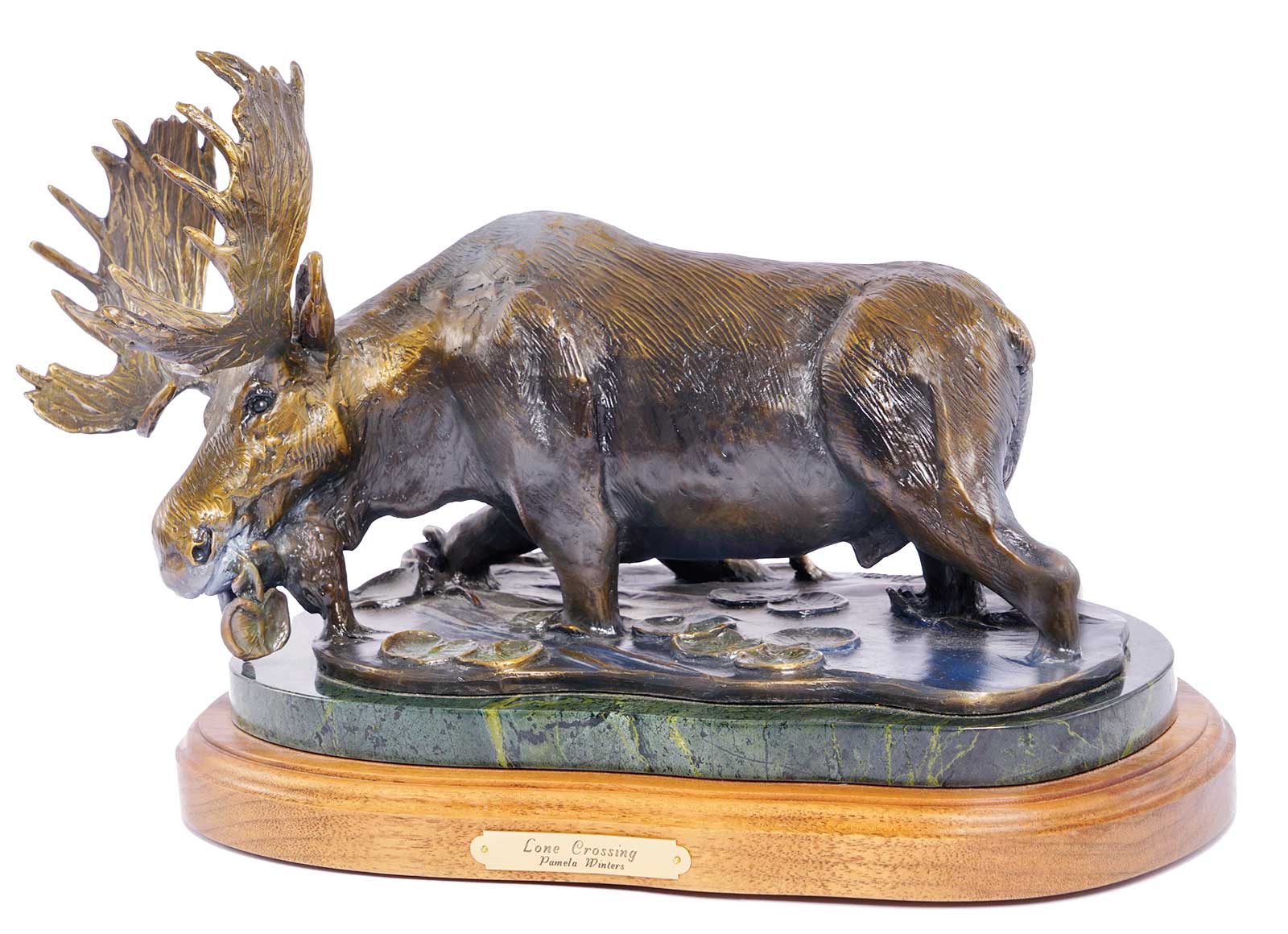 Pamela Winters, Lone Crossing, bronze, 16 x 9 x 11”
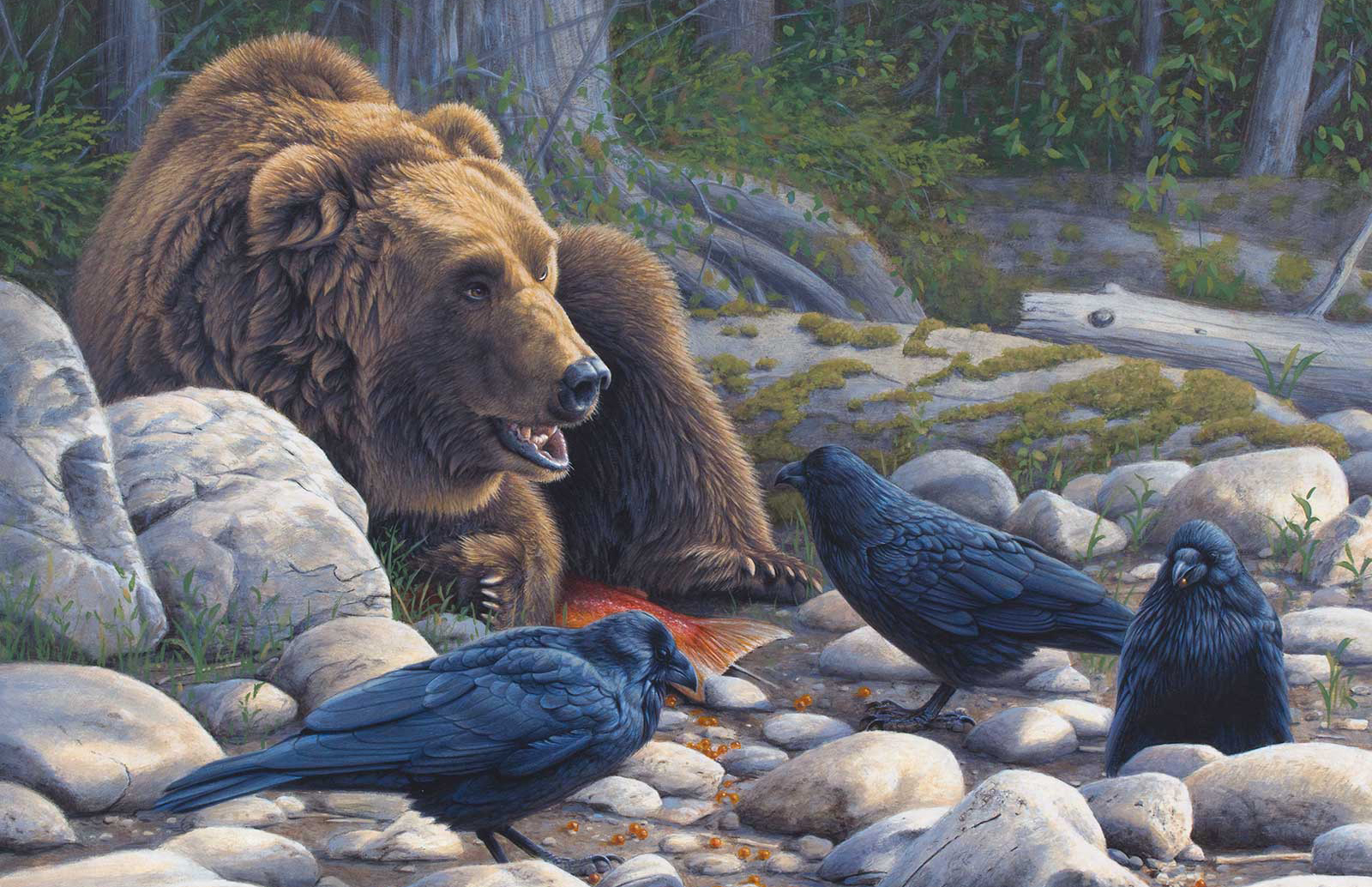 Trailside Galleries, Lifeblood of the River, acrylic on board, 20 x 24", by Shawn Gould.
Featured Artists & Galleries
Cher Anderson
(602) 571-80984, cherscreations@cox.net
www.cherscreations.com
Cindy Sorley-Keichinger
(780) 847-2294, goldfarm@telusplanet.net
www.goldenkstudio.com
Cynthie Fisher
(406) 375-1445, cynthieart@gmail.com
www.cynthiesoriginals.com
Desert Caballeros Western Museum
21 N. Frontier Street, Wickenburg, AZ 85390
(928) 684-2272, www.westernmuseum.org
Helen F. Howerton
(918) 494-5994, hfhowerton@att.net
www.howertonart.com
Jeremy Bradshaw
(509) 212-2513, bradshawsculpture@gmail.com
www.bradshawsculpture.com
Johanna Lerwick
(607) 336-6218, info@johannalerwick.com
www.johannalerwick.com
Laurie Riley
laurie@laurieriley.com, www.artofthewild.com
Linda Besse
(505) 238-9129, linda@besseart.com
www.besseart.com
Lisa Gleim
Atlanta, Georgia, Big Sky, Montana
(770) 919-7719, lisa@lisagleimfineart.com
www.lisagleimfineart.com
Manitou Galleries
123 W. Palace Avenue, Santa Fe, NM 87501
225 Canyon Road, Santa Fe, NM 87501,
info@manitougalleries.com
www.manitougalleries.com
Pamela Winters
Tulsa, OK, (918) 639-2112
www.winterssculptures.com
Patricia A. Griffin
(570) 656-2335, www.patriciaagriffin.com
Raymond Gibby
(479) 546-7645, gibbybronze@gmail.com
www.gibbybronze.com
Rimrock Gallery
405A NW Third Street, Prineville, OR 97754
(541) 903-5565, info@rimrockgallery.com
www.rimrockgallery.com
Rox Corbett
(307) 213 0166, rox@roxcorbettart.com
www.roxcorbettart.com
Sandy McDaniel
sandymcdaniel@mac.com, www.sandymcdanielart.com
Southeastern Wildlife Exposition
Charleston, South Carolina,
(843) 723 – 1748, sewe@sewe.com, www.sewe.com
Teresa Lynn Johnson
457B Road 3000, Aztec, NM 87410
(505) 334-1744, www.teresaj.com
Thomas G. Lewis
546 Grand Drive, Bigfork, MT 59911
(406) 249-2782, www.thomasglewis.com
Trailside Galleries
130 E. Broadway Avenue, Jackson Hole, WY 83001
info@trailsidegalleries.com, www.trailsidegalleries.com
Wilde Meyer Gallery
4142 N. Marshall Way, Scottsdale, AZ 85251
(480) 945-2323; 2890 E Skyline Dr, Suite 170, Tucson, AZ 85718, (520) 615-5222
www.wildemeyer.com
Wing Na Wong
(203) 253-8436, www.wingnawong.com
Powered by Froala Editor