Known for glossy, action-packed photos of cowboys and the landscapes they roam, Jim Krantz shoots for blue-chip brands and anyone who believes the idea of the cowboy means more than the clothes they wear. His personal work echoes those advertising images and detours into territory mapped in his recent coffee table book, Frontier,which ranges from stark, black-and-white rodeo photos to psychedelic images made with paint, gels and alternative processes.
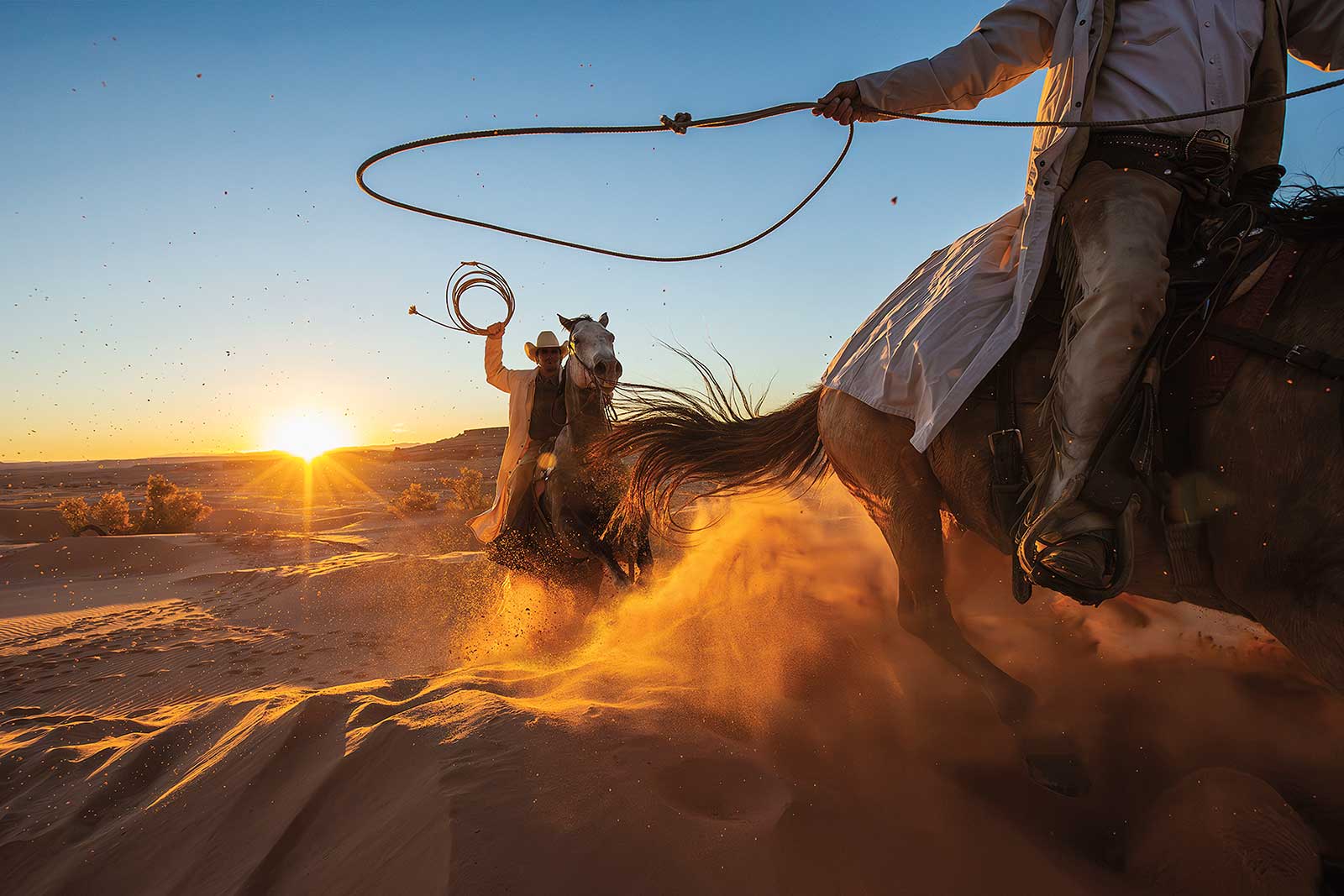
Frontier No. 6, archival pigment print, 40 x 60 in.
Over the past 40 years, Krantz’s work has taken him to literal frontiers like bullfights, the ruins of Chernobyl, and Edwards Air Force Base where he photographed test pilots and their steeds (cowboys of the sky, if you will). To many, Krantz is known for his Marlboro campaigns. Continuing after photographers like Norm Clasen, Krantz came on the scene just as the sun was setting on the Marlboro Man, an archetype laid to rest by regulation and mounting health concerns, though its legacy still looms large in Western art.
“The reason that cowboys are so relevant is because to me, it’s that one icon and one symbol that is so truly American that it’s unmistakable. I mean, when you see a cowboy on his horse in his Stetson, just the silhouette alone is enough to say 'America,’” Krantz says.
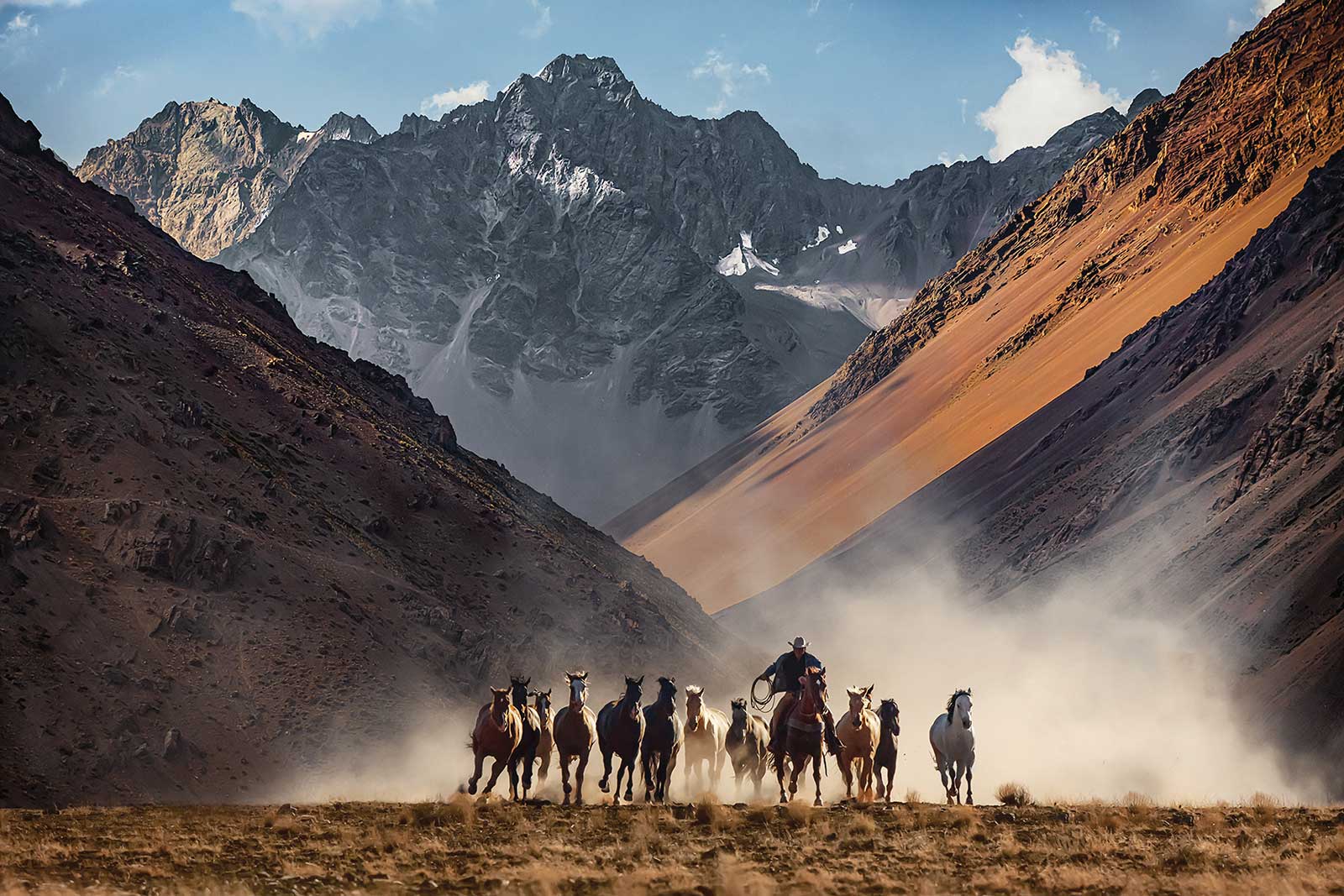
Frontier No. 7, 2018, archival pigment print, 40 x 60 in.
Sweeping John Ford landscapes. Dust cascading off a bucking bull. Weathered hands smoking, suggesting ritual, reprieve from a life that’s surely been about toil. Krantz’s perspective on the Western story varies, he tells us. “It’s where you stand and when you shoot,” he explains. “Sometimes I compose a frame and I wait for the action to go into it, kind of like you’re fishing. The frame’s beautiful…the mountain here, the landscape there, the river here. And I compose that and I wait for the action to fall into it…Other times I follow the action.” In either scenario, it’s vital to work quickly while staying in the moment. “I practice a lot. I shoot a lot. And I guess it’s like an athlete, if you’re not constantly in the gym, when it’s time to compete, you’re not going to win,” he adds, echoing an Ansel Adams truism: Technical proficiency leads to artistic freedom.
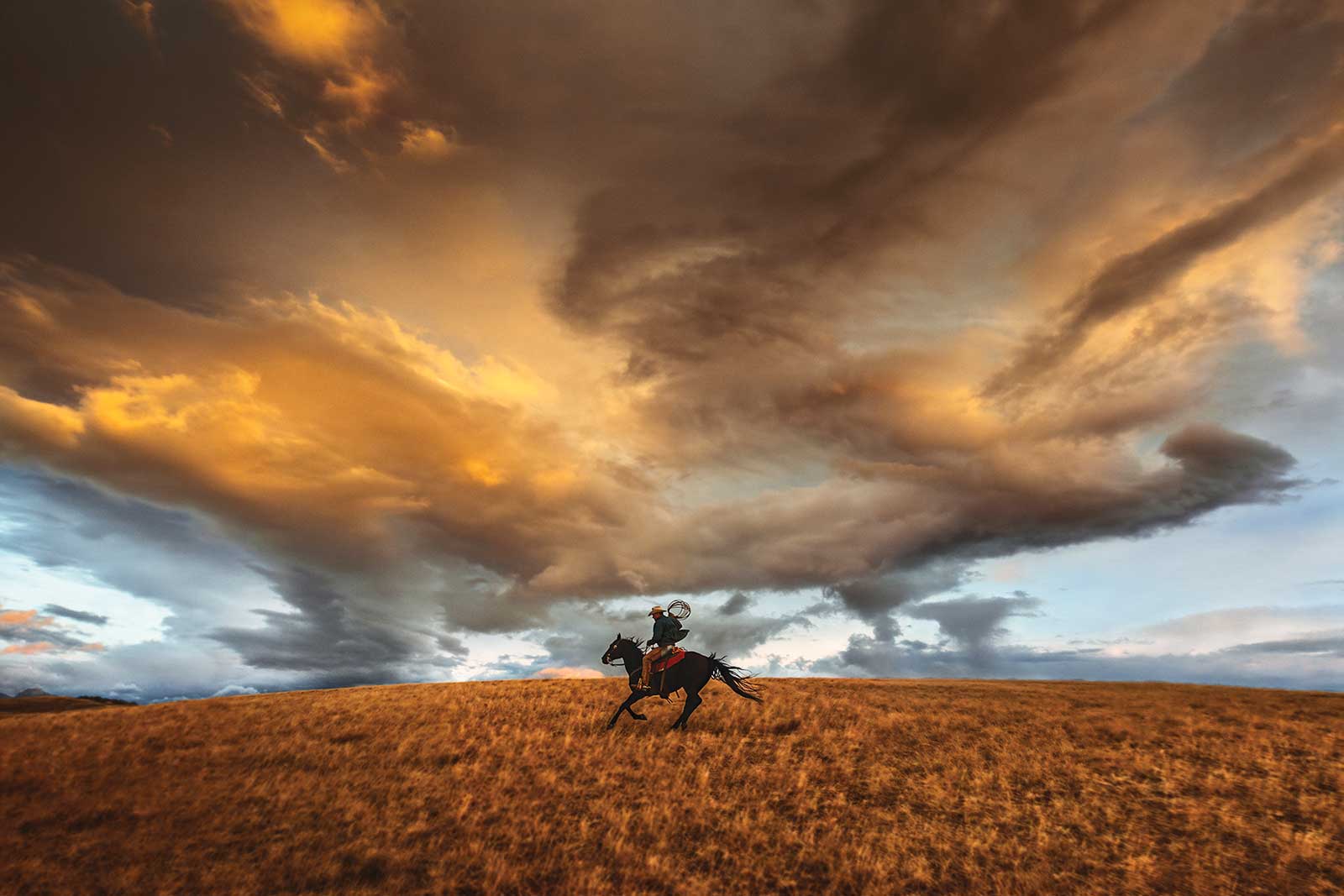
The Way of the West No. 2, 2019, archival pigment print, 40 x 60 in.
As a young man, Krantz sought out Adams, who was teaching photography in Carmel, California, and George Tice, who was teaching in Maine. After coast-to-coast travels for workshops and a design degree from Denver University, Krantz set up shop in his hometown of Omaha, Nebraska, around 1980. A place that once served as a jumping off point for westward migration and cattle coming to market, Krantz describes a scene out of Upton Sinclair’s The Jungle—railyards and chutes teeming with action, cattlemen, meatpackers and tanners doing their thing.
“It’s a rough, tough, rugged spot to find yourself,” says Krantz, who hung around his family’s nearby furniture store as a kid. In the Omaha stockyards, he encountered working cowboys and got his “first taste and smell” of the cattle industry. “That doesn’t make me a cowboy,” he says, but it does make him aware of how the different sides of agriculture relate. Shooting for local businesses and ag clients in Nebraska, Krantz gradually picked up agency work in Chicago, where he later moved. “You were in the belly of the beast at that point,” says Krantz.
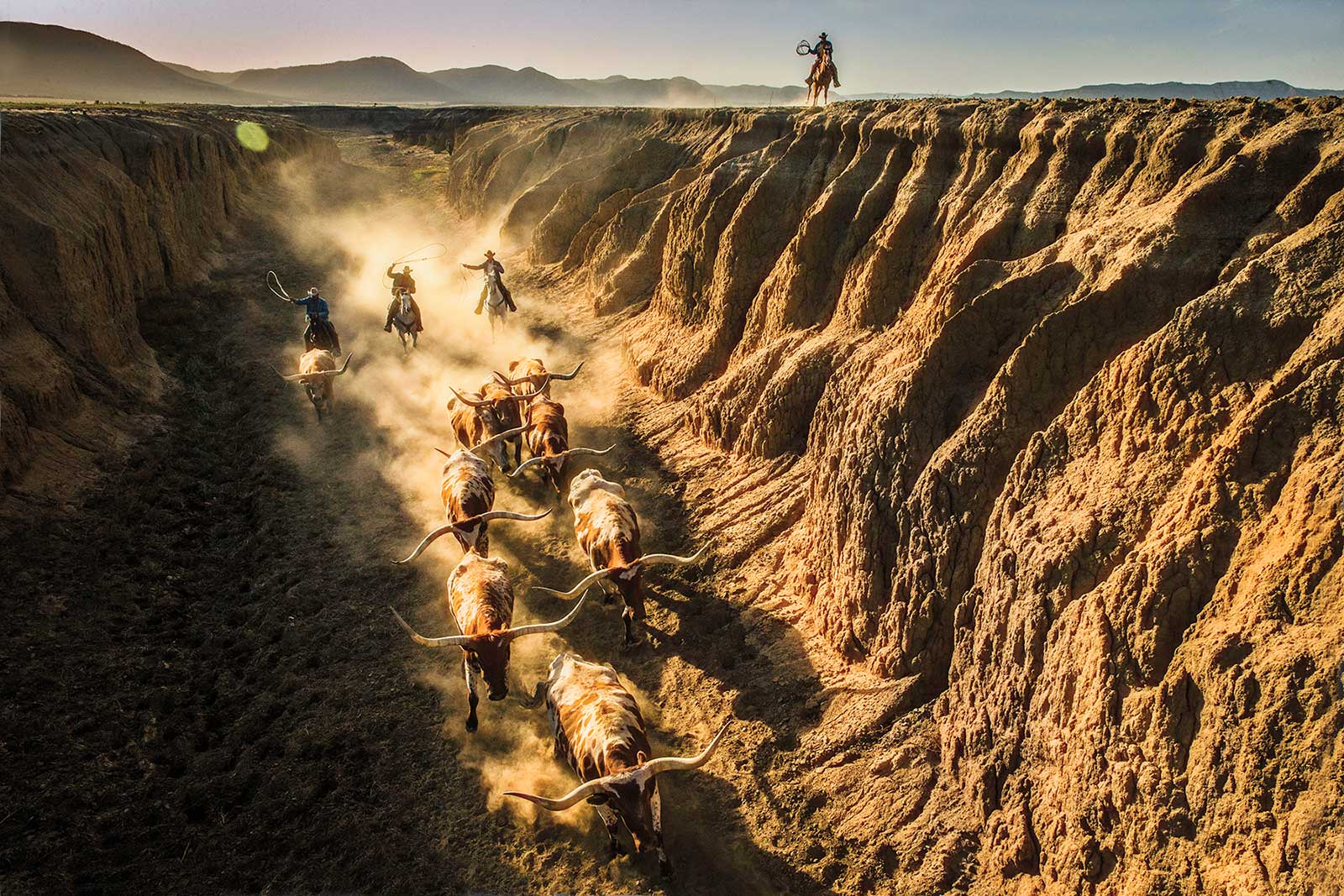
Frontier No. 11, 2020, archival pigment print, 40 x 60 in.
“I see Jim as a mix of a couple of things,” says art dealer James Danziger. “First of all, I see him as a Western artist. I think that his work is in the tradition of Frederic Remington and the various artists and photographers that have followed. I also see him as a landscape photographer because if you took out the figures from his pictures, the landscapes would still be interesting pictures.”
Danziger represents Krantz in New York and Los Angeles, and first discovered his work through a New York Times article titled, “If the copy is an artwork, then what’s the original?” Often read as a cheeky critique of American identity, appropriation artist Richard Prince used Marlboro ads photographed by Krantz and others as a basis for his (largely unaltered) conceptual work. The Metropolitan Museum of Art described Prince’s use of Marlboro ads as “a copy (the photograph) of a copy (the advertisement) of a myth (the cowboy).”
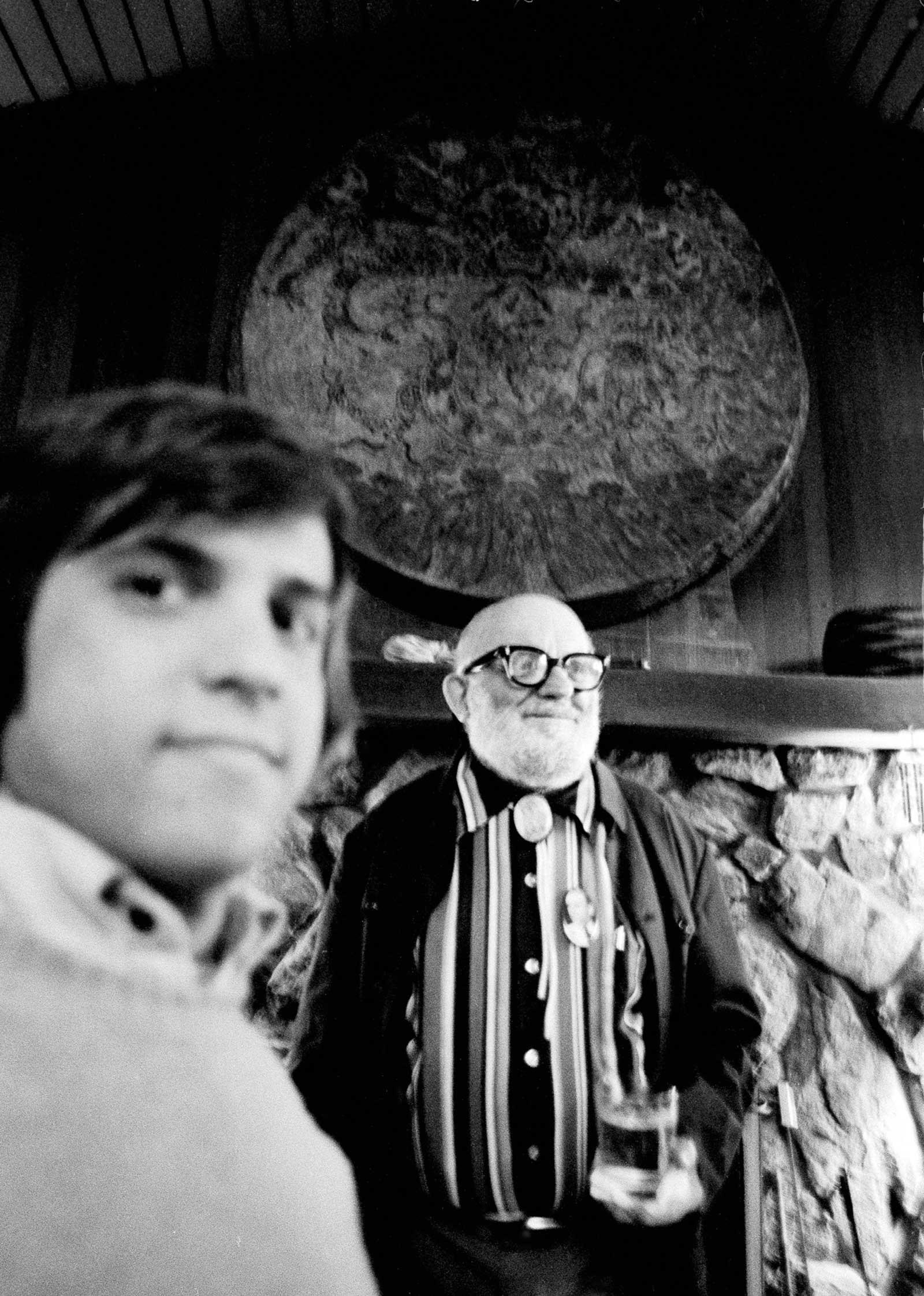
Self-portrait with Ansel Adams, archival pigment print
“I think that the photography world tends to be the most appropriated medium within the fine art world. The question is, where do you draw the line?” Danziger asks, calling the Prince association “both a blessing and a curse” for Krantz. “What Jim’s work has is the sort of resonance and grandeur of that work and its connection to the Western tradition, but without the irony,” he continues.
A younger artist, Matt McCormick, has also found inspiration in the Marlboro campaigns. “I’ve done a lot of stuff that uses cowboy imagery. For me, it’s a symbol. It’s the same as a Ford truck or a Coke can or a pack of Marlboro cigarettes or cherry pie. You know, it’s all these kinds of images or objects or things that scream America,” McCormick says. While riffing on ideas presented by artists like Prince and Andy Warhol, McCormick’s generation also grew up with Tumblr and Pinterest and loads of unattributed photography around them. “I thought this was such an interesting kind of idea that you could essentially kind of create another world than the one you actually lived in,” he says of digital moodboards. Today, he still paints from found imagery, but probably wouldn’t engage with Marlboro reference material as explicitly as he did in his 20s, McCormick says.
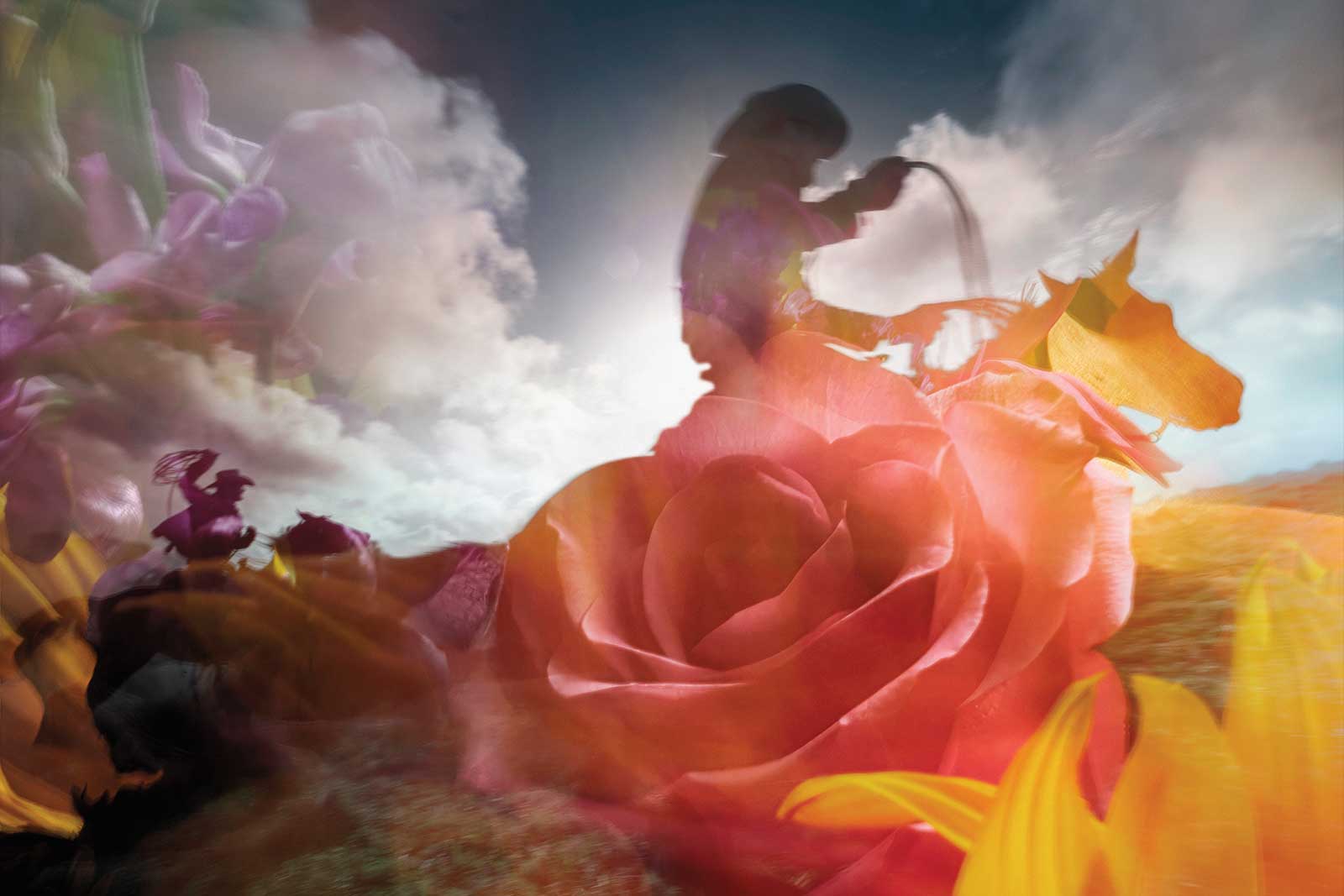
Under the Sun, No. 1, 2026, archival pigment print, 40 x 60 in.
“We live in a time of mass image overdose,” says McCormick, whose own work has since been appropriated. Creating an album cover or ad campaign, “that’s kind of what you sign up for, is that you are putting yourself on a stage that you don’t have control of what happens after that. I would say that the benefits outweigh the negatives.”
Both Krantz and McCormick have parlayed visibility into opportunity, from Krantz’s collaboration with streetwear giant Supreme, to their respective projects with Modernica which featured each artist’s work on limited-edition furniture (perhaps a nod to the family business and a full-circle moment for Krantz). “Clearly he’s an artist or a talent beyond just a commercial photographer,” McCormick says of Krantz’s ability to translate his work onto functional forms. “Which, to be honest, is not easy.”
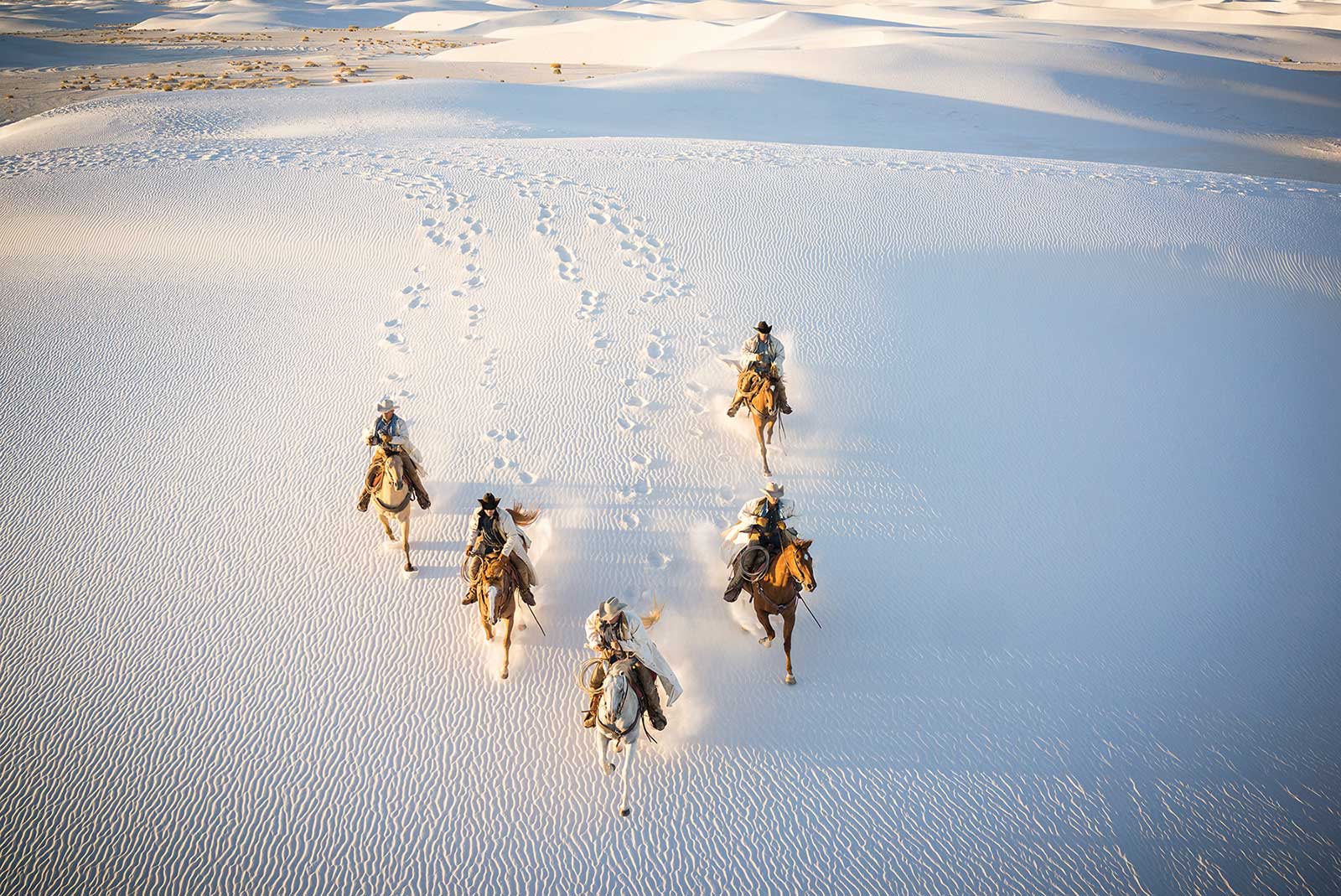
Frontier No. 3, 2020, archival pigment print, 60 x 75 in.
Reframing Krantz’s practice after the Prince controversy, Danziger, who had already been selling Adams’ work, mounted an exhibition with the former student and teacher. “It just made sense to put the two of them together,” says Danziger. “And rather than the conversation being Krantz and Prince, it became Krantz and Adams. And so, again, putting him in the context of landscape photography and Western photography, and also two photographers whose work was very much about technical proficiency as well as image making.”
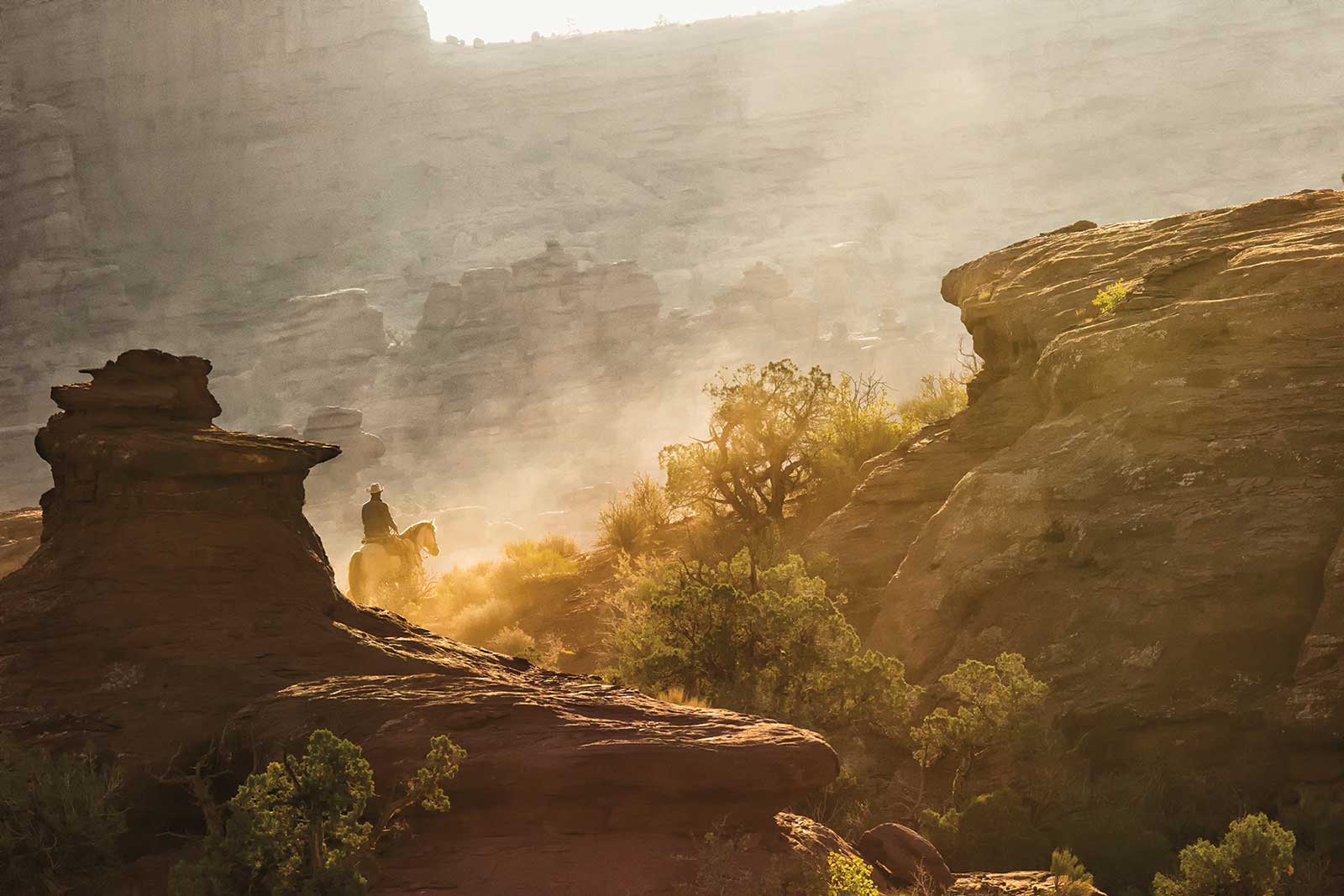
Frontier No. 4, 2020, archival pigment print, 60 x 75 in.
“Photography has been diminished to not so much an art, but it’s just a way of documenting everyday life, every moment, every second, and everything you do,” says Krantz, noting the ease of the camera phone. “You push a button and that’s the capture. Now it’s what you’re looking at that’s important. And how you look at it is the most important thing.”
Krantz sees uncertain times ahead as visual industries adjust to appropriative “camera-less” image-making tools like AI, but he also sees artistic potential. “So, everything’s changing, but at the same rate, the stuff doesn’t go away,” says Krantz. “It’s kind of like when we went from glass-plate photography into film photography into replacing painting. We still see painters and we still see photographers, but what’s happening is the tools are so vast and varied…the thing that’s always important is the storytelling and what you’re actually saying.”
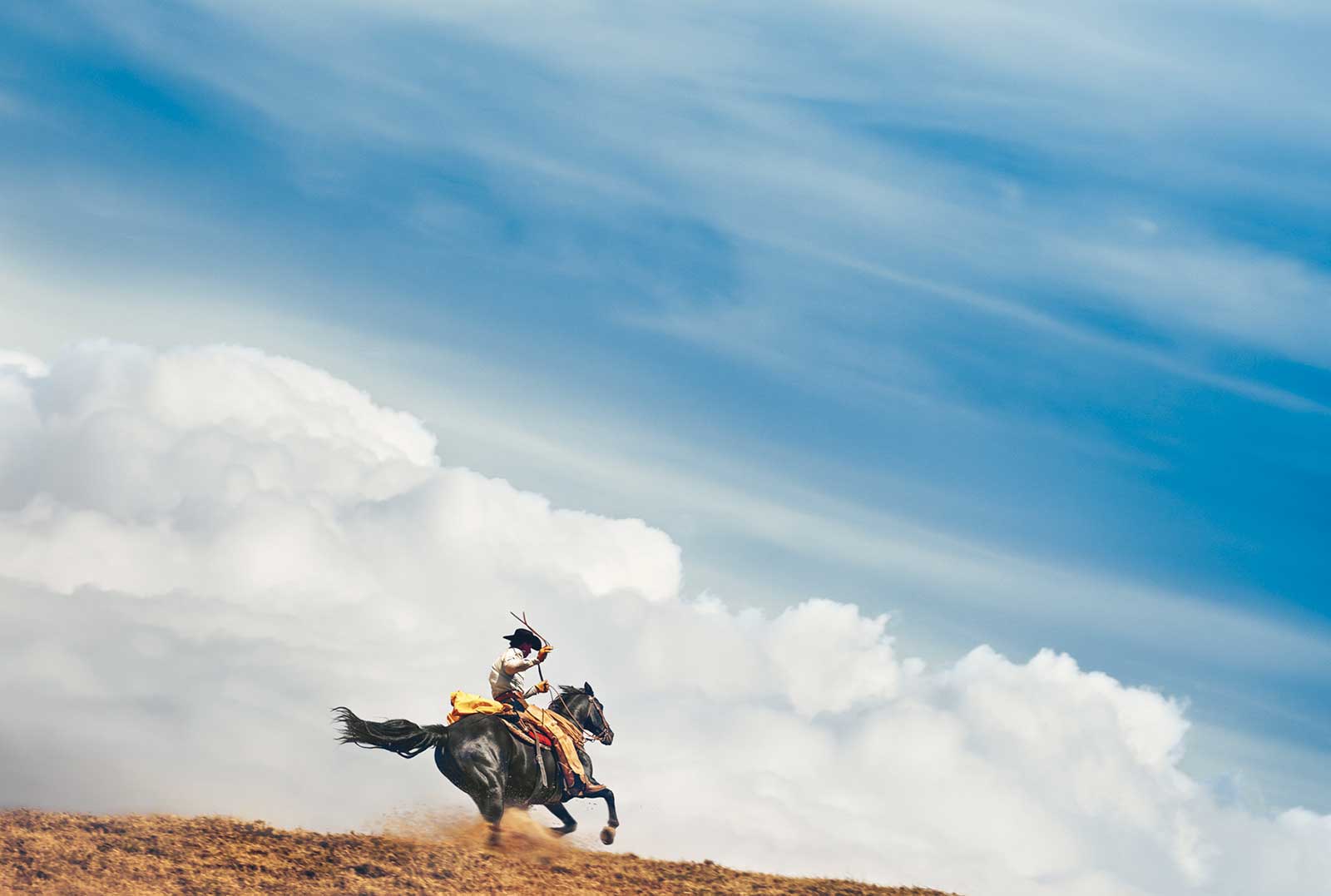
Epic Western No. 11, 2019, archival pigment print, 40 x 60 in.
While he doesn’t rule out using new tools in the future, Krantz is still enamored with photography. “I love light. I love how light reacts with surfaces. And that’s what my artwork is, so I doubt seriously that’ll go away.” To young artists pursuing photography today, he emphasizes point of view. “If your photographs are very much about the person holding the camera, if you integrate who you are as a person into your images, it’s possibly the only way to make your images unique because they can only be as unique as the operator,” says Krantz. “And I think people do like to copy other people’s work. Isn’t that a funny thing to say, copying other people’s work? But I’ve seen that happen before in my history. And what do I think? I think I’d rather create it than copy it.” —
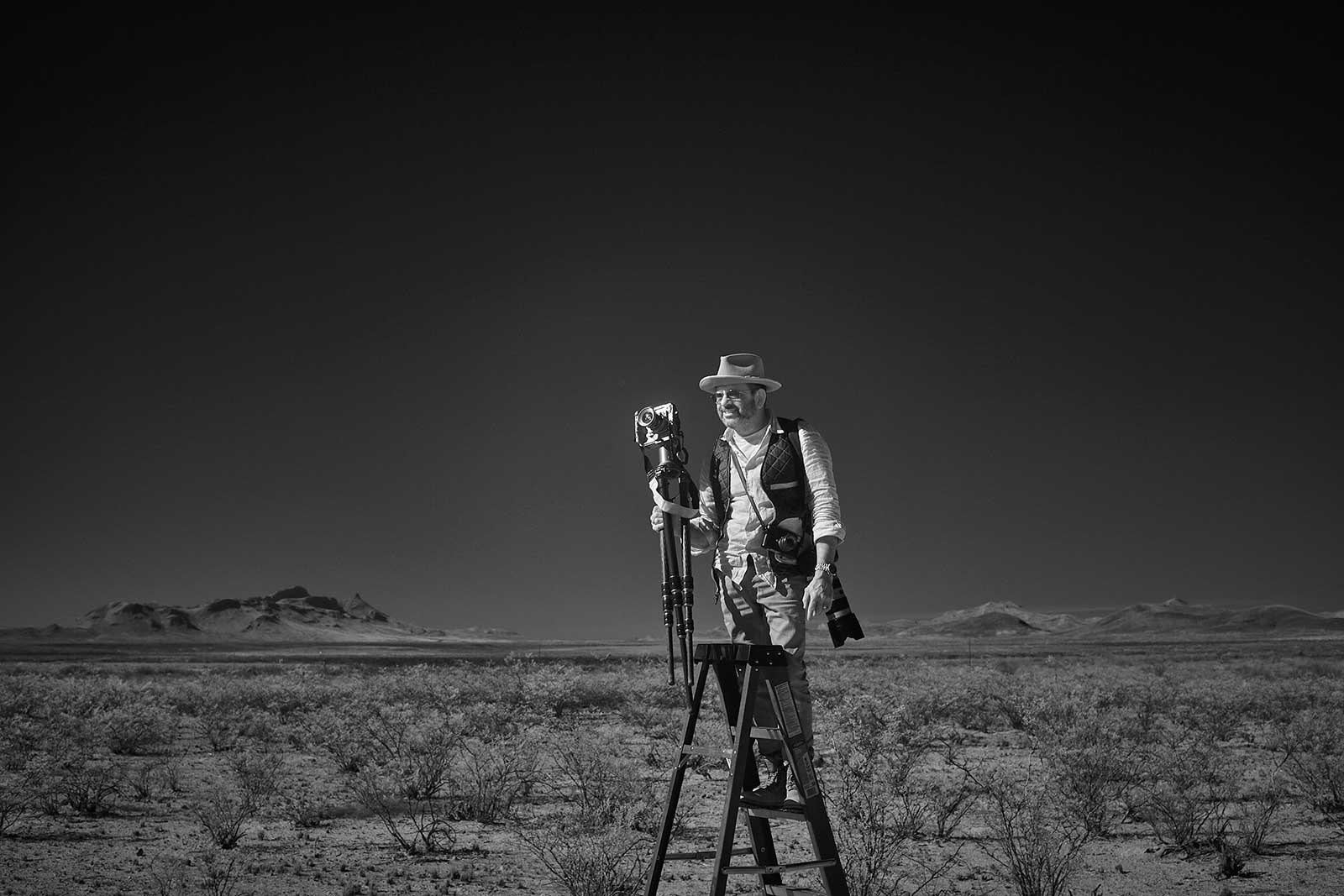
Jim Krantz on location.
Krantz is represented by Danziger Gallery in New York, Los Angeles, and at art fairs around the country. Learn more about his book Frontier and other creative projects at jimkrantz.com.
Powered by Froala Editor


