Presented in conjunction with Museo del Vaquero de las Californias (MuVaCa), located on the tip of Mexico’s Baja Peninsula, the Briscoe Western Art Museum will host Aloha Vaqueros,an exhibition that explores the interconnectedness of North America’s original cowboys and Hawaii’s Paniolo culture.
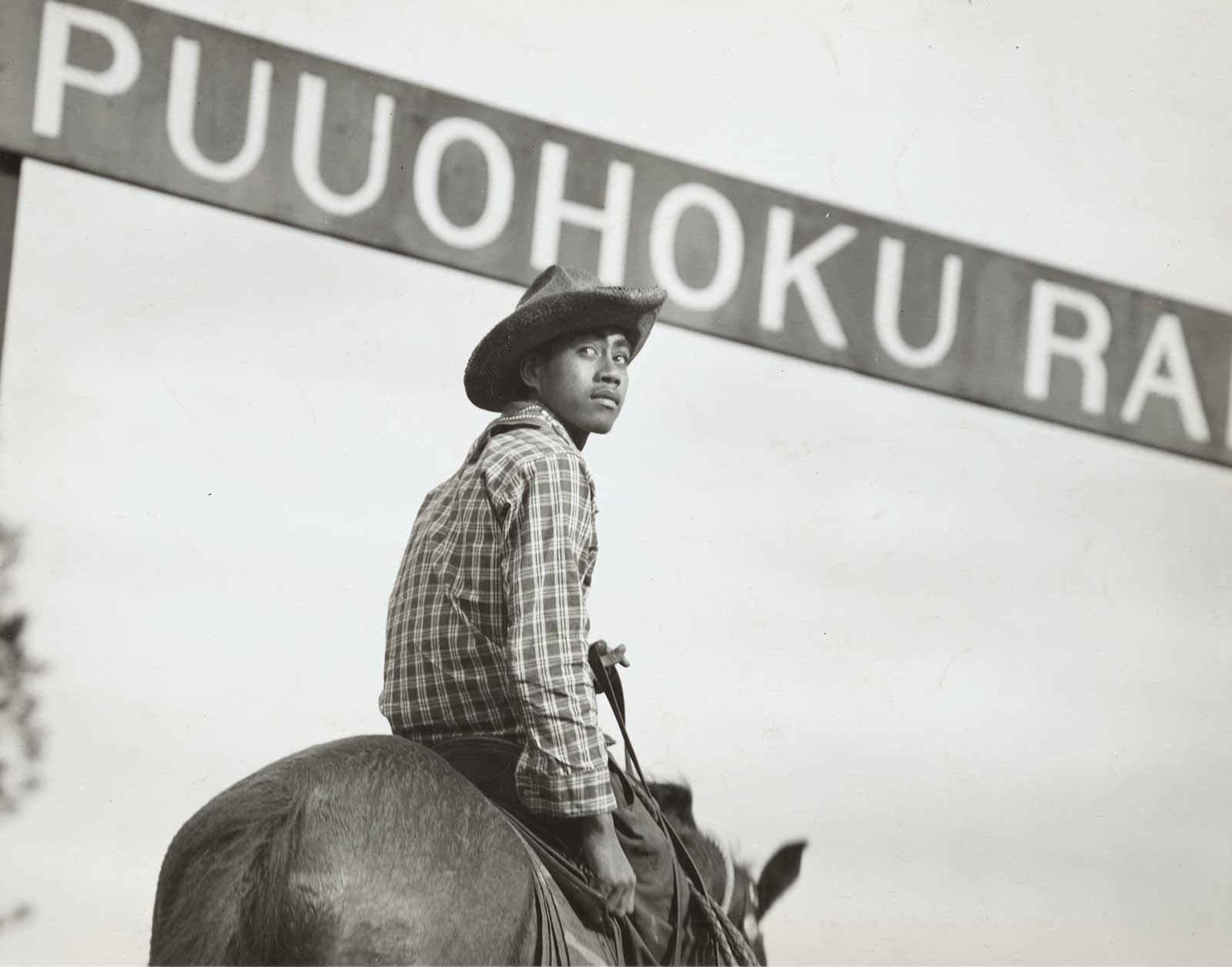
A young Paniolo boy atop a horse. Courtesy of the Hawai’i State Archives.
Vaquero culture dates back to the 1680s, brought by the Spanish when they began to settle in the Americas, bringing with them cattle and horses, and establishing ranches. The way of life eventually made its way to Arizona, California, New Mexico and Texas, which were all part of Mexico at the time.
In the early 19th century, these Mexican vaqueros traveled across the Pacific to Hawaii, long before it became a state, to share their ranching skills and traditions with the islanders, from horsemanship and handling cattle to tools and techniques. Their influence took root and gave rise to the Hawaiian Paniolo, cowboys that exhibit a blend of Mexican vaquero ways and their unique island culture.
Through artwork, artifacts and storytelling, Aloha Vaqueros explores how a shared love of working the land, horsemanship, grit and community, transcended the distance and differences between them.
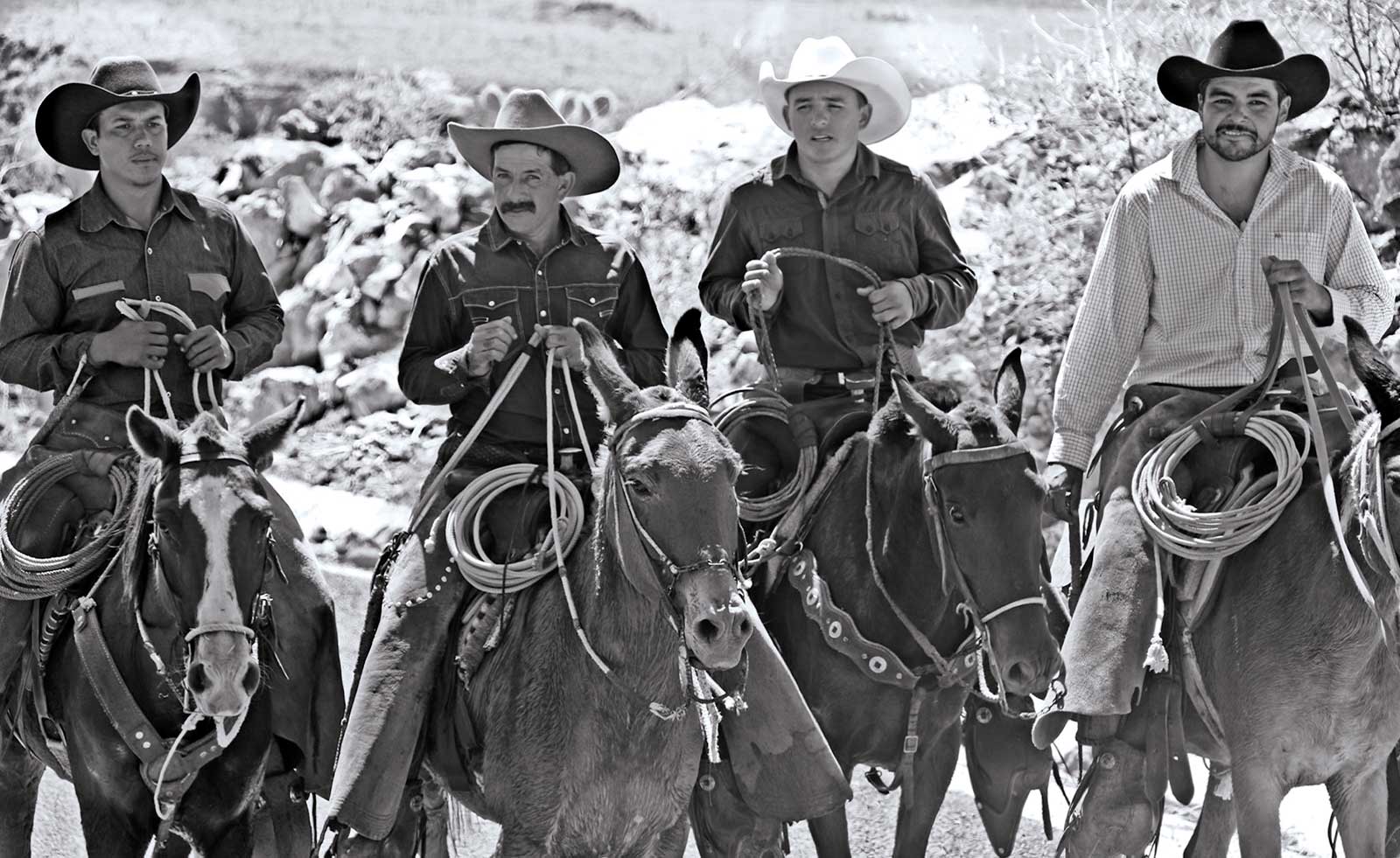
Riding in Baja California Sur, Mexico. Photo by Aldo Arce “Santoro”
“This exhibition beautifully illustrates the rich cultural exchange that helped shape the cowboy traditions of the Pacific,” says Liz Jackson, president and CEO of the Briscoe Western Art Museum. “It’s a compelling reminder that the spirit of the West is both diverse and far-reaching, stretching from the plains of Texas to the mountains of Maui.”
Aloha Vaqueros is on view at the Briscoe from June 13 through September 1. —
Aloha Vaqueros
June 13-September 1, 2025
Briscoe Western Art Museum
210 W. Market Street, San Antonio, TX 78205
(210) 299-4499, www.briscoemuseum.org
Powered by Froala Editor


