Delivering one of his all-time finest artistic works ever in watercolor, Charles Marion Russell deftly executed this dazzlingly effective image, Women of America, in 1924 during the first of the last three years of his life.
This was at a time probably just shortly before he was actually preparing to undertake the arduous work of executing two 20-foot-long by 2½-foot-high murals titled The History of the West for California oilman Edward L. Doheny. The decision to do that almost alongside this subject, addressing the theme of Indian women and their key work role, is a remarkably interesting contrast. The efforts by Native American women, as well as men, to address the sustainability of the buffalo hunting culture was one of the big challenges during the second half of the 19th century. Furthermore, this was a question on which Russell was neither unfamiliar nor lacking an empathetic opinion, especially given his personal regard and respect for Native American cultures.
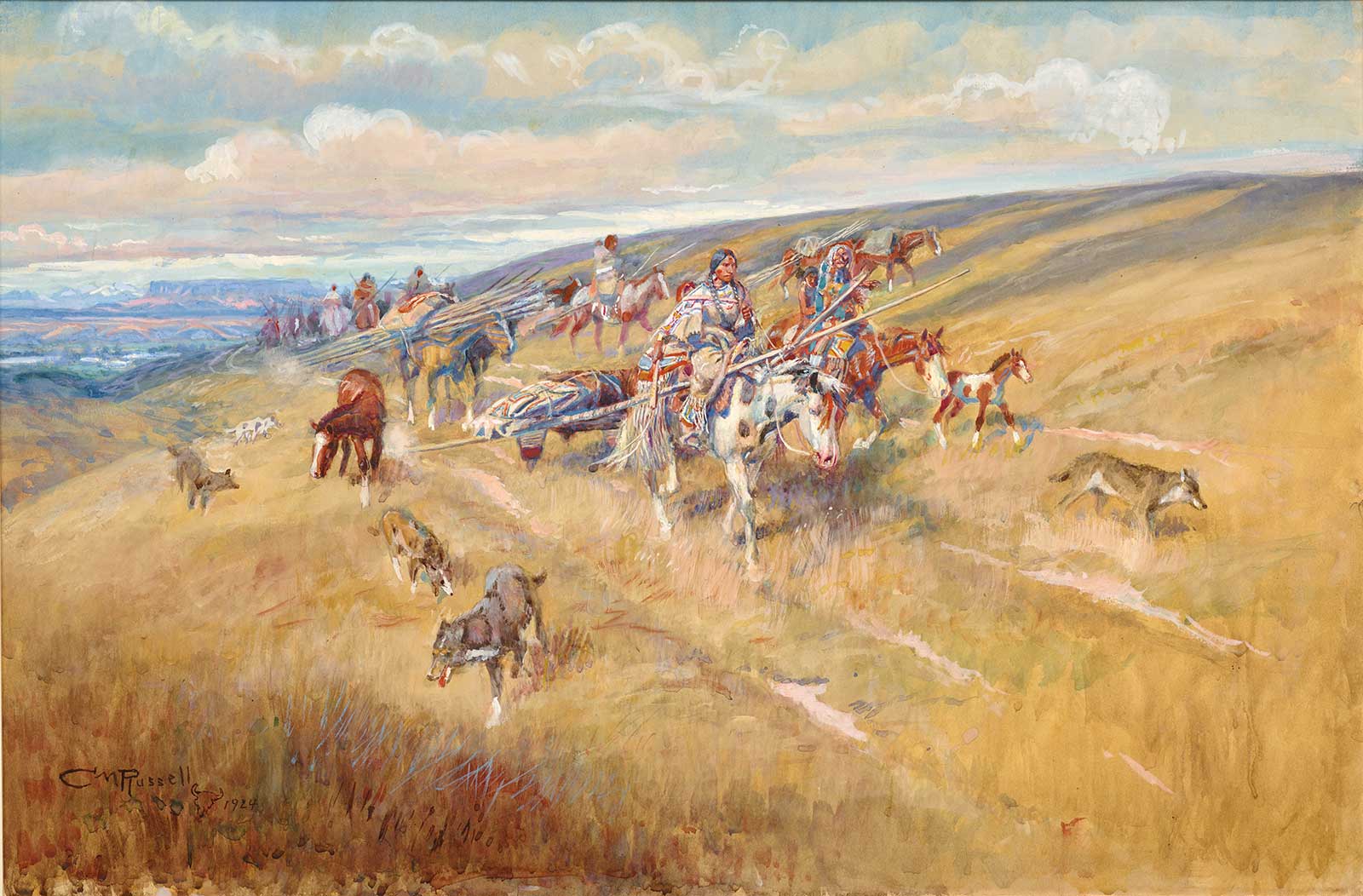
Charles M. Russell (1864-1926), Women of America, watercolor on paper, 20 x 30 in. Available at The Russell in March 2025.
The region shown in Women of America is located deep within Montana’s legendary Judith River Basin, where Charlie cut his teeth as a round-up cowboy. This location is clearly confirmed by the distinct outline of the “straight-up” verticality of the left and right sides of the monumental “Square Butte” in the far horizon. In his role as a wrangler, Russell had come to know intimately the full 360-degree circumference of that giant feature. That was probably the result of his many mounted searches for stray “dogies” and horses. The Square Butte/Judith Basin scenes that Russell clearly depicted were from memories that are now preserved on canvases and works on paper of finished Russell art. Those are now owned by a variety of museums and private collectors. One example is Russell’s extra illustration on the foreword page of his book Rawhide Rawlins. It provides a view of the Judith River’s square butte, shown in Figure 1. Quite evident is its different configuration from Montana’s other dramatic square butte, located a dozen-plus miles west of Great Falls. That structure’s sidewalls are more gently angled upward to a notable degree, as can be seen in Russell’s Piegans (Figure 2).
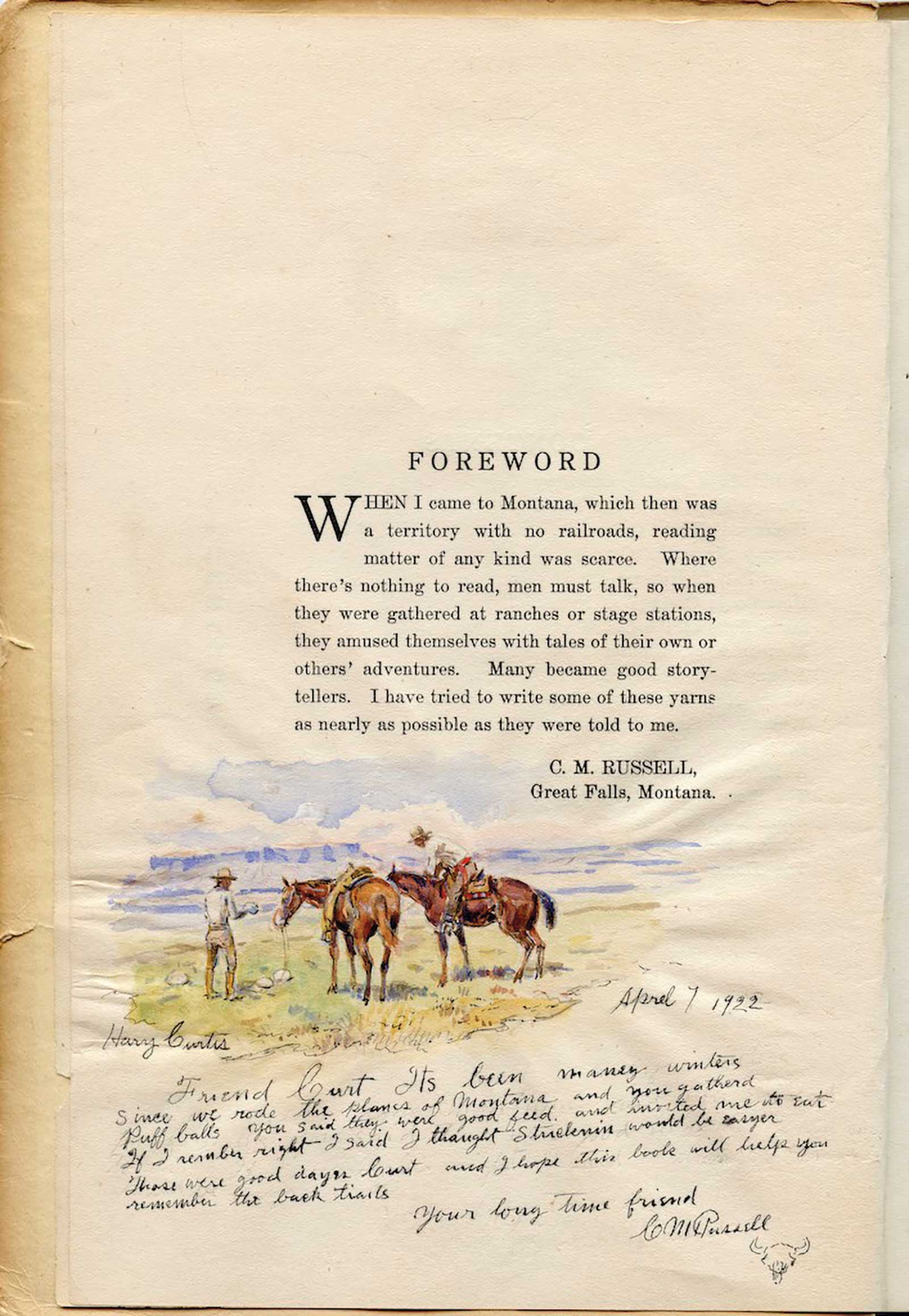
FIGURE 1
Charles M. Russell (1864-1926), Friend Curt, illustrated note on foreword page of Rawhide Rawlins. Petrie Collection.
During his 11 years as a cowboy, Russell absorbed countless lessons from his experiences involving cattle roundups, as well as efforts to quietly settle herds in the evening and nighttime hours. He quickly appreciated being prepared for whatever challenges of weather or other conditions could disturbingly present (even the risk of a stampede). He was also being confronted and slightly tested under an indirect gunfire incident by Crow Indian warriors in pursuit of their Piegan and Blackfeet horse thief enemies. Nancy relates this episode on Page 57 of her Russell biography, Back-Tracking in Memory. There, a Crow Chief, both assures Charlie of his friendly intentions while still admonishing him that, “Piegans have bad hearts.”
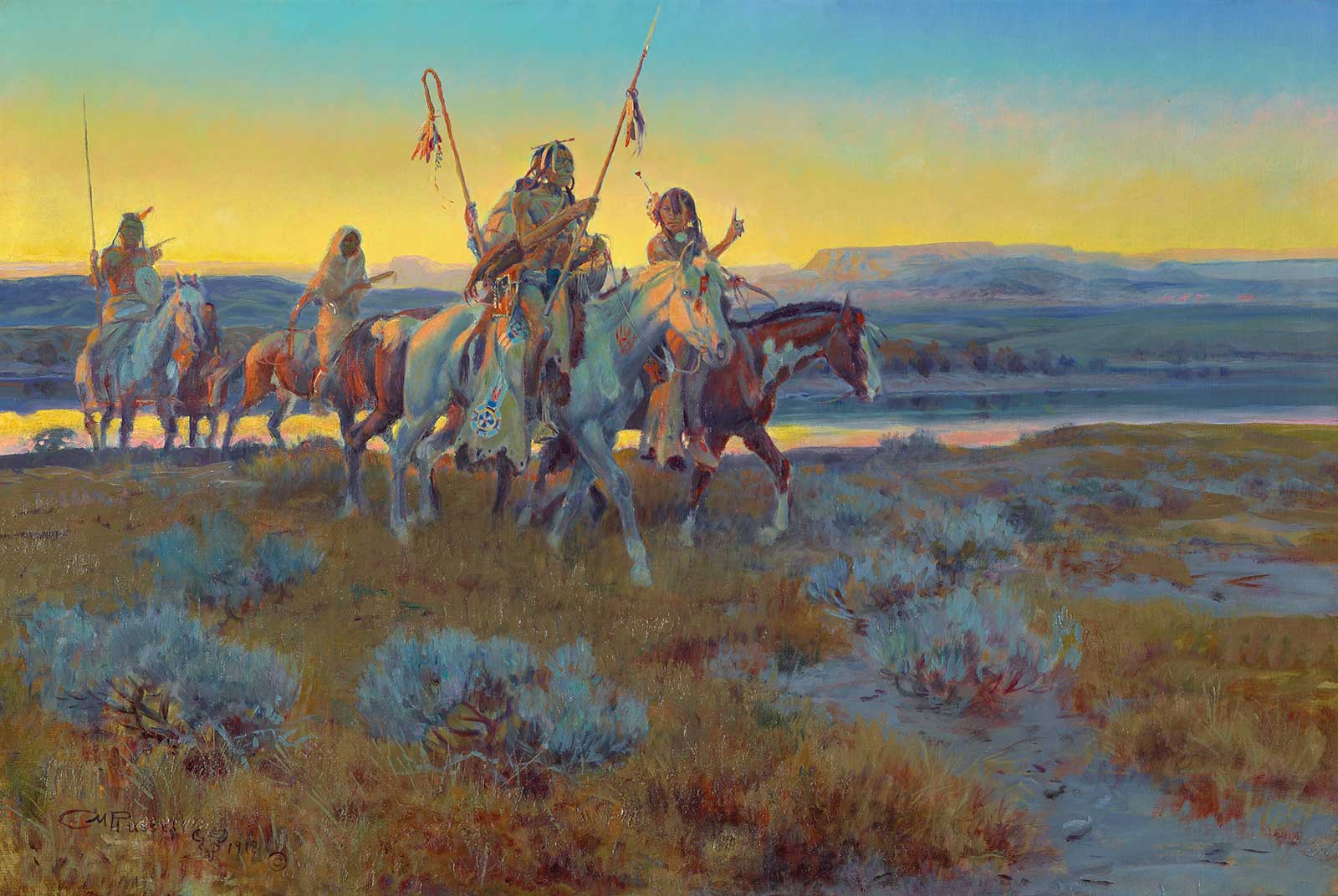
FIGURE 2 Charles M. Russell (1864-1926), Piegans, 1918, oil on canvas, 24 x 36 in. Petrie Collection, Denver, CO.
Russell has elected to elevate his composition for Women of America by depicting these confident figures moving across elegant scenery on a well-trodden trail with a fully ladened travois. This traditional wheelless device involves a triangular configuration of long poles pulled by pack horses. The resulting platform is loaded with the paraphernalia needed for the nomadic existence of the Native American lifestyle. In Seeking New Hunting Grounds (Figure 3), it provides an especially noteworthy symbol of early to mid-19th-century Plains Indian pursuit of the major benefits of the buffalo hunting culture described at the opening of this essay. Given that it was executed 33 years before Women of America, Seeking New Hunting Grounds is strongly confirming of Russell’s enduring fascination with that subject.
In fact, travois scene subject matter is a top candidate to be the second most frequently selected compositional image for portrayal by Charlie Russell. Noted Russell historian and scholar Frederic Renner has identified at least 75 depictions of actual buffalo hunting events. These focused on the skill, courage and actions of male hunters. Moreover, a recent survey by Duane and Tatum Braaten of the artist’s catalog raisonné data suggests there are at least 40 additional depictions of Indian women moving via travois. Further, that number may be low by as much as another five, or possibly eight. In this case, this 20-by-30-inch masterwork stands out as being among the finest two or three travois scenes ever executed in the watercolor medium by this artist.
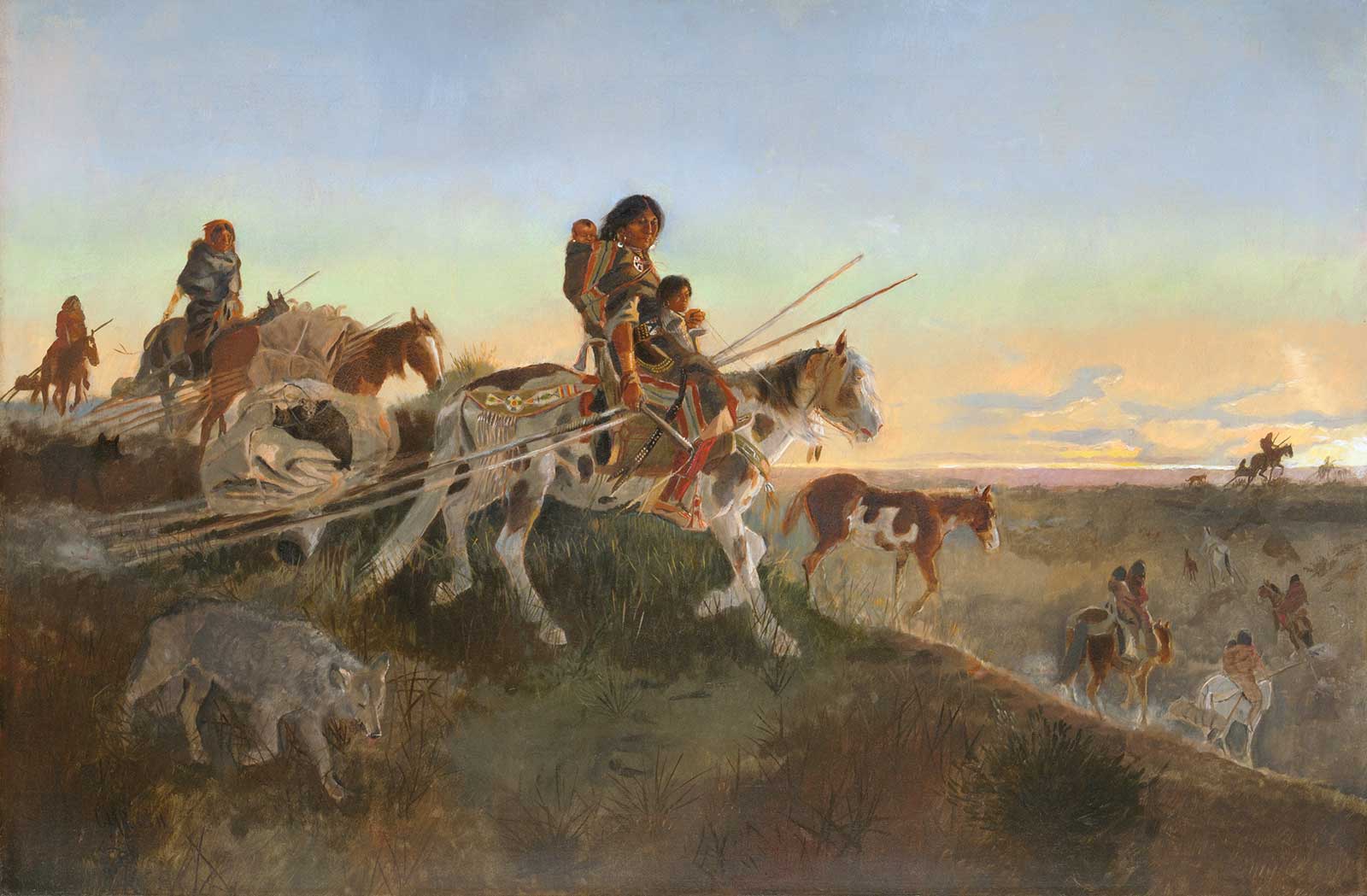
FIGURE 3 Charles M. Russell (1864-1926), Seeking New Hunting Grounds, ca. 1891, oil on canvas. Sid Richardson Museum, Fort Worth, TX.
Returning to the overall composition involving Women of America, Russell’s use of the space on the sheet of watercolor paper provides a noteworthy set of rewards for the focused viewer. Somewhat less than a third of the total available area is utilized to depict a dramatic sky along with a deeply distanced landscape background. This adroitly captures the distinguished Square Butte landscape structure. It also provides a hint of a stream flowing down toward the far butte in the background.
The remaining two-thirds or so of the composition consists of an intriguingly upwardly swirling curved hillside beginning from the lower left and extending almost fully to the upper right of the landscape image. This cleverly provides the artist with space required to develop an engaging foreground in which a half dozen or so identifiable horseback-mounted women are approaching the viewer. The presentation of formidable, burdensome tasks while traveling as a key part of a buffalo-hunting Plains Indian band speaks volumes about the demands placed on these women.
All of this is the result of Russell’s filling expanded discretionary space with informative details. These include the multiple travois in evidence. With some just rounding the hillside, there is the suggestion of yet more to come. As well, there is a heavily loaded pack horse that is advancing with its burden of many poles. Furthermore, the placement of dogs and a lightly loaded or unloaded horse helps define the outer limits of this carefully proceeding female band. It is ingenious and a completely effective embracing opportunity for the viewer to take in this head-on experience.
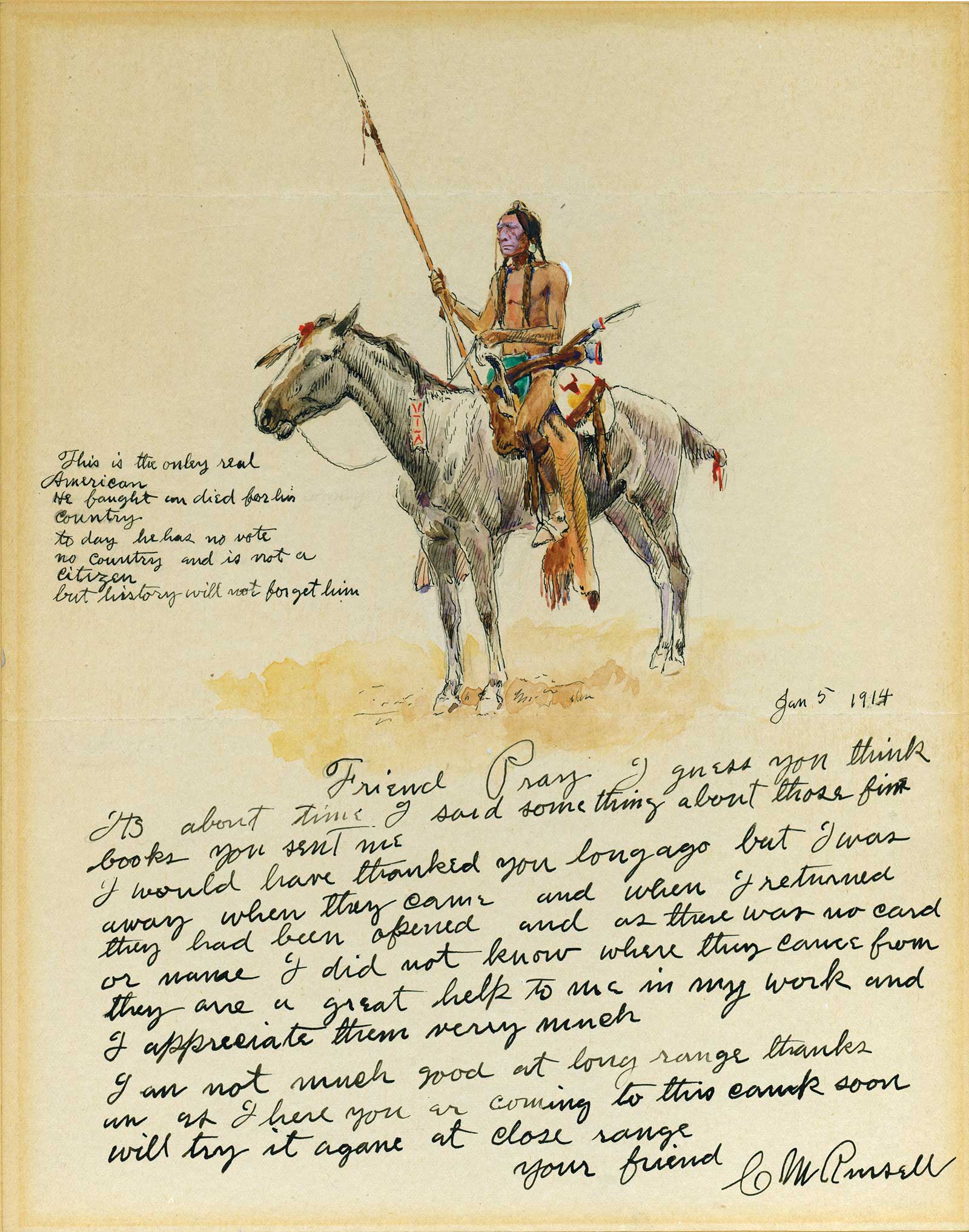
FIGURE 4
Charles M. Russell (1864-1926), Friend Pray, illustrated letter on paper. C.M. Russell Museum.
The appendix to this essay provides a more detailed description of the critical role of Native American women in ensuring the effectiveness of the Plains Indian buffalo hunting culture. Richard Irving Dodge was a U.S. Army officer with extensive experience with the western Indians that he captured in his two books: The Plains of the Great West, published in 1877, and Our Wild Indians, published in 1883.
As burdensome as the described work in the appendix represents, both Colonel Dodge’s commentary and Russell’s artistic treatment of the Plains Indian are especially respectful and deeply observant of the overall work ethic, particularly that of the Indian women in the Plains buffalo culture.
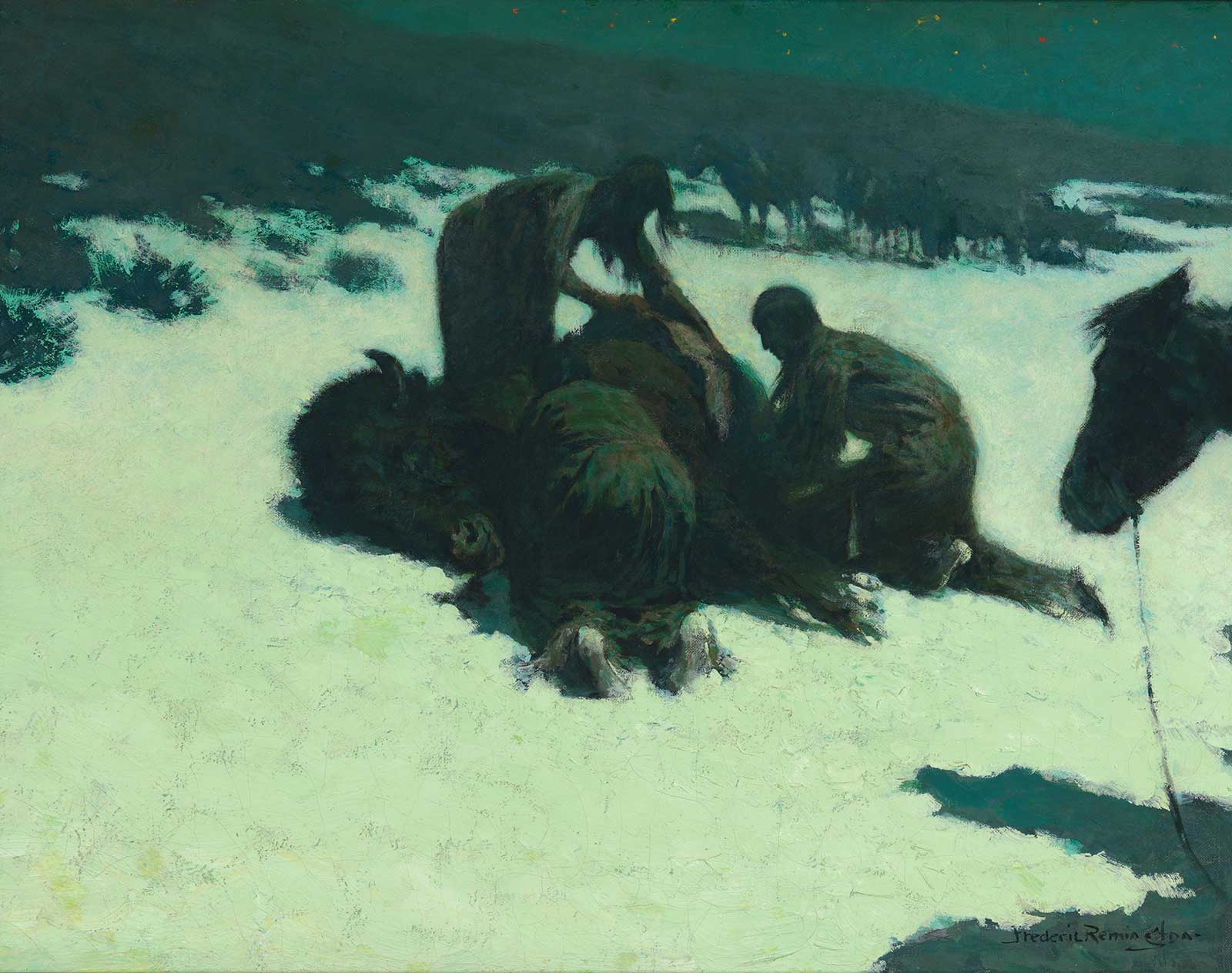
FIGURE 5 Frederic Remington (1861-1909), The Hungry Moon, 1906, oil on canvas, 20¼ x 263/8 in. Gilcrease Museum, Tulsa, OK. Gift of the Thomas Gilcrease Foundation, 1955. 01.2331.
Given Dodge’s many detailed observations in the appendix, one has to wonder whether his and Russell’s paths actually ever crossed. Physically, the answer may well be no, but given the availability of Dodge’s two published books, it is hard not to take note of both the genuine and detailed interest in Native American culture and the similar complementary reinforcing viewpoints on the treatment of and attention to the problematic fates of the western tribes in those same later years of the 19th century. This shared, or overlapping, views by a leading American Western artist and a senior career military officer seems intriguing. It is not something that one would automatically expect to be so aligned.
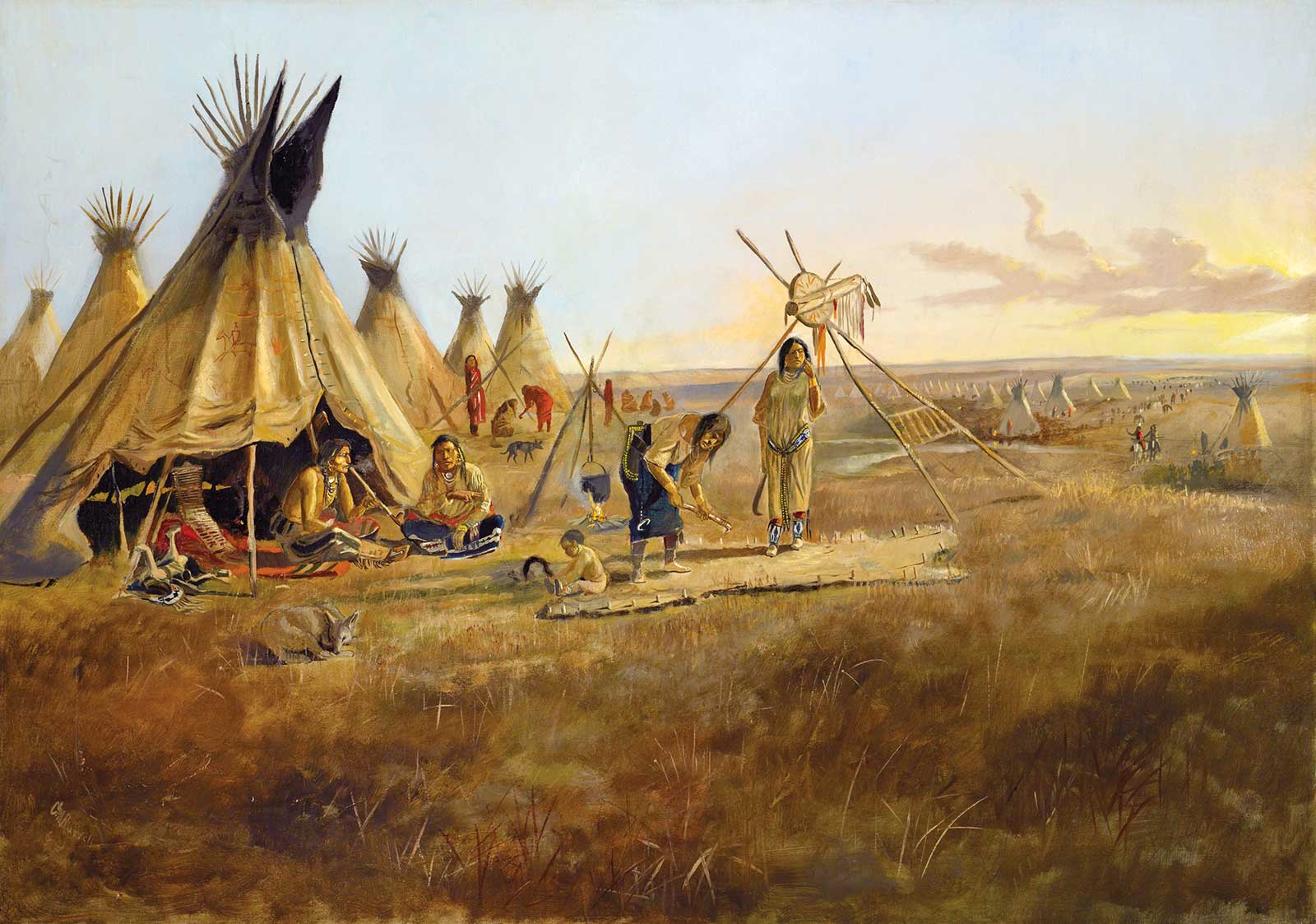
FIGURE 6 Charles M. Russell (1864-1926), The Silk Robe, ca. 1890, oil on canvas. Amon Carter Museum of American Art, Fort Worth, TX. Amon G. Carter Collection, 1961.135.
A decade prior to executing Women in America, Russell in 1914, paid tribute to the way of life of these “First Americans” when he offered the following handwritten observations in a letter to his Great Falls friend Judge Charles Pray next to a sketch of a mounted Indian warrior (Figure 4):
This is the onley real American
He fought an died for his country
Today he has no vote
No country and is not a
Citizen
But history will not forget him
Russell expressing his sentiments in the language of the day meant women as well as men, of course, as Women of America makes so abundantly and beautifully clear. Women of America stands as a profoundly strong endorsement likely designed as a means of forestalling the risk of history forgetting or even diminishing the role, values and ideals of female North American Indian culture carriers.
Appendix
Richard Irving Dodge published definitive memoir titled Our Wild Indians. Among its many themes, it provides numerous details about the important role of women in contributing to the effective functioning of the plains Indian culture. Colonel Dodge explains that he had published a book in 1877 titled The Plains of the Great West, a work mainly descriptive of topography, climate, game, etc., of that portion of our country. However, Dodge states that he also added some written sketches of Indian life. Dodge further explains:
“The extremely flattering reception which that [1877] book met at the hands of critics, and, more especially the unexpected encomiums bestowed upon the brief and imperfect Indian sketches…encouraged me to continue my studies of Indian life, but in a wider field…I now determined to know the facts; and this could only be done by comparison of my opinions with those of other men who had written on the Indian. For many years past I have been most fortunately situated for such study, having been stationed directly among the wild tribes, whose characteristics have always been of most interest to me. Whenever I have found that my ideas differed from those of ‘an authority,’ I have taken the case directly to the Indians themselves. My position as commanding officer—‘Big Chief’—enabled me always to get a hearing and an answer on any subject; and my well-known friendship for the race caused the Indians to give me more frank confidence than a white man usually obtains.
“I present in this volume a detailed account of the characteristics, habits, and—what I particularly desire to invite attention to—a minute and careful study of the social or inner life of the wild Indian of the present day.”
Importantly, Dodge further observes on Page 253 of When the Buffalo is Dead the Man’s Work Was Done, “It was the woman’s work to skin and cut up the animal, and oftentimes, when the men were exceptionally fortunate, the women were obliged to work hard and fast all night long before their task was finished.” In Frederic Remington’s 1906 nocturne The Hungry Moon (Figure 5), the artist provides a dramatically revealing portrayal of Dodge’s comment here.
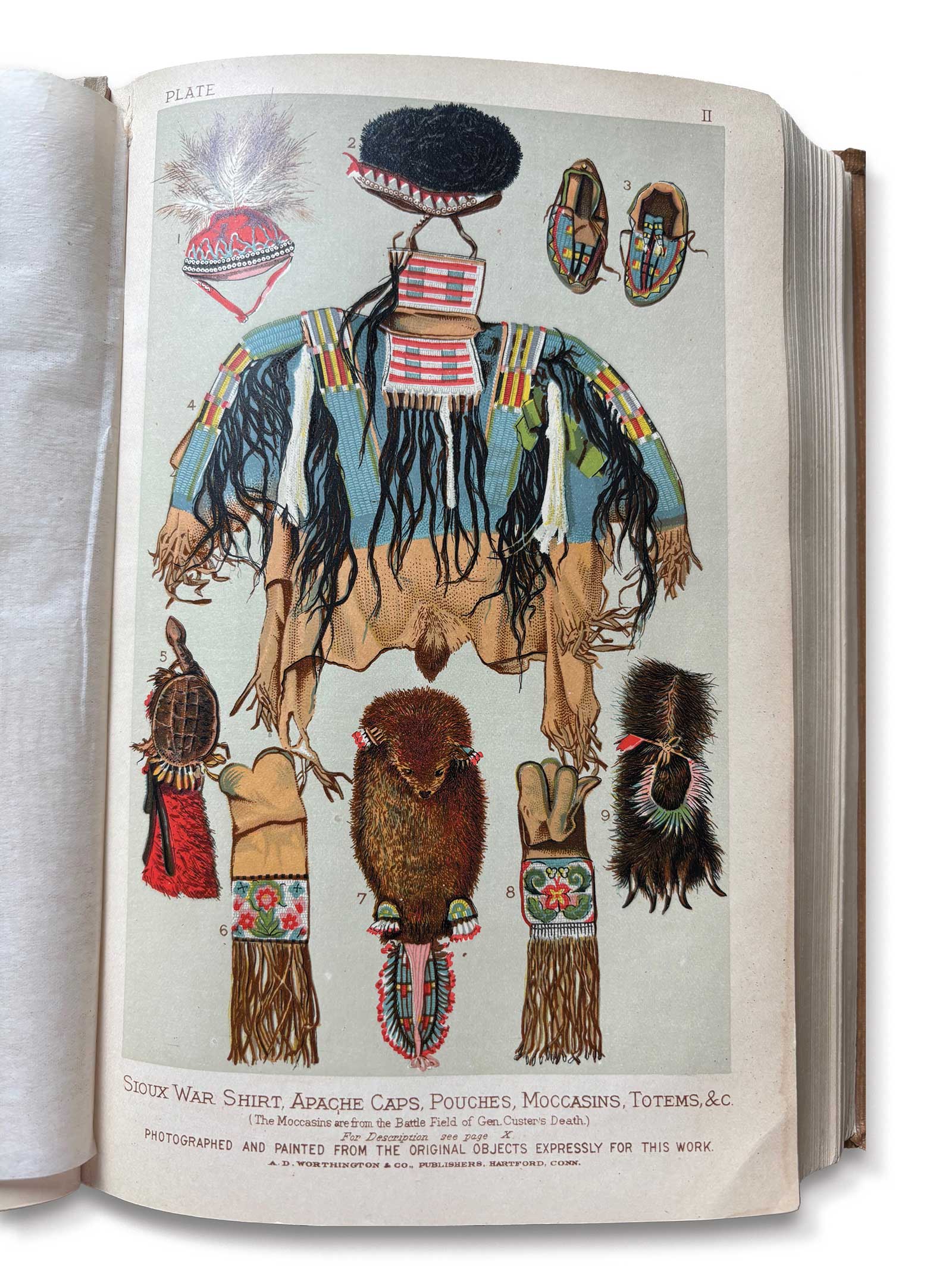
FIGURE 7 Sioux War Shirt, Apache Caps, Pouches, Moccasins, Totems, unsigned illustration in Richard Irving Dodge’s book Our Wild Indians, 1883.
As Dodge further details, “The meat, cut as closely as possible from the bones, is tied up in the skin, and packed to camp on the ponies. The entrails, emptied of their contents, form the principal food of all during the hunt, not only being the most delicious morsel, but not requiring a waste of time in cooking [given the other urgent demands during the hunt].”
As depicted in Figure 6, Russell’s large oil on canvas titled The Silk Robe, “the skins are spread, flesh-side upward, on a level piece of ground, small slits are cut in the edges of each skin, and it is tightly stretched and fastened down by wooden pegs driven through the slits into the ground. The meat is cut into thin flakes and placed on poles or scaffolds to dry in the sun.”
All this work must be done, as it were, instantly, for if the skin is allowed to dry unstretched, it can never be made of use as a robe, and meat spoils if not “jerked” within a few hours. The real work begins when, the hunt being over, the band has gone into winter quarters for then must the women prepare and utilize “the crop.”
As Dodge further describes:
“[S]ome of the thickest bull’s hides are placed to soak in water, in which is mixed wood ashes, or some natural alkali. This takes the hair off. The skin is then cut into the required shape, and stretched on a form, on which it is allowed to dry, when it not only retains its shape, but becomes almost as hard as iron. These boxes are of various shapes and sizes, some made like huge pocket-books, others like trunks. All are called ‘parfleche,’…
“As soon as these parfleches or trunks are ready for use, the now thoroughly dry meat is pounded to powder between two stones. About two inches of this powdered meat is placed in the bottom of a parfleche, and melted tallow is poured over it. Then another layer of meat is served in the same way, and so until the trunk is full. It is kept hot until the whole mass is thoroughly saturated. When cold, the parfleches are closed and tightly tied up. The contents, so prepared, will keep in good condition for several years. Probably the best feature of the process is that nothing is lost, the flesh of old and tough animals being, after this treatment, so nearly as good as that of young that few persons can tell the difference…This is the true Indian bread, and is used as bread when they have fresh meat. Boiled, it makes a soup not very palatable but nutritious. So long as the Indian has this dried meat he is entirely independent of all other food.
“The dressing of skins is the next work. The thickest hides are put in soak of alkali, for materials for making shields, saddles, riatas, etc. Hides for making or repairing lodges are treated in the same way, but, after the hair has been removed, they are reduced in thickness, made pliable, and most frequently smoked.
“Deer, antelope, and other thin skins are beautifully prepared for clothing, the hair being always removed. Some of these skins are so worked down that they are almost as thin and white as cotton cloth.
“But the crowning process is the preparation of a buffalo robe. The skin of even the youngest and fattest cow is in its natural condition much too thick for use, being unwieldy and lacking pliability. This thickness must be reduced at least one half, and the skin at the same time made soft and pliable. When the stretched skin has become dry and hard from the action of the sun, the woman goes to work upon it with a small implement, shaped somewhat like a carpenter’s adze. It has a short handle of wood or elk-horn, tied on with rawhide, and is used with one hand. These tools are heirlooms in families, and greatly prized. It is exceedingly difficult to obtain one, especially one with an elk-horn handle, the Indians valuing them above price. With this tool the woman chips at the hardened skin, cutting off a thin shaving at every blow. The skill in the whole process consists in so directing and tempering the blows as to cut the skin, yet not cut too deep, and in finally obtaining a uniform thickness and perfectly smooth and even inner surface. To render the skin soft and pliable, the chipping is stopped every little while, and the chipped surface smeared with brains of buffalo, which are thoroughly rubbed in with a smooth stone.
“When the thinning and softening process is completed, the robe is taken out of its frame, trimmed, and sometimes smoked. It is now ready for use. It is a long and tedious process, and no one but an Indian would go through it.
“But all this, though harder work, is the mere commencement of the long and patient labor which the loving wife bestows on the robe which the husband is to use on dress occasions. The whole inner surface is frequently covered with designs beautifully worked with porcupine quills, or grasses dyed in various colors. Sometimes the embellishments are paintings. I have seen many elegant robes (such as in Figure 7) that must have taken a year [or sometimes more] to finish.
“[In sum and for added perspective] Every animal brought into the camp brings work for the squaw. The buck comes in with a deer and drops it at the door. The squaw skins it, cuts up and preserves the meat, dresses the skin, and fashions it into garments for some member of the family.” —
Powered by Froala Editor


