Museums are the ultimate arbiters of taste. The cultural apex.
Once an artwork enters a museum, it becomes great. Why else would it be there, guarded and cherished for eternity?
Who makes the decisions about what artworks and artists an institution pursues for acquisition, and when, where and how much to spend when it does? Answering these questions are three leaders in the field with a direct role in their institution’s collecting process.
“Unlike other institutions, which may collect in breadth and in depth, we collect just the best of the best,” says JR (Jennifer R.) Henneman, director and curator of the Petrie Institute of Western American Art at the Denver Art Museum. “Whatever we show of any given artist, we want it to do honor to that artist and their career. Because we collect quality over quantity, everything we collect has to be able to stand up to its neighbors on the wall or on the pedestal. We strive for a collection of excellence, which means that our collection is not that big, it’s a very honed, focused collection of extraordinary pieces.”
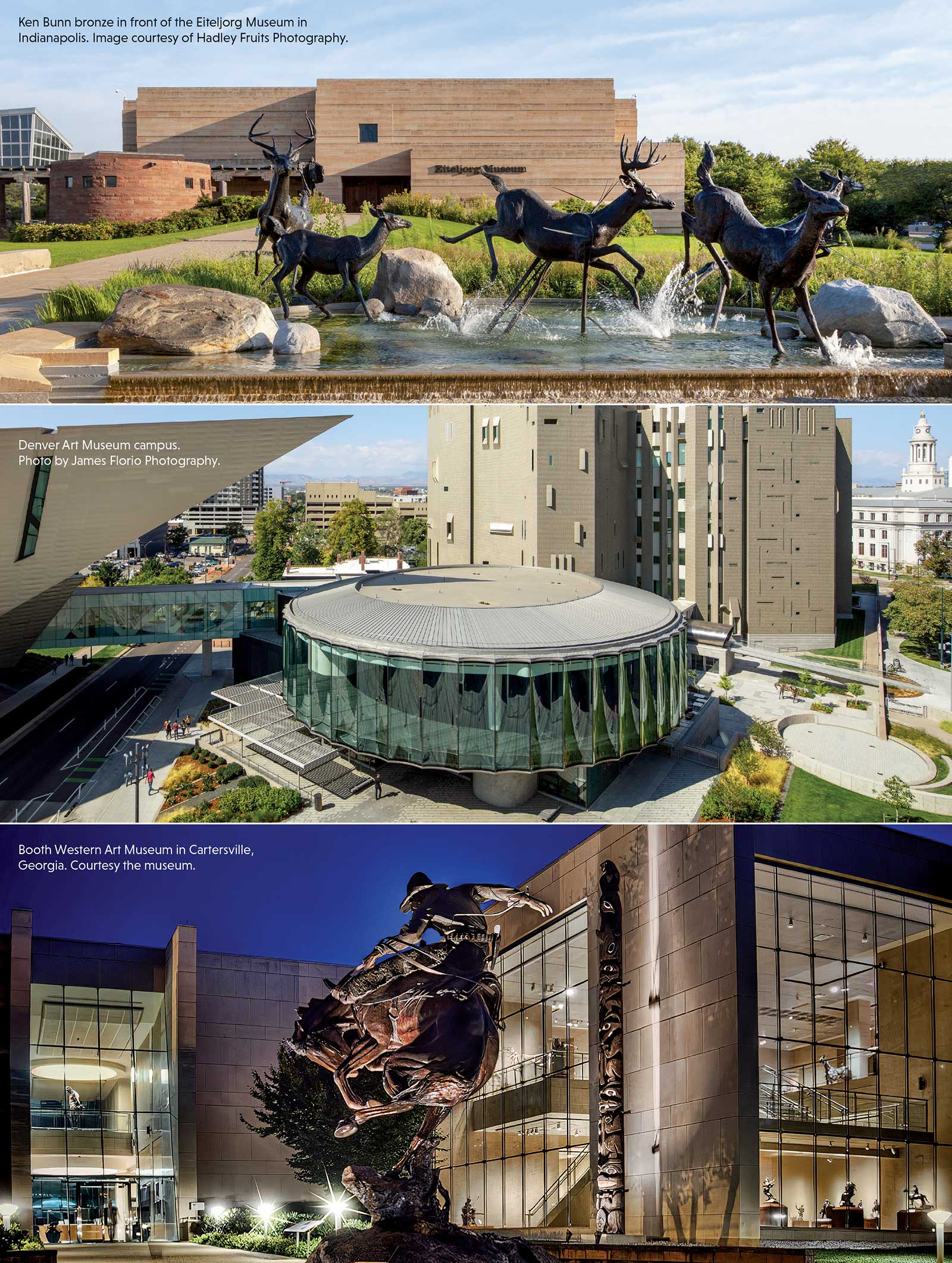 No sketches. No preparatory drawings. No “B” work. No matter how big a “name” the artist carries. This strategy varies dramatically from many institutions that seek to collect the work of specific artists in depth, acquiring not only finished artworks, but sketchbooks, journals, ephemera and whatever else of the artist’s record may be available, no matter how seemingly random or insignificant. Visit the Denver Art Museum and you’ll only see one painting on view by Birger Sandzén, but it may be the best one you’ll ever see. That’s the idea.
“I am not in the business of acquiring artwork just for them to sit in storage,” Henneman adds. “We’re not hoarders, we’re collectors; there needs to be a use for anything that we bring into the permanent collection. If there’s not a perceived use or if we already have a painting or a sculpture by any given artist that is truly exceptional and we simply don’t need a second object, then I’m not going to.”
This is an acquisition philosophy. While varying widely, all the top institutions have one.
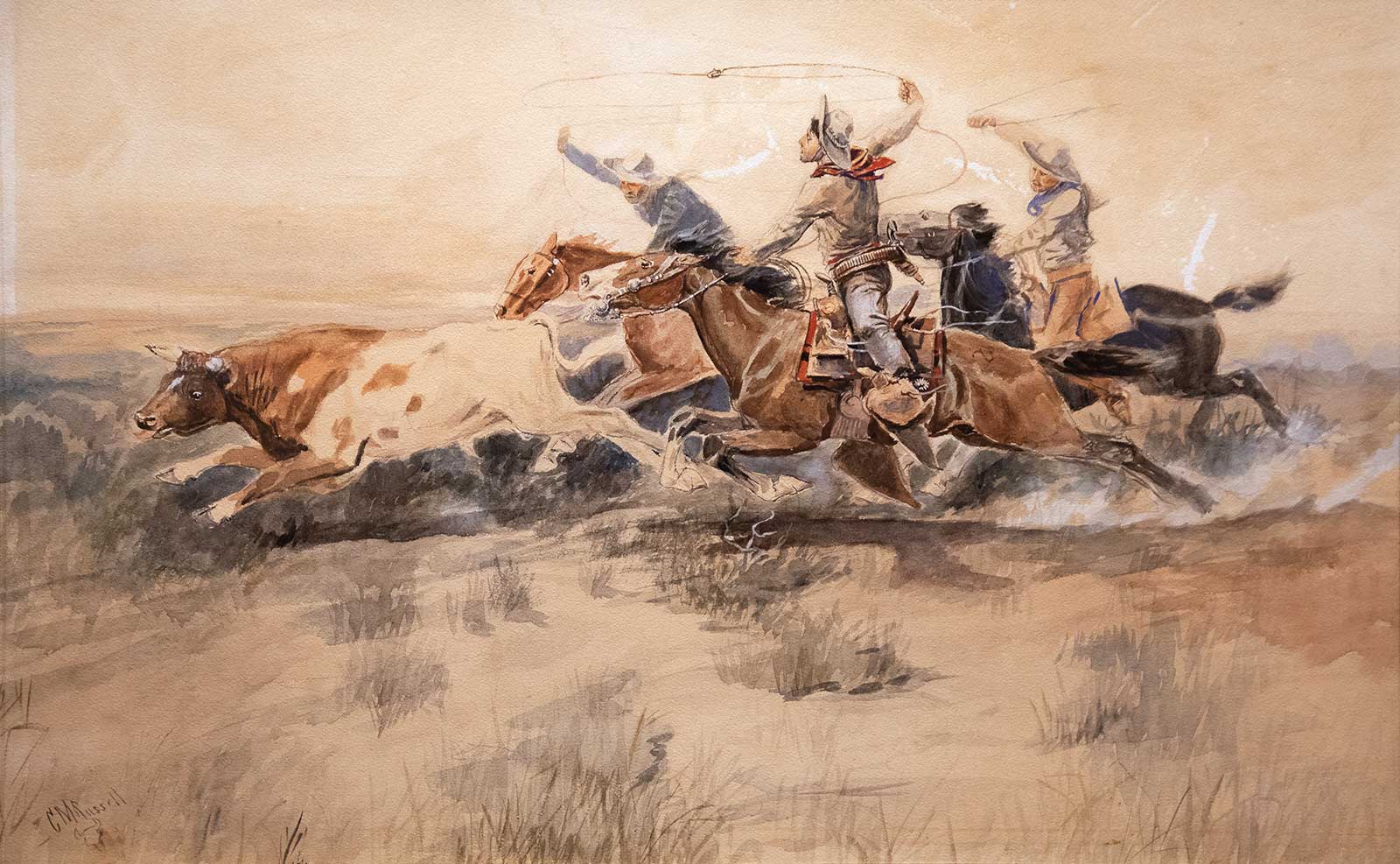
Charles M. Russell (1864-1926), Cowboys from the 7Up Outfit, ca. 1895, watercolor on paper, 20 x 31 in. Booth Western Art Museum permanent collection, Cartersville, GA. Gift of Mr. and Mrs. William T. White.
“Our goal is to be the leading collector of living contemporary artists in the Western art field,” says Seth Hopkins, executive director at the Booth Western Art Museum in Cartersville, Georgia. “We draw that line in the sand beginning in 1965. That’s when the Cowboy Artists [of America] group gets formed, and that’s when the earliest classes are coming out of the Institute of American Indian Arts and so we count that as really the watershed year for the beginning of the contemporary Western art period.”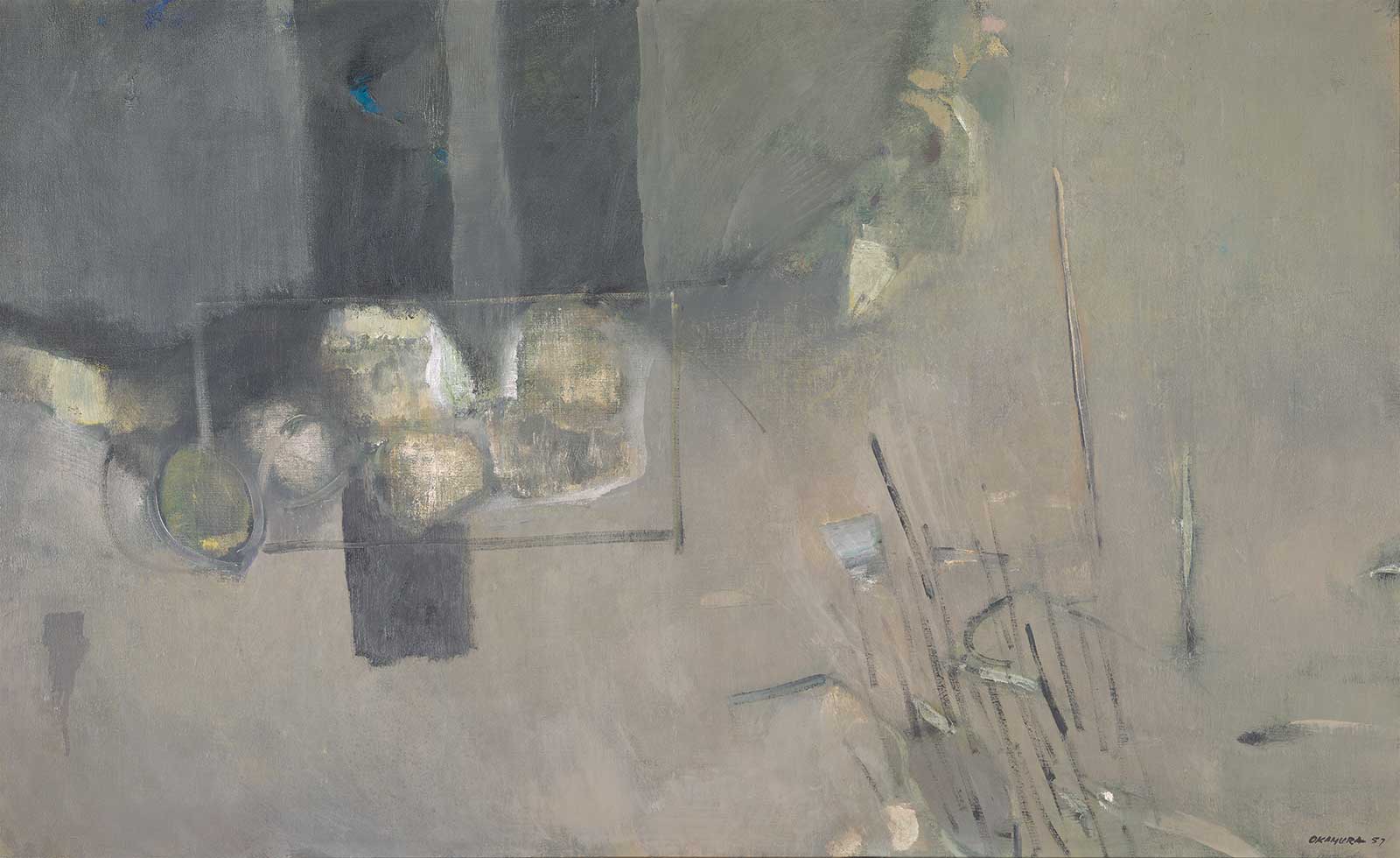
Arthur Okamura (1932-2009), Image #24 Pond, 1957, oil on canvas, 30½ x 49 in. Denver Art Museum: The William Sr. and Dorothy Harmsen Collection by exchange, 2023.35. © Estate of Arthur Okamura.
For Russell or Remington or older artists, the Booth will rely on potential gifts, its budget is targeted to contemporary. But contemporary, with a twist.
“We are also looking to collect the best of traditional style, and this is where it gets tricky with the contemporary work. We’re trying to collect the best of the traditional Western artists like the CA, Prix de West,traditional landscapes, wildlife, that sort of thing,” Hopkins explains. “On the contemporary style side, [we’re looking to] artists that are doing things different in the Western art world. That includes a lot of Native artists and artists doing contemporary style like Ed Mell, Billy Schenck or Thom Ross or Donna Howell-Sickles, Kim Wiggins, those kinds of folks.”
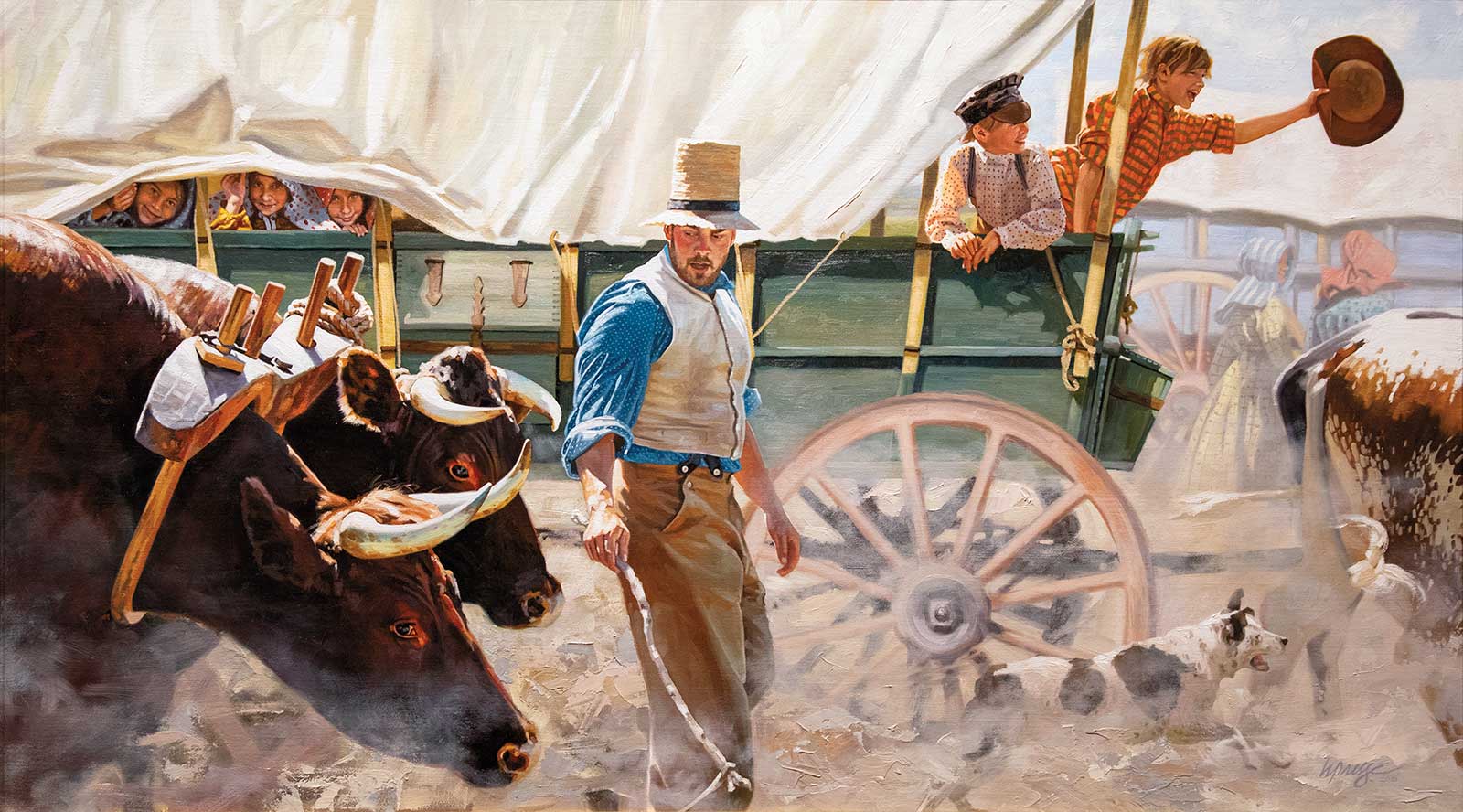
Heide Presse, Westward Ho!, 2016, oil on linen, 24 x 42 in. Booth Western Art Museum permanent collection, Cartersville, GA.
While those contemporary artists may not be traditional in their style, they are traditional in their medium. The Booth’s primary interests are painting and sculpture. Not so at the Eiteljorg Museum of American Indians and Western Art in Indianapolis.
“The vast majority of [our] collection is very traditional oil painting and bronze sculpture, and there’s so much more to art in the West,” says Johanna M. Blume, curator of Western art, history and culture at the Eiteljorg Museum. “[We’re] looking at acquiring new mediums that haven’t been represented, new techniques, new styles so that we can tell a fuller story of the American West which has historically, and is today, a very diverse place.”
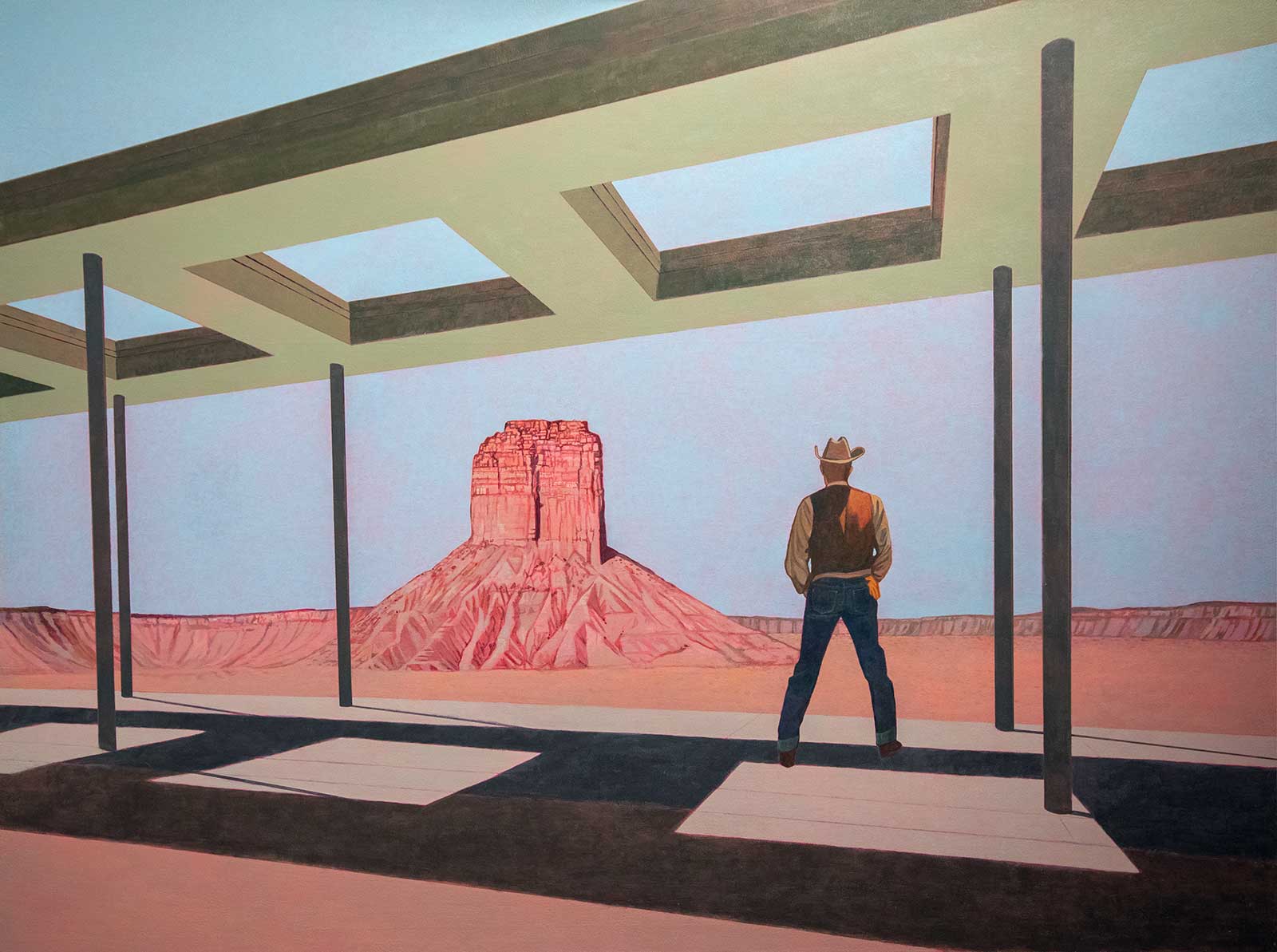
Kevin Chupik, Desert Ratio, 2023, acrylic on cradled birch panel, 36 x 48 in. Booth Western Art Museum permanent collection, Cartersville, GA.
Eiteljorg curatorial staff finalized a major revision to the institution’s collecting plan in 2023. This document guides the museum’s priorities for acquisitions. Topping that list is diversity, ensuring people from all backgrounds can see themselves within the museum and its artworks.
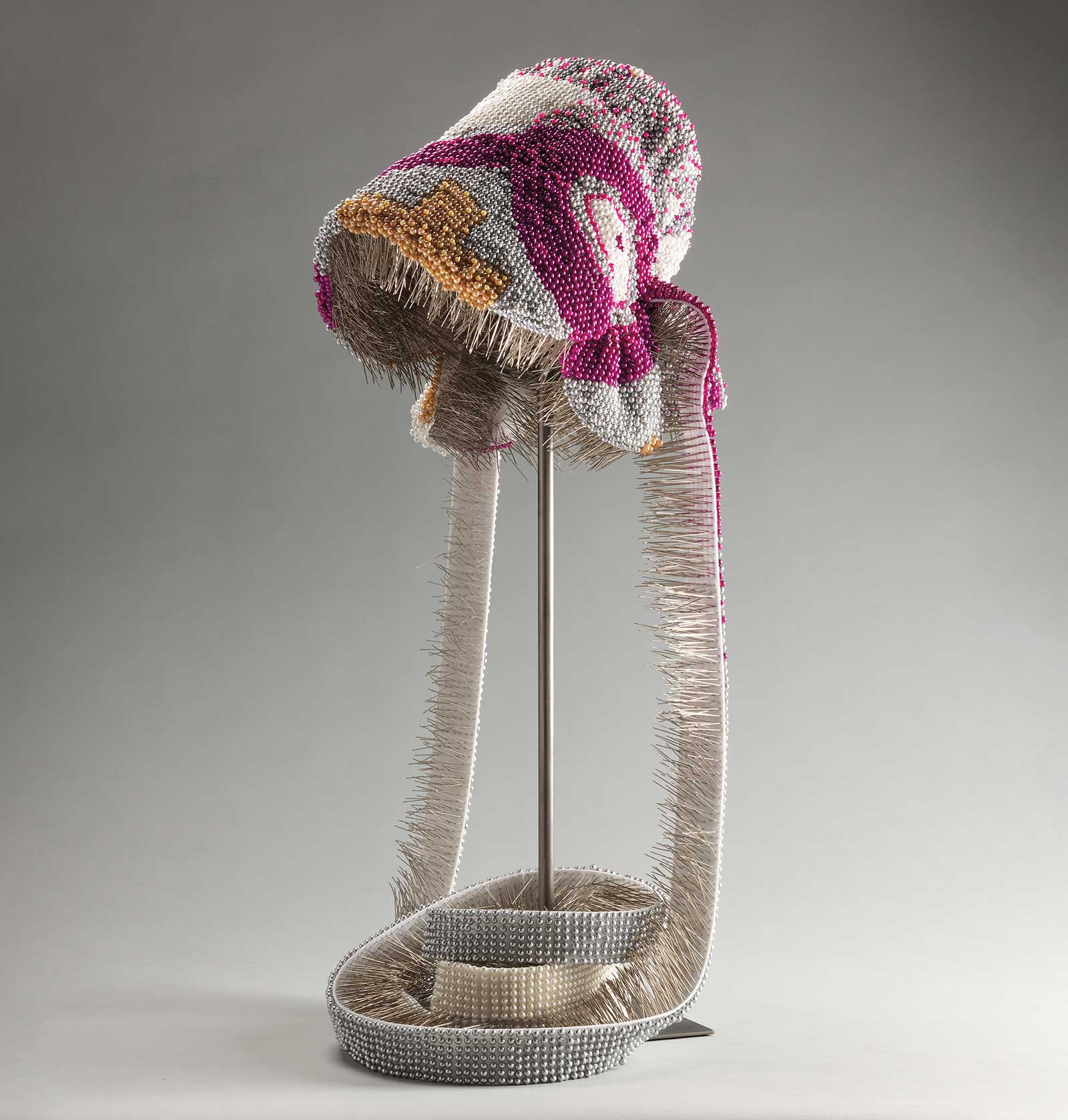
Angela Ellsworth, Chiaroveggente: As Above, So Below (33.487549, -112.073994), 2019, 15,696 pearl corsage pins, colored dress pins and fabric. 2023.1.1. Courtesy Eiteljorg Museum, Indianapolis, IN.
“One of the big things I’m looking for as I pursue new acquisitions is increasing representation of marginalized artists, artists of different racial and ethnic backgrounds; gender diversity is a big part of that, looking for more artists from the LGBTQ+ community,” Blume says. “Those are areas that the [Western] collection was sorely lacking. Until recently, a vast majority of our collection was work by white male artists.”
As part of its diversity emphasis, the Eiteljorg has gone so far as to rephrase how its talking about the artwork, exchanging “Western art” for “art of the West.”
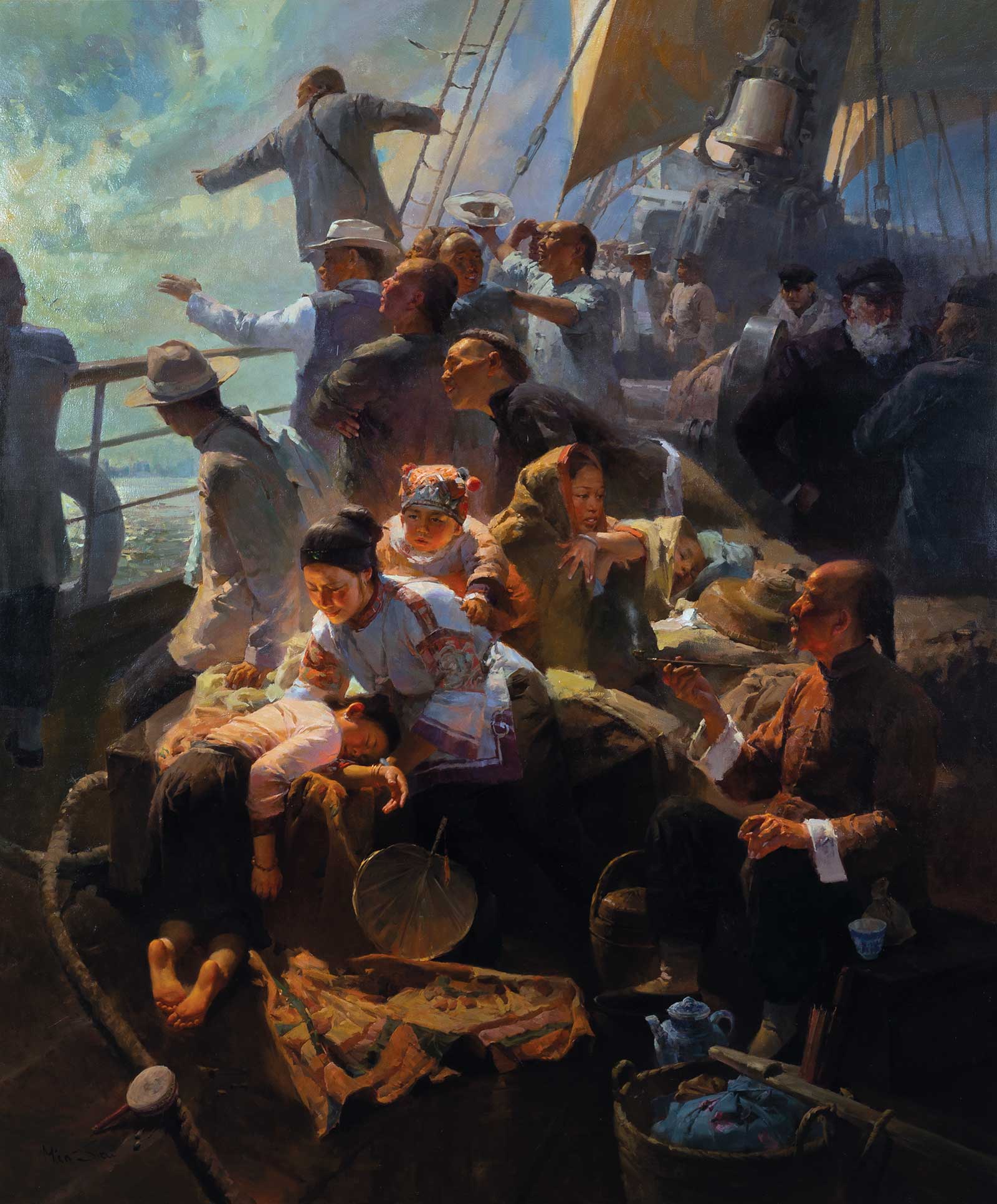
Mian Situ, The Golden Mountain, Arriving San Francisco, 1865, 2003, oil on canvas. Museum purchase with funds provided by the Eiteljorg Museum’s Western Art Society.
The Acquisitions Process
Strategy set, how do acquisitions work?
At the Denver Art Museum, one of the largest museums in the country, the lengthy process winds through numerous layers beginning with internal discussions among each curatorial department multiple times a year.
“It involves an initial review by the chief curator and the director, and if that review is approved, it then goes to our larger process, which entails three different meetings over time,” Henneman explains. “One is an internal meeting of all curatorial and curatorial adjacent staff. The next is a meeting with our collections committee, an external board of community representatives who weigh in on our acquisitions activities, and then, finally, the museum board of trustees has to approve any proposed acquisition.”
Then, they have to actually go out and buy it, if it’s not too late. Sometimes, it is. As an encyclopedic museum with a full 12 areas of collecting focus—Western American art being one—DAM operates under a large bureaucracy. The much smaller Booth does not.
“It’s the chief curator, myself and the chairman of the board. We’ll get together occasionally and all bring things to look at and talk about,” Hopkins says. “Even in between get togethers we’ll email each other and say, ‘Have you seen this person or that person? Or how about this piece?’ We’ll make a decision even if it’s not a specific meeting time—it’s very much ad hoc.”
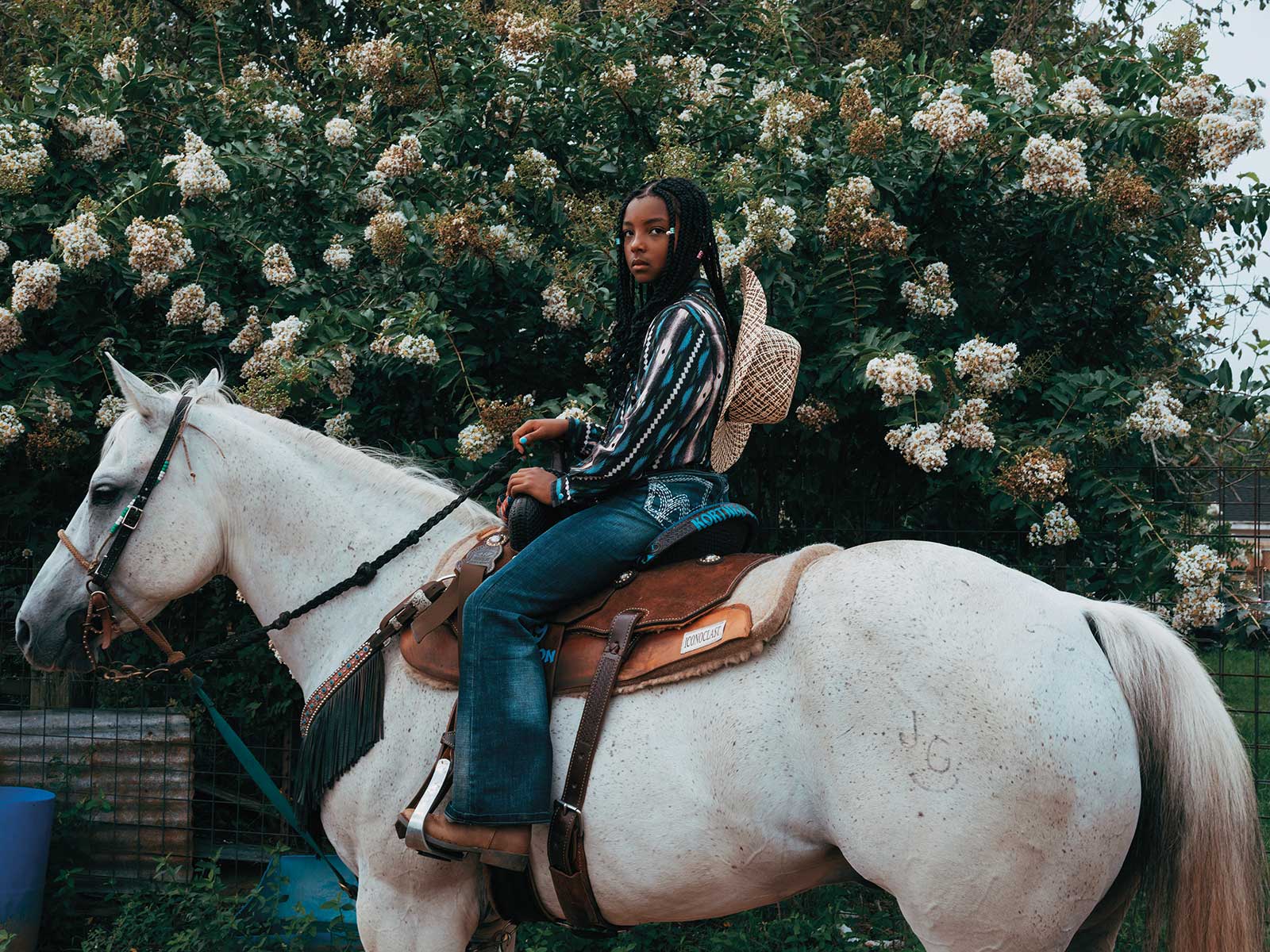
Ivan McClellan, Kortnee Solomon, Hempstead, Texas, 2020, Epson archival pigment inks printed with an Epson P20000 printer on Hahnemuhle Fine Art Baryta Satin archival paper. 2023.17.2. Courtesy Eiteljorg Museum, Indianapolis, IN.
Hopkins adds that as director at the Booth, if he takes a call or email offering a gift of artwork by an artist they’re targeting, he can say “yes” on the spot. That autonomy is out of the question at DAM or the Eiteljorg, where acquisitions similarly navigate multiple layers beginning with an internal acquisitions committee before arriving for a final decision at a board-based collections council.
All three museums do share budgetary flexibility for purchasing artworks. Some years, more money is spent than others. Some years, more monetary donations for acquisitions come in than others. Deaccessioning of unwanted items from the permanent collection can bring in additional funds, money professional standards heavily encourage be spent only on new acquisitions, not general museum maintenance and operations.
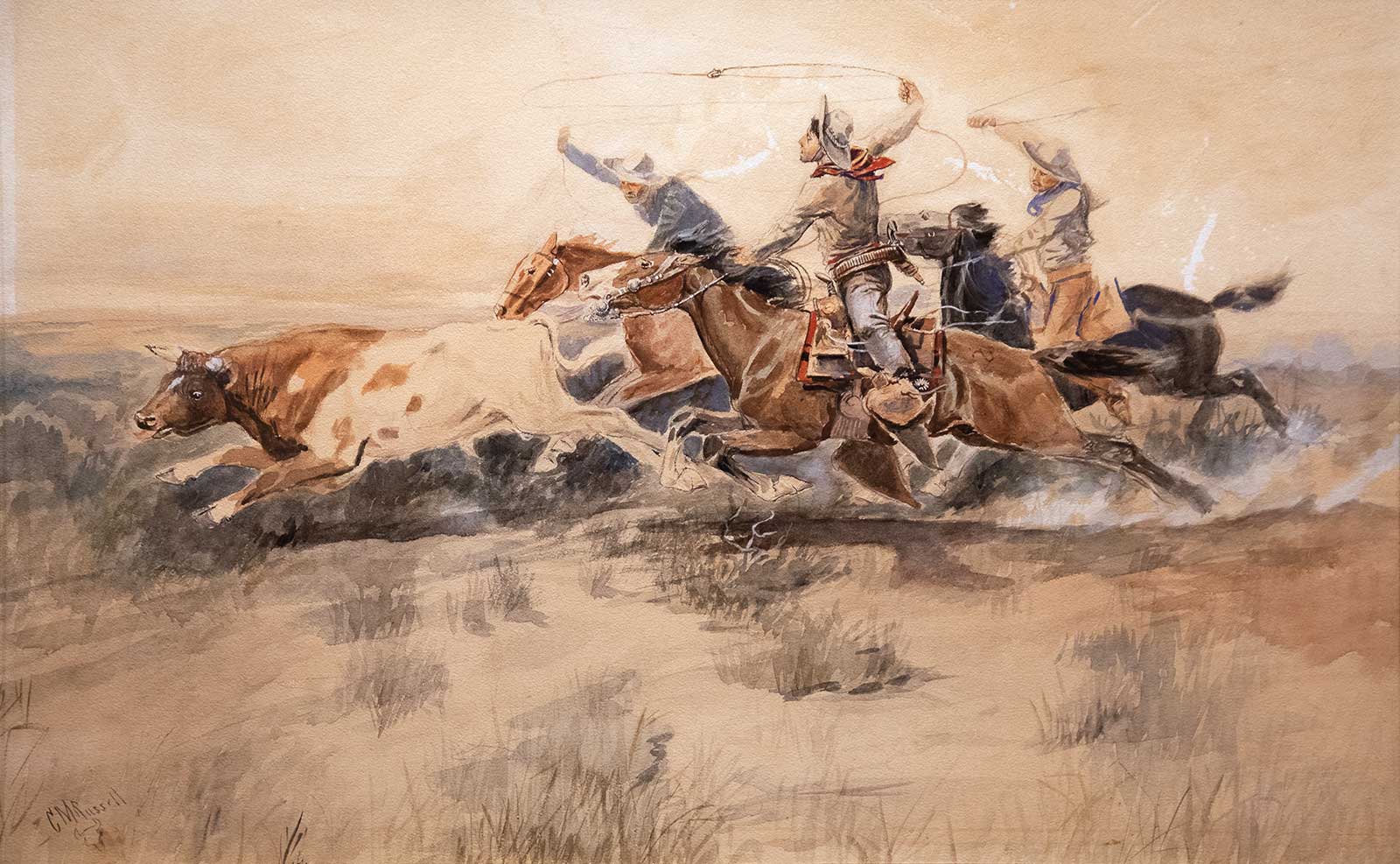
Charles M. Russell (1864-1926), Cowboys from the 7Up Outfit, ca. 1895, watercolor on paper, 20 x 31 in. Booth Western Art Museum permanent collection, Cartersville, GA. Gift of Mr. and Mrs. William T. White.
Should a particular patron be especially motivated in helping a museum acquire an artwork with a special donation, or a museum find a “must-have” piece and lean on donors to come up with additional money, that happens, too.
It’s the same for individual collectors; institutions acquire from auctions, galleries, fairs and direct from artists.
As for potential gifts of artwork, they’re subject to the same rigorous vetting process as purchases.
Museums and the Market
As the ultimate arbiters of taste, museums do influence the market. Each of the museum professionals interviewed for this story acknowledged their institution’s power over price.
“I am very conscious of the power the Denver Art Museum has to impact any given artist’s market,” Henneman says. “We don’t [make acquisitions] to inflate an artist’s market. Our first consideration is not how is it going to impact the market, but that is a consideration I feel very profoundly especially given that much of the artwork I am responsible for is tied to regional markets that are relatively small.”
Museums exist for posterity. Decisions about the artworks to welcome inside are not taken lightly. —
Powered by Froala Editor


