
Although Glenna Goodacre (1939-2020) went on to achieve great success as a sculptor, most notably designing the front of the Sacagawea dollar released in 2000 and the Vietnam Women’s Memorial in Washington, D.C., as a student she was so discouraged to pursue the art form that she might have abandoned the medium altogether.
When she approached Nedra Matteucci Galleries in the late 1960s, it was as an illustrator, but with the encouragement of the former owner she returned to clay, leading to the creation of her first piece, a study of her daughter Jill in a tutu. Today Goodacre’s works can be found in museums, municipalities and important collections around the world.
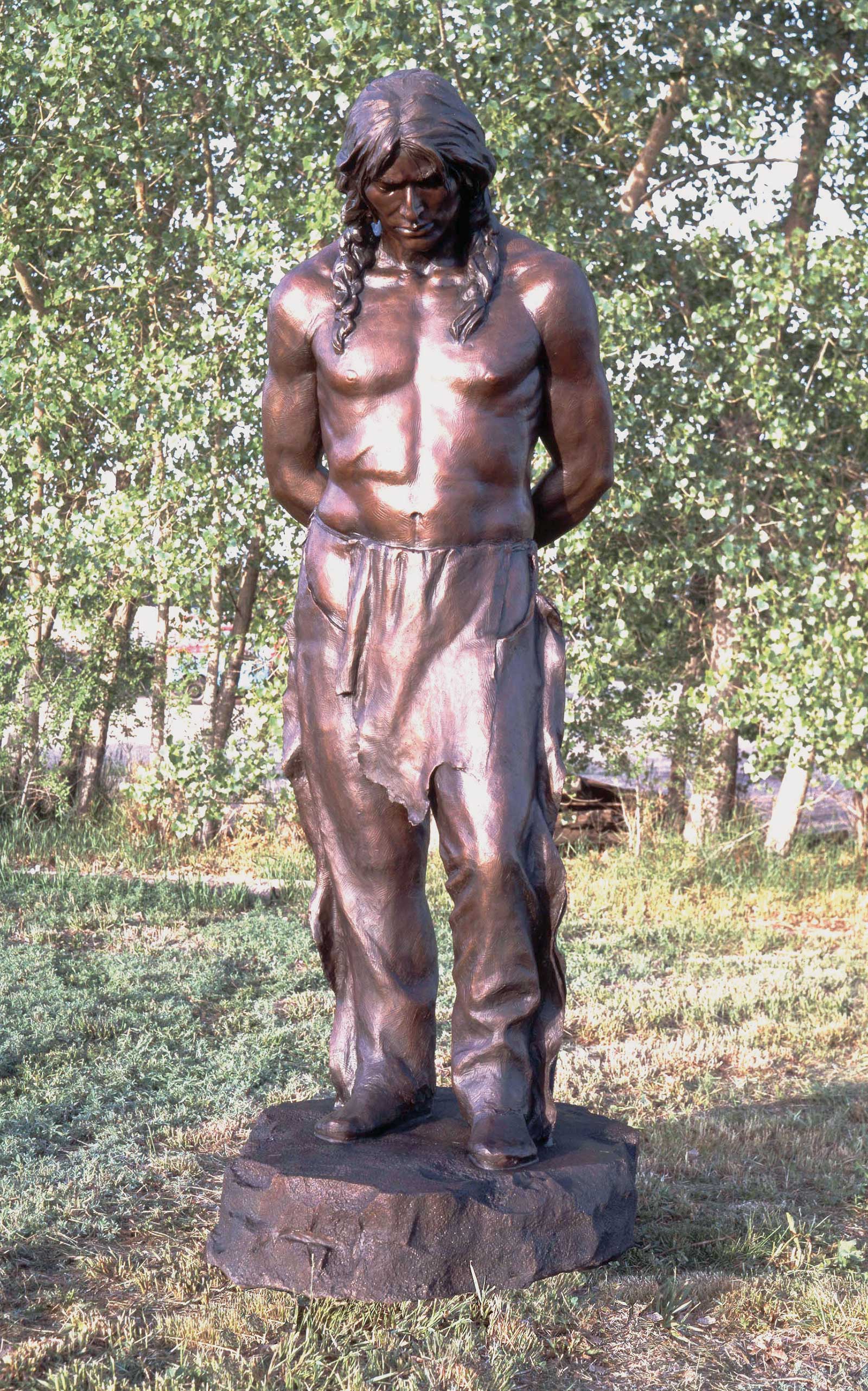
He Is, They Are, 1991, ed. of 15, bronze, 117 x 44 x 38 in.
From July 19 through August 3, collectors will have the rare opportunity to view roughly 25 bronze sculptures in a gallery and garden setting aptly staged at Nedra Matteucci Galleries, where Goodacre’s career skyrocketed so many decades ago.
The exhibition will highlight pieces spanning decades of the artist’s prolific career, including studies and maquettes from her notable national monuments.
One of the many standouts of the show is the 9-foot-tall He is, They Are from 1991. “This monumental bronze is a powerful statement on the dignity and strength of the unconquerable Native American spirit,” says gallery director Dustin Beyleu. Another highlight is Tug of War, a maquette among Goodacre’s most revered depictions of kids at play.
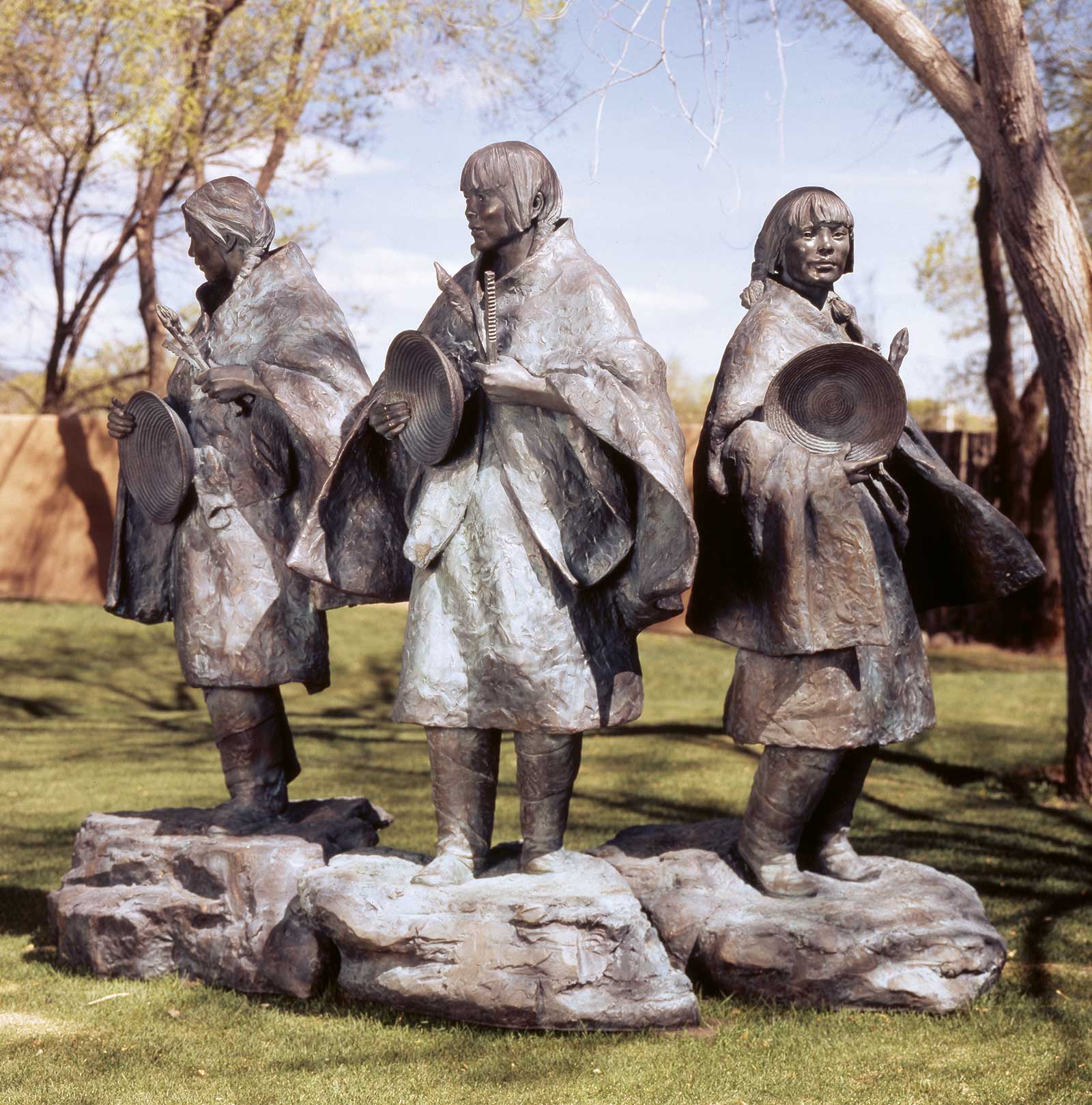
Basket Dance, 1987, ed. of 12, bronze, 77 x 32 x 39 in.
“Glenna had an extraordinary ability to capture the life essence and character of her subjects, and this sets her work apart,” Beyleu continues. “People are just so drawn to her figures and can easily relate to their life experiences to those moments she preserves in bronze. Glenna is able to seamlessly bring that nostalgic quality through her pieces. She is without a doubt among the most renowned and influential artists within the genre.”
Daniel R. Anthony, the artist’s former studio manager and executor of Goodacre’s estate, says that when he went to work for Goodacre in 1987, they applied for every public commission they could find and ended up securing a lot of them. Anthony says that with their aggressive marketing approach, they were known as the “Deadly Duo” well into the 1990s.
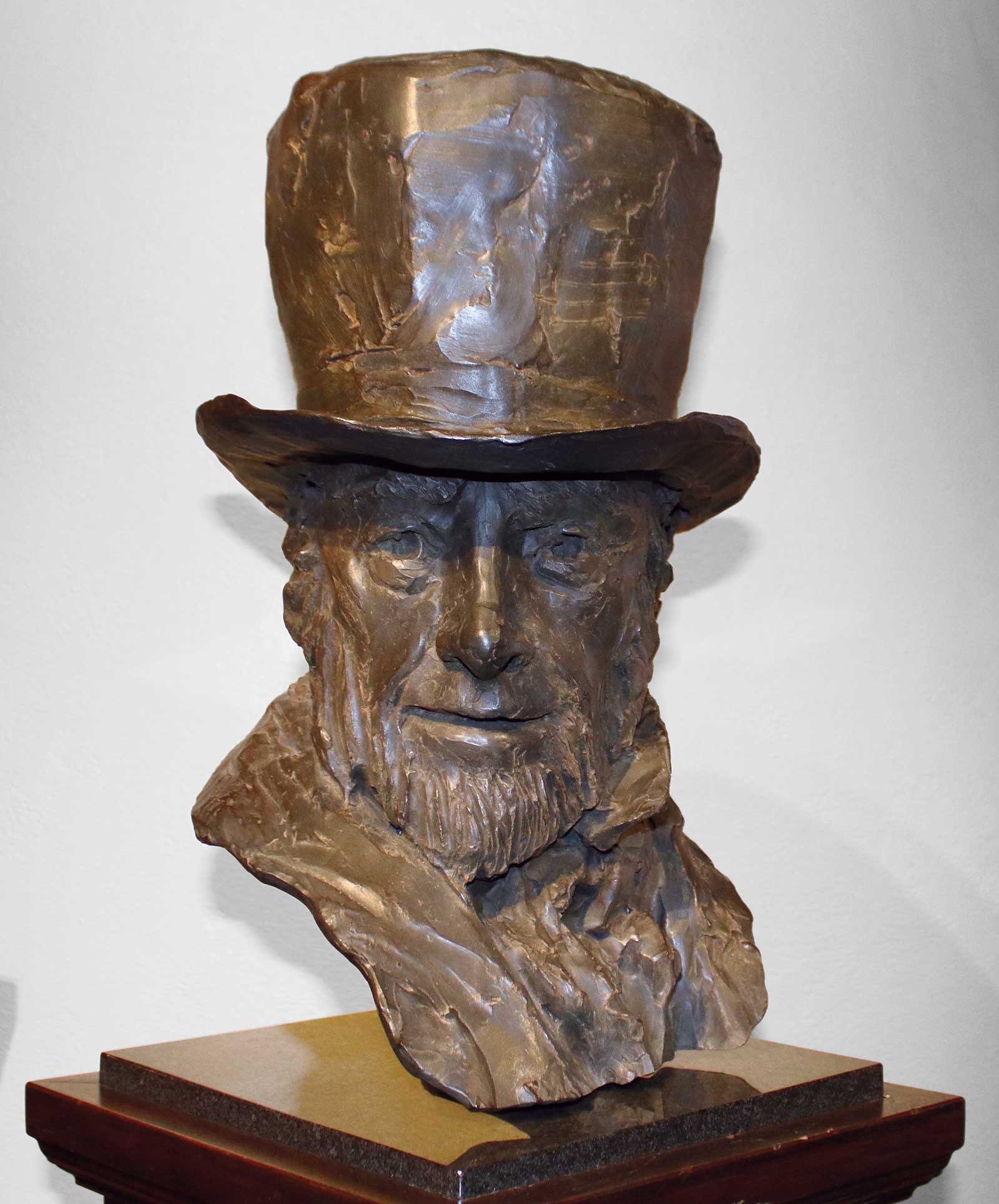
John Lawless, 2002, ed. of 25, bronze, 17¼ x 12 x 12 in.
Anthony notes the unique nature of the show, in that except for one retrospective in 1995, Goodacre always exhibited brand new work, and that it’s taking place at the gallery that has shown her sculptures for 51 years.
“Glenna filled an empty niche in the history of the development of Southwestern art,” says Anthony of the artist’s significance. “If you look at the period of the Taos Founders and Cinco Pintores, there were no women and no sculpture. Glenna began creating Southwestern subjects in the early ’70s when collectors had a houseful of paintings but no pueblo sculpture at all.”
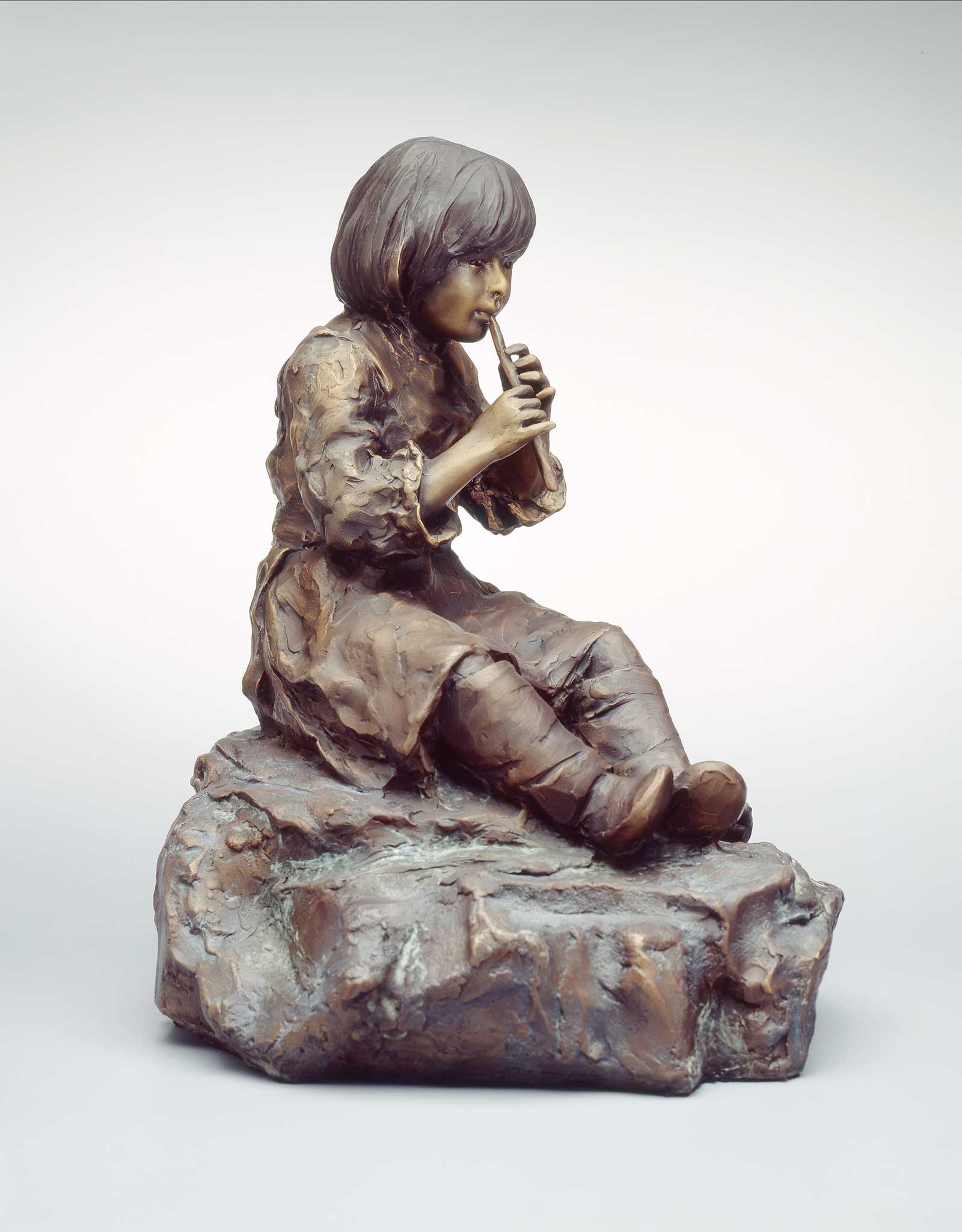
Sacred Song, 2006, ed. of 50, bronze, 14¾ x 12¾ x 11 in.
In addition to Native American and Western subject matter, Goodacre was a prolific creator of works with mother and child themes. “Someday I’ll count them and do a show of just those,” says Anthony. “Right up to her design for the Sacagawea dollar, mother and child—classic Goodacre.”
Anthony will participate in a Q&A session at Nedra Matteucci Galleries on July 27 in Santa Fe. —
Nedra Matteucci Galleries 1075 Paseo de Peralta » Santa Fe, NM 87501 » (505) 982-4631 » www.matteucci.com
Powered by Froala Editor


